  1. Home
  2. Computing
  3. News

Google just gave up on its proposed makeover of the internet

Add as a preferred source on Google
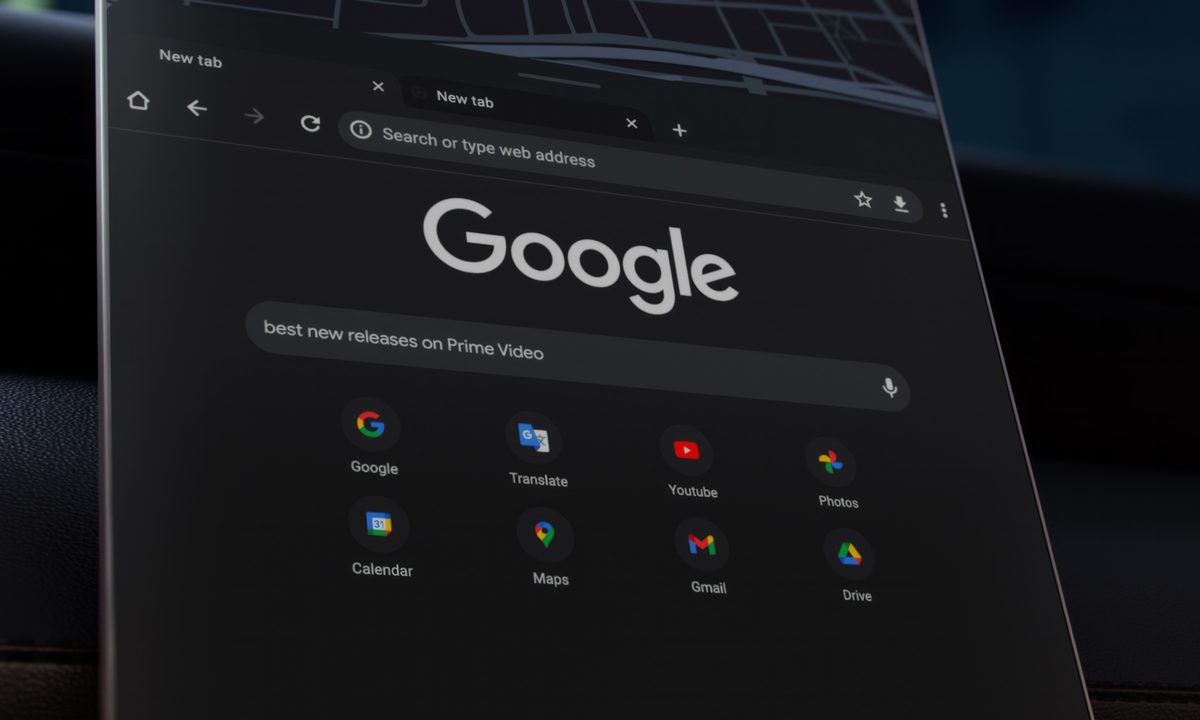
Google Chrome browser running on Android Automotive in a car.
Google

Google announced on Monday that it will pull the brakes on phasing out the use of third-party cookies on its Chrome browser because of concerns from regulators, competitors, and privacy advocates, the tech giant said in a Privacy Sandbox post. Instead, Google will be going in a different direction that will let users choose how they interact with third-party cookies.

Blocking third-party cookies would have presented a hurdle for remarketing, which lets companies serve you ads based on your previous activity around the web.

Recommended Videos

Google’s Privacy Sandbox VP Anthony Chavez mentions that they will be “proposing an updated approach that elevates user choice. Instead of deprecating third-party cookies, we would introduce a new experience in Chrome that lets people make an informed choice that applies across their web browsing, and they’d be able to adjust that choice at any time. We’re discussing this new path with regulators, and will engage with the industry as we roll this out.”

Google claims that it’ll add anti-IP tracking protection and continue to make Privacy Sandbox APIs available. The post also said that the project needs significant work by various participants and would have a massive impact on the online advertising market in general. Unfortunately, it looks like Chrome won’t be joining Firefox and Safari in removing third-party cookies by default despite recognizing the need to do so. The original announcement came in 2020, when Google stated that it would block third-party cookies by default starting in 2024. There was even a test run completed in January of 2024 where 1% of Chrome users had third-party cookies blocked by default.

The about-face behavior may have to do with the UK’s Competition and Markets Authority’s concerns that the Google project would favor its own business over the competition. Moreover, the issues with the remarketing attempt are another possible reason for the change of mind since it revealed a performance drop when using these follow-up ads.

Judy Sanhz
Computing Writer
Judy Sanhz is a Digital Trends computing writer covering all computing news. Loves all operating systems and devices.
Google wants your app code so badly, it’s willing to pay for it
Google is paying for app code, and the reason is exactly what you think.
Google Logo

Google has been quietly reaching out to Android developers with an offer to buy access to their code. As reported by 404 Media, the company sent emails to a select group of Google Play developers, inviting them to join what it calls a "confidential content offer pilot." 

The email frames it as a revenue opportunity, saying developers can "get paid for sharing the code powering your apps, as well as your archived projects." Google adds that developers retain their intellectual property rights and that the license is non-exclusive.

Read more
Nvidia confirms more RTX Spark processors are coming with N2X and N3 series lined up
Huang confirming a multi-generation roadmap before the first device has even shipped is the clearest signal yet that this is a decade-long commitment.
nvidia-rtx-spark

The PC and laptop industry has run on Intel and AMD silicon so long that most people don’t even question whether these are the only options. 

Nvidia just answered that question at Computex 2026, in the form of the RTX Spark superchip, and Jensen Huang’s comments about what comes next suggest that it wasn’t a one-time experiment. 

Read more
AI fitness coach senses the muscle mechanics as you exercise and prevents rookie injuries
Most fitness apps offer encouragement dressed up as coaching, but BioCoach offers anatomy-specific corrections, and I could see it becoming a smartphone app real soon.
Woman exercises with her Apple Watch and Dexcom G7.

During the pandemic, the US Consumer Product Safety Commission recorded a 48% spike in at-home exercise injuries. You might think that the culprit was bad equipment, but it was bad form. People had no coach around to correct it.  

Researchers at Drexel University and Michigan State University have built a prototype that addresses exactly that problem, in real time, using your phone camera, and there’s real potential for it to become a legitimate fitness app in future (via Tech Xplore).

Read more