
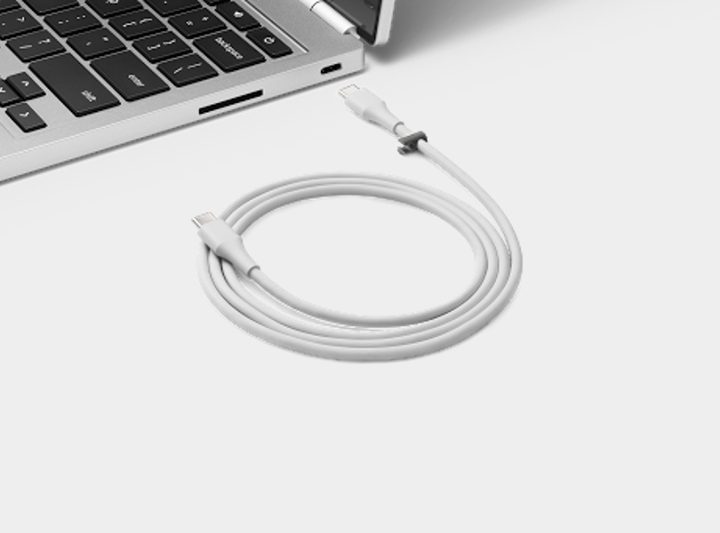
The USB standard has come a bit far over the past few years, with many different generations and types to consider. Though speed differences are cited as the factors between each of the standards, it has become somewhat hard for some consumers to understand.
In the latest headache, the USB Implementers Forum recently announced a next-generation USB-3.2 specification, promising fast-transfer speeds of up to 20GB per second, but also bringing some confusing name changes to previous standards.
Though the changes aren’t necessarily straightforward, the new USB-3.2 specification introduces a three-speed tier. The previous USB 3.0-and USB-3.1 specifications are now gone but are still keeping the same exact transfer speeds under different naming.
The first tier— known as USB-3.2 Gen 1— (previously called USB 3.0,) is now upgraded in branding to SuperSpeed USB to indicate data transfer rates of up to 5GBps. A second tier— USB 3.2 Gen 2—(formerly known as USB 3.1,) gets the bump in naming to SuperSpeed USB 10 Gbps. The final and the newest tier— now known as USB 3.2 Gen 2×2— will be branded as SuperSpeed USB 20Gbps.
That newest tier doubles the maximum overall speed, by allowing for two lanes of 10GBps data speed over the previous generation. It also makes it so that manufacturers will be able to state that their devices will support USB-3.2. However, for users, there still needs to be a direct way of knowing which speeds they will be getting. As a workaround, it is being recommended for manufacturers to stick to the SuperSpeed branding when marketing new USB-3.2 products.
“When referring to a product that is based on and compliant with the USB-3.2 specification, it is critical for manufacturers to clearly identify the performance capabilities of that device separately from other product benefits and/or physical characteristics,” said the USB Implementors forum.
Still, these new specifications are all backward compatible with each other, so despite the inherent confusion, older devices will still work in any new laptop with USB-3.2. It is also being recommended for manufacturers to submit their products to the USB Implementors forum so that proper logos for better consumer recommendation. Combined with the frustrations of already having to deal with dongles when buying the latest laptops, this is an unwelcome development for consumers.


