
DDR5 is finally out in the wild, but those trying to hop on the DDR5 train early have run into high prices and low supplies. TrendForce released their analysis of the current RAM market for glimmers of hope on the state of DDR5 — but their news was only lukewarm.
It seems that while overall DDR5 pricing could fall, the average selling price probably won’t budge.
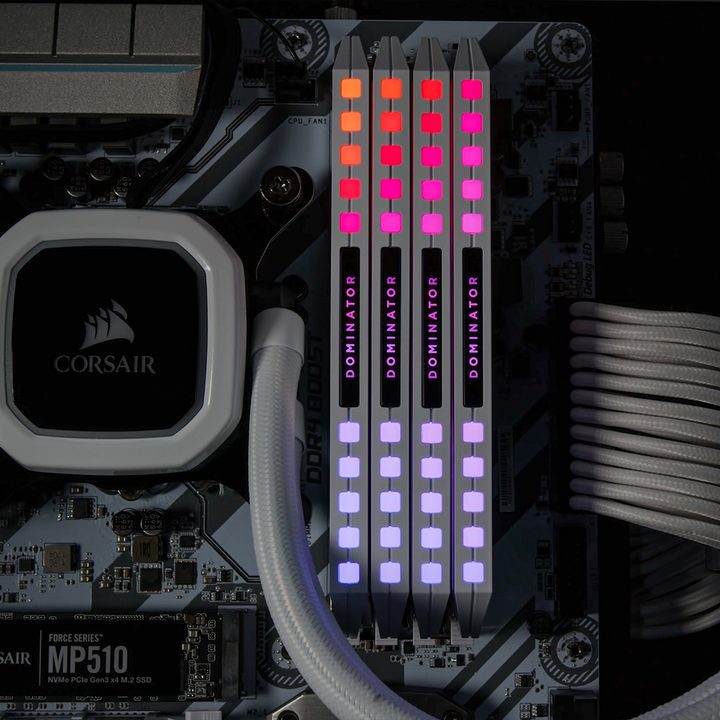
TrendForce notes that PC OEMs are trying to manage their inventories to ensure proper balance between laptop and desktop sales. However, though demand for laptops remains high, TrendForce still predicts a cyclical overall drop in price for DRAM prices. DDR4 is predicted to fall around 5 to 10%, while DDR5 is only about 3 to 8%. One would think that would translate to lower prices for consumers as well, but that’s not the case.
The primary reason PC builders will still pay a higher average sale price (ASP) is due to the “low penetration rate” of DDR5 at the moment. Intel’s Alder Lake processors are still relatively new, so there isn’t yet a gluttony of choices for DDR5 capable motherboards. Additionally, many PC builders will still choose DDR4, especially considering it still offers a valid value proposition.
It’s not just the recent release of Alder Lake to blame. AMD still hasn’t released their Zen 4 line-up, which could help spur adoption of DDR5 memory. That also depends on suppliers being able to produce DDR5 modules, a process which is still affected by the current chip shortage. The abundance of DDR5 modules combined with the newer processors from AMD and Intel spurring adoption could help prices fall due to economies of scale.
Still, it seems that OEMs are trying to ensure allocate supplies because of the overall price drops. TrendForce stated that some OEMs have begun reallocating some production from mobile DRAM to desktop PC DRAM due to prices falling for mobile DRAM. Hopefully, that means more supply for consumers in the long run.
It’s not just consumer DRAM prices being affected. TrendForce also notes that prices may grow for the server market due to increased demand. As cloud computing and hybrid remote work take precedence, the need for server DRAM in data centers has risen.
Finally, in the graphics DRAM market, there has been a gradual shift by manufacturers from 8GB to 16GB modules. Micron has been leading that shift due to higher demand for 8GB in mainstream graphics cards.
The Nvidia RTX 3060 Ti, RTX 3070, RTX 3070 Ti, AMD Radeon RX 5700, and 5700 XT all have 8GB of VRAM. This has subsequently led to increased prices for 8GB modules on graphics cards.


