
MediaTek has announced that it’s already planning the unveiling of Wi-Fi 7, and it’s coming soon.
Wi-Fi 6 — also known as 802.11ax — routers are only starting to trickle into homes today, and the even newer Wi-Fi 6E access points are barely hitting the market. Still, MediaTek is starting to prepare for the launch of Wi-Fi 7.
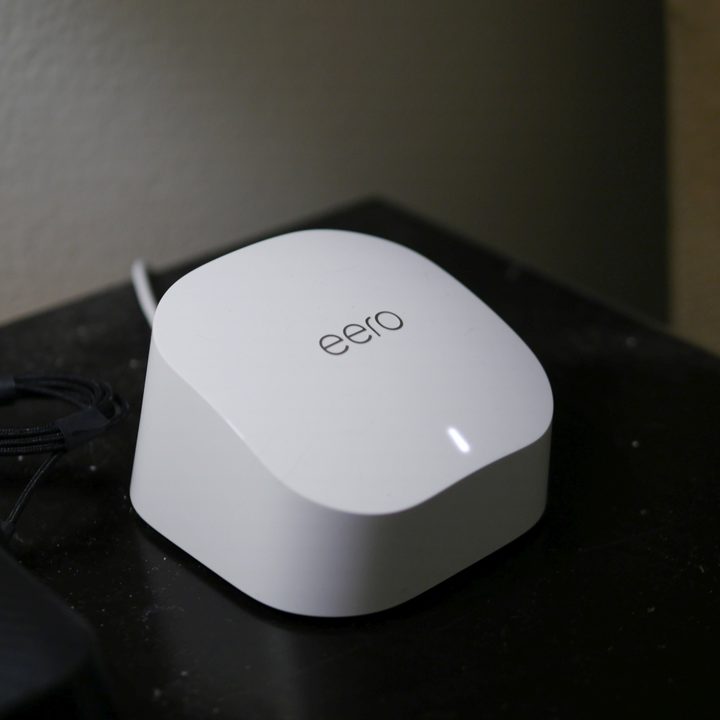
The company announced that it will begin demoing Wi-Fi 7 at the Consumer Electronics Show in early January. The exciting technology standard promises even faster speeds than Wi-Fi 6 and Wi-Fi 5.
Wi-Fi 7 will also be known as 802.11be, and MediaTek stated that the technology is expected to bring 2.4x the speeds and lower latency than its predecessor, according to company documents that were published on PCMag.
When Wi-Fi 6 launched, it was panned as the biggest upgrade to Wi-Fi in a decade. The technology standard, which also underpins the newer Wi-Fi 6E, promised faster speeds, reduced congestion, offered lower latency, and had better security. The standard supported speeds close to 10Gbps speeds, provided that your broadband connection can handle that.
Netgear, for example, claimed that its Wi-Fi 6-powered Orbi mesh networking unit delivers five times faster speeds than the previous 802.11ac Wi-Fi 5 standard. Using Netgear’s calculations, a Wi-Fi 7 router should be capable of 12 times the speed of Wi-Fi 5 by extension.
Though the faster speeds, increased bandwidth, and lower latency may be appealing to homes that stream a lot of 4K video or play action-packed PC or console games, the protocol could come at a hefty cost. Mesh networks that support Wi-Fi 6 are already pricey, and Wi-Fi 6E modems command an even higher premium. Netgear’s Wi-Fi 6E whole-home Orbi mesh network costs $1,500, for reference.
In contrast, the Wi-Fi 5-equipped routers like the Vilo mesh system start at $20 for a single router and $60 for a whole-home network. Wi-Fi 7 routers, mesh networks, and access points could be even more costly to adopt, and most homes in the U.S. will likely not be able to take full advantage of the speeds that the protocol is capable of delivering.
According to Ookla, the company behind the popular Speediest.net app that measures the speed of your Internet connection, the average American home gets speeds slightly faster than 200Mbps on average for the year, with the sample ending in October 2021. Wi-Fi 7, on the other hand, can reach theoretical speeds up to 30Gbps.
Though an early preview of the next generation of Wi-Fi may happen in early 2022, the technology could still take years to reach home routers, PCs, tablets, smartphones, and other connected devices. According to IEEE, the governing body for Wi-Fi standards, the 802.11be amendment will be published in 2024 with commercial deployment occurring shortly after.


