  1. Home
  2. Computing
  3. Social Media
  4. News

X finally lets you block Grok AI from modifying your photos, but the fix falls short

New Grok toggle prevents tagging requests for AI image edits, but it has major loopholes.

Add as a preferred source on Google
grok-imagine-text-to-ai-video-feature
DogeDesigner on X

X has added a new option that appears to let users block Grok from editing photos they share on the platform. The control, introduced in the X app, is labeled “block modifications by Grok” and is meant to give people more control over unwanted edits of their images.

The feature was first reported by Social Media Today and has been verified by Digital Trends. On the surface, it looks like a privacy-friendly move to prevent unwanted AI edits. However, testing by the The Verge reveals that the protection is more limited than the name suggests.

Why the Grok modification block feature falls short
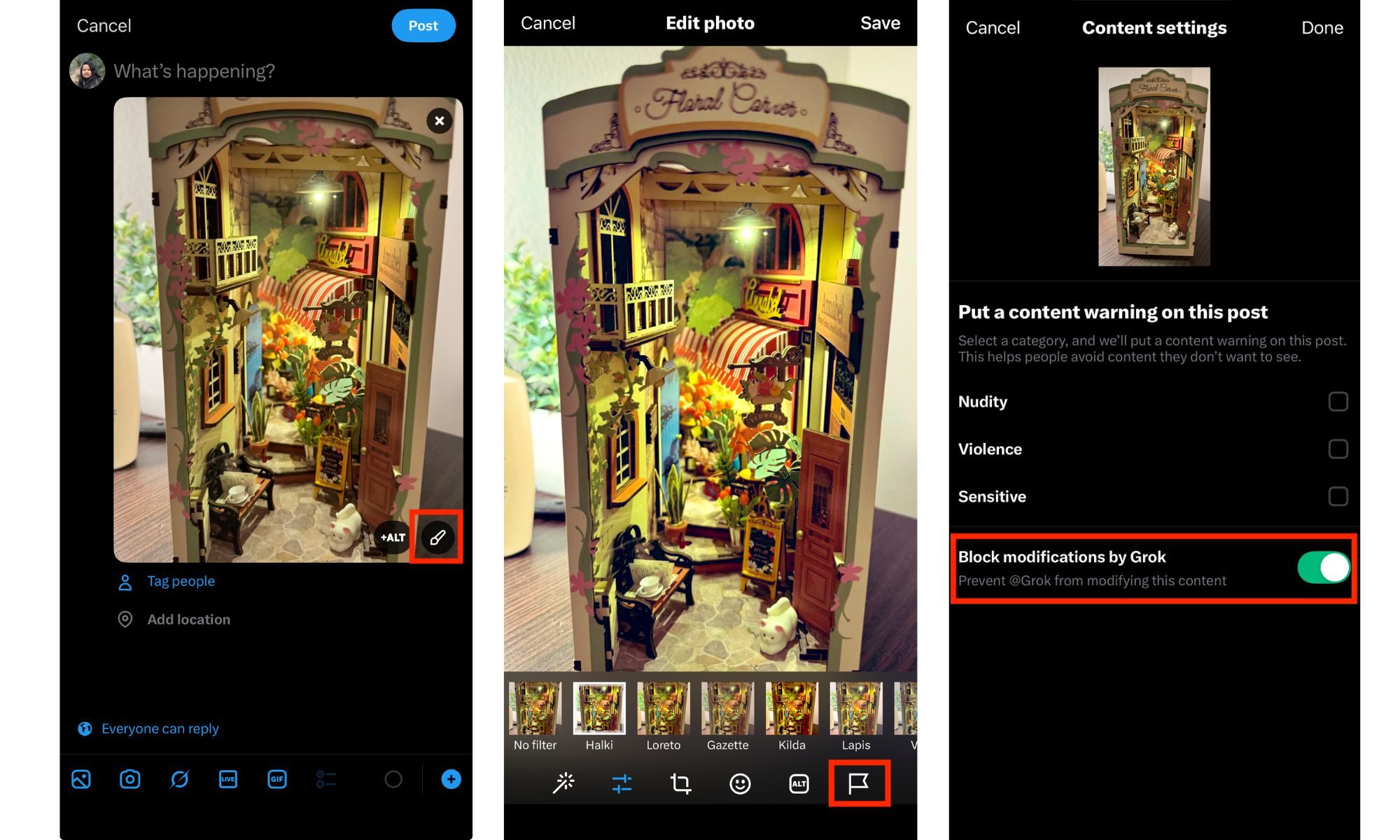
The setting can be found in the image editing tools while uploading a photo. You can tap the paintbrush icon and open additional options where the toggle appears as shown in the image.

Recommended Videos

Once enabled, the feature is supposed to stop Grok from modifying the image. But it only blocks one specific way Grok can interact with an image.

When it is turned on, other users cannot tag @Grok in replies to the photo and ask the AI to edit it. However, the protection stops there.
The small text in the setting indicates that the toggle only prevents Grok from modifying the content through direct tagging. It does not stop the chatbot from editing the image if someone uses another method.

For example, anyone can still download or screenshot a photo and upload it again. Once the image exists as a new post or file, Grok can be asked to modify it without restrictions.

While the toggle shuts down one way to edit your photo, plenty of other doors are still wide open for AI manipulation. So the protection is not as solid as it sounds.

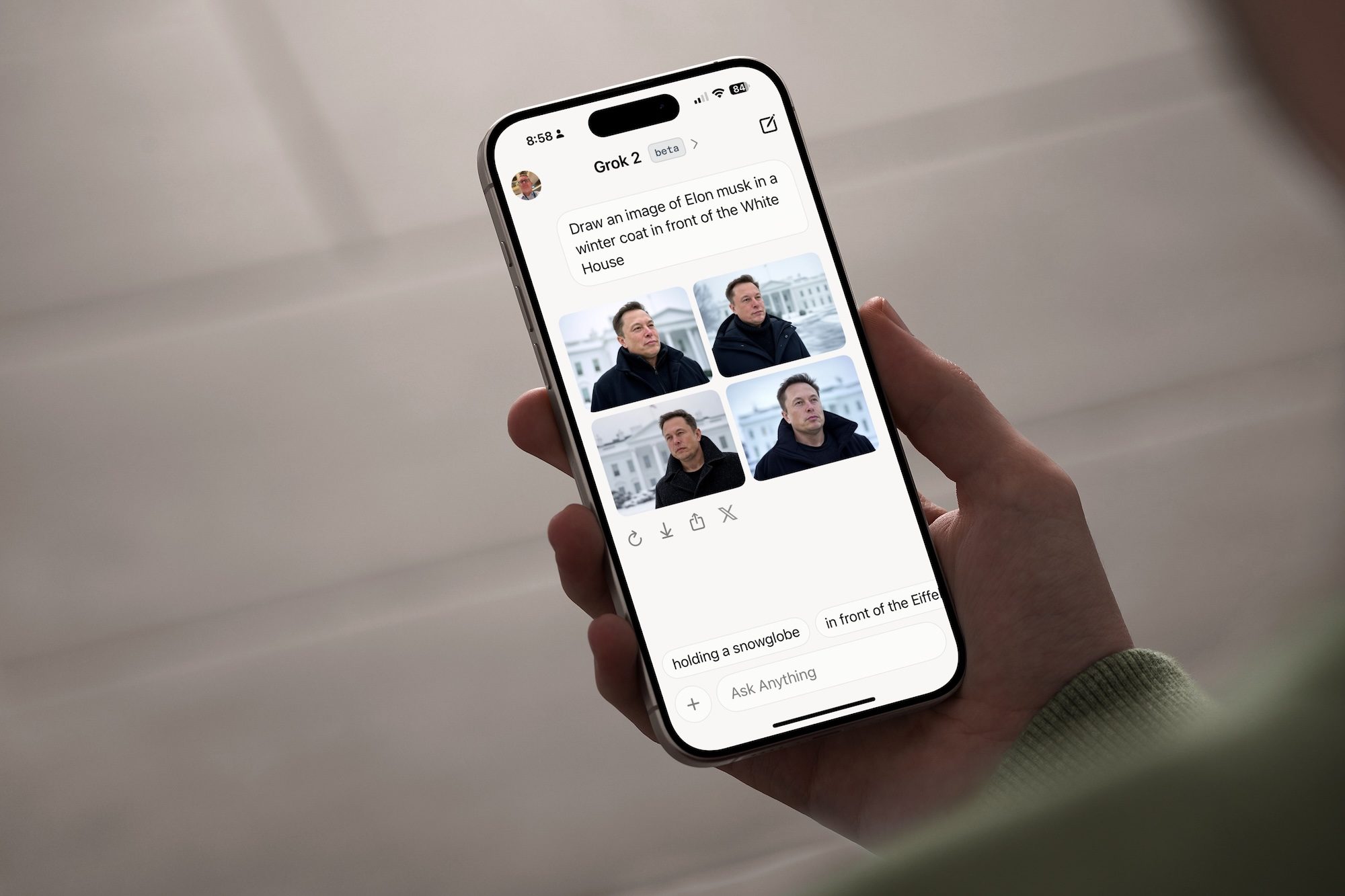
Recently, X put Grok’s image editing tools behind a paywall after backlash over non-consensual sexualized images.

Now it has introduced this edit-block toggle, but simple switches like this do little to stop AI edits once images are shared online.

Manisha Priyadarshini
Manisha Priyadarshini is a tech and entertainment writer with over nine years of editorial experience.
Android apps can now track your habits and whereabouts to offer task suggestions
Contextual Suggestions is Android acting on what it already knows, and the fact that most users will never find the off switch is exactly why you should pay attention.
Google Pixel 10a in the hands of a person.

Google just flipped a switch on Android phones, and you probably didn’t notice. A feature called Contextual Suggestions is currently rolling out to Android devices, enabled by default. 

It does what the name implies: watching what you do, learning your habits, and using the information to provide you with contextual suggestions or actions that you might perform next (via compatible apps). 

Read more
Google could be prepping a powerful new Gemini AI model to outsmart ChatGPT
Google is expected to unveil a stronger Gemini model as AI rivals pull ahead in coding and agents
Google IO 2025 logo on the surface of the earth

Google could announce a new Gemini AI model at I/O on May 19, and the timing is aggressive. A report says the release is expected to land near OpenAI’s GPT-5.5 class, while still trailing Anthropic’s Mythos, the model now shaping the industry’s frontier-model conversation.

For Google, the awkward part isn’t raw talent. A strong model can grab headlines, but developers don’t rebuild workflows for a leaderboard. They switch when a tool saves time, reduces cleanup, and survives real projects without becoming another tab to manage.

Read more
Tarot card readers are using ChatGPT for divinations, I am utterly surprised at this AI pivot
ChatGPT is helping interpret cards, but its confident answers could flatten the ambiguity tarot depends on
Book, Comics, Publication

AI has already moved into some of the most emotionally fragile parts of life, from eulogies to dead-person chatbots that promise one more exchange with someone who’s gone. Now the same technology is being pulled into tarot card readings.

A 2026 study examined how tarot practitioners use AI when reading cards for themselves, and the shift lands far outside the usual productivity script. Tarot card readers are bringing ChatGPT into questions that are personal, symbolic, and often unresolved.

Read more