

ASUS is preparing to significantly increase the prices of its PCs, with new reports suggesting that the hikes could be steeper than initially expected. The move comes amid growing pressure across the global hardware industry, driven by rising component costs and ongoing supply constraints.
Price Hikes Could Reach Up To 30%
According to this report, ASUS is planning to raise PC prices by 25% to 30% starting in the second quarter of 2026, making it one of the most aggressive pricing shifts seen in recent years.
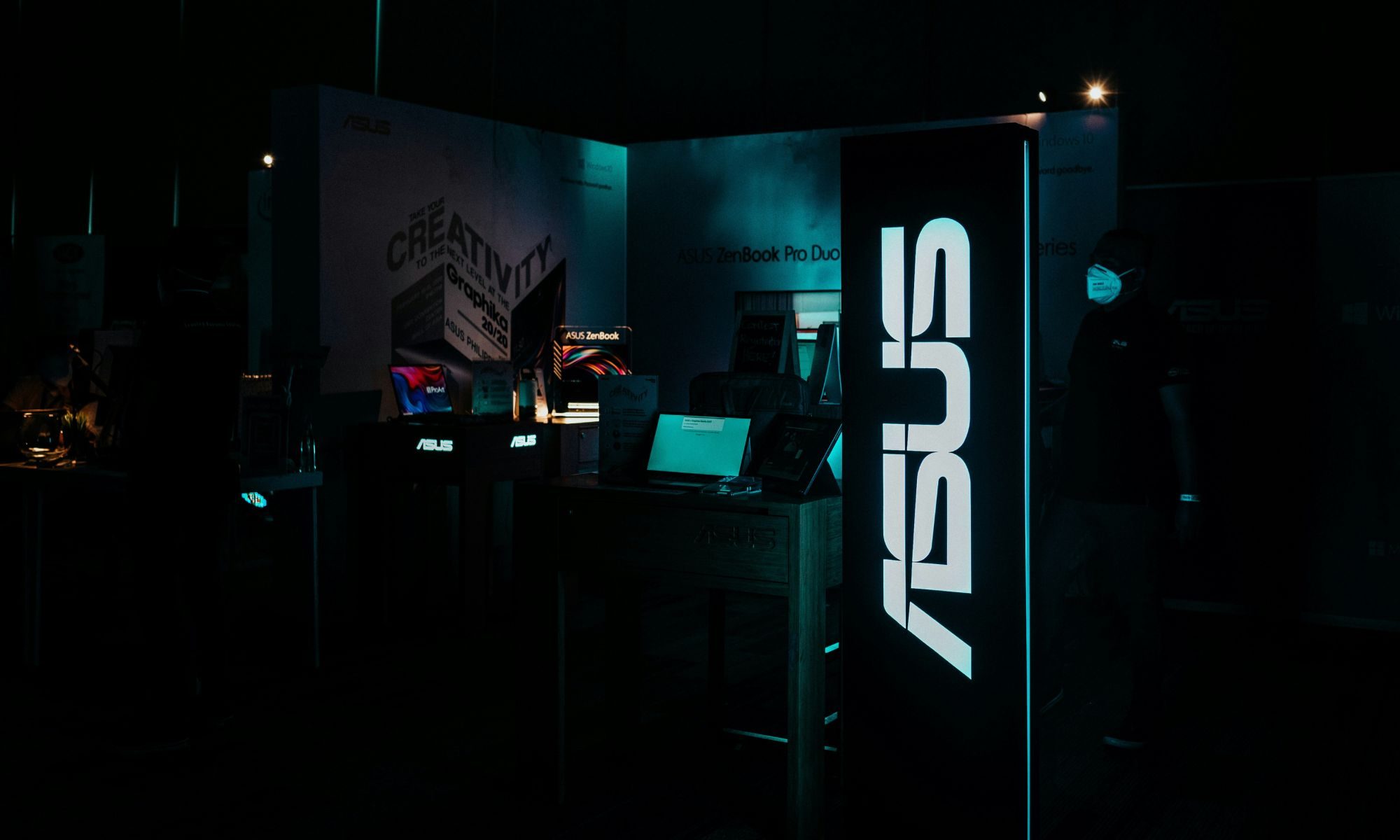
The announcement was made by a senior ASUS executive during a recent product event, where the company highlighted the increasing difficulty of maintaining margins under current market conditions. While the initial adjustments are expected to affect Taiwan first, industry analysts believe the impact could extend globally over time.
Supply Chain Pressure Driving Costs Higher
The primary factor behind the price increases is a sharp rise in component costs – particularly memory. Reports indicate that the price of a standard 32GB RAM module has surged dramatically, reflecting a broader shortage in the global DRAM market.
In addition to memory, ASUS is also facing rising costs for SSDs, CPUs, and GPUs, all of which are critical components in modern PCs. These shortages have made it increasingly difficult for manufacturers to secure sufficient supply without paying significantly higher prices.
The situation is further complicated by shifting industry priorities. Much of the available memory supply is now being directed toward AI data centers, which are consuming vast amounts of high-performance components, leaving less available for consumer electronics.
Why This Matters For The PC Market
ASUS’s move reflects a broader trend across the PC industry, where manufacturers are being forced to pass rising costs on to consumers. Other major brands, including Acer, Dell, and Lenovo, are also expected to follow with similar price adjustments.
This could have significant implications for the market. Analysts warn that budget PCs may become harder to find, as rising production costs make low-margin products less viable. At the same time, the price increases could slow down consumer demand, particularly among buyers looking for affordable upgrades.
What It Means For Buyers
For consumers, the timing of this announcement is critical. With price hikes expected to roll out in the coming months, experts suggest that now may be the best time to buy a new PC before costs rise further.
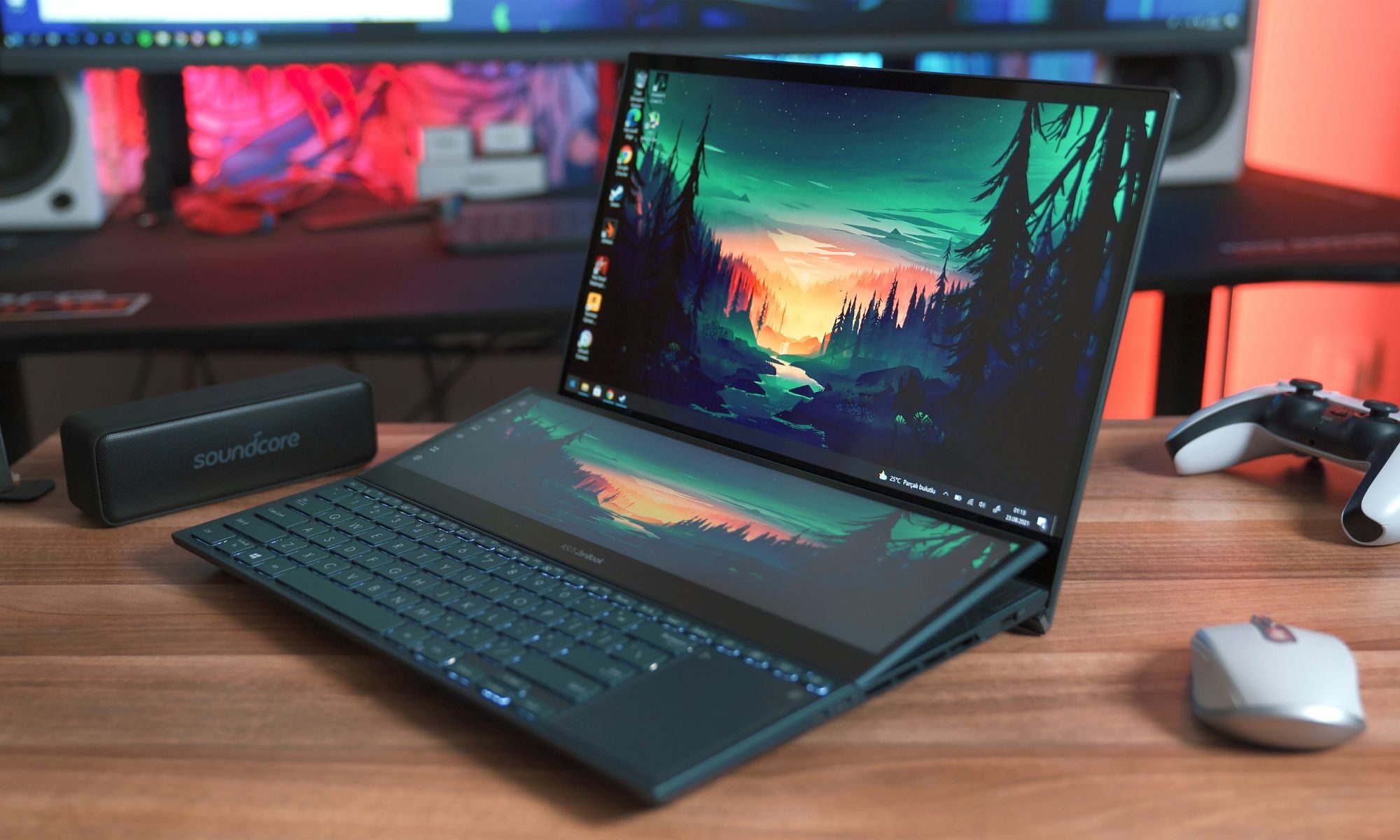
Once existing inventory – built using older, cheaper components – is sold out, newer stock is likely to reflect the higher production costs, leading to noticeable price increases across laptops and desktops.
The impact may be especially pronounced in gaming and high-performance systems, where component costs play a larger role in overall pricing.
What Comes Next
Looking ahead, the situation may not improve quickly. Industry experts believe that memory shortages and supply constraints could persist into late 2026 or beyond, as it takes years to expand semiconductor production capacity. In the meantime, PC makers are expected to explore alternative strategies, including prioritizing premium devices, adjusting configurations, or diversifying into other markets such as AI infrastructure.
For consumers, this signals a shift in the PC landscape – one where affordability may take a back seat to performance and availability. As ASUS moves forward with its pricing strategy, one thing is becoming clear: the era of relatively stable PC prices may be coming to an end, at least for the foreseeable future.


