
  1. Home
  2. Computing
  3. News

Your Windows 10 PC just got an extra year of security updates, here’s how to get it for free

Free Windows 10 security updates now run through 2027, with three easy enrollment options.

Add as a preferred source on Google
Windows 10
Bill Roberson/Digital Trends

If you are still running Windows 10, Microsoft just handed you some breathing room. The company has quietly extended its free Extended Security Updates program for consumer devices by a full year, pushing the new cutoff to October 12, 2027.

The surprising part is that there was no big announcement. Microsoft simply updated its ESU support page and tucked an editor’s note onto a year-old blog post, and that was that.

How to get free Windows 10 security updates through 2027
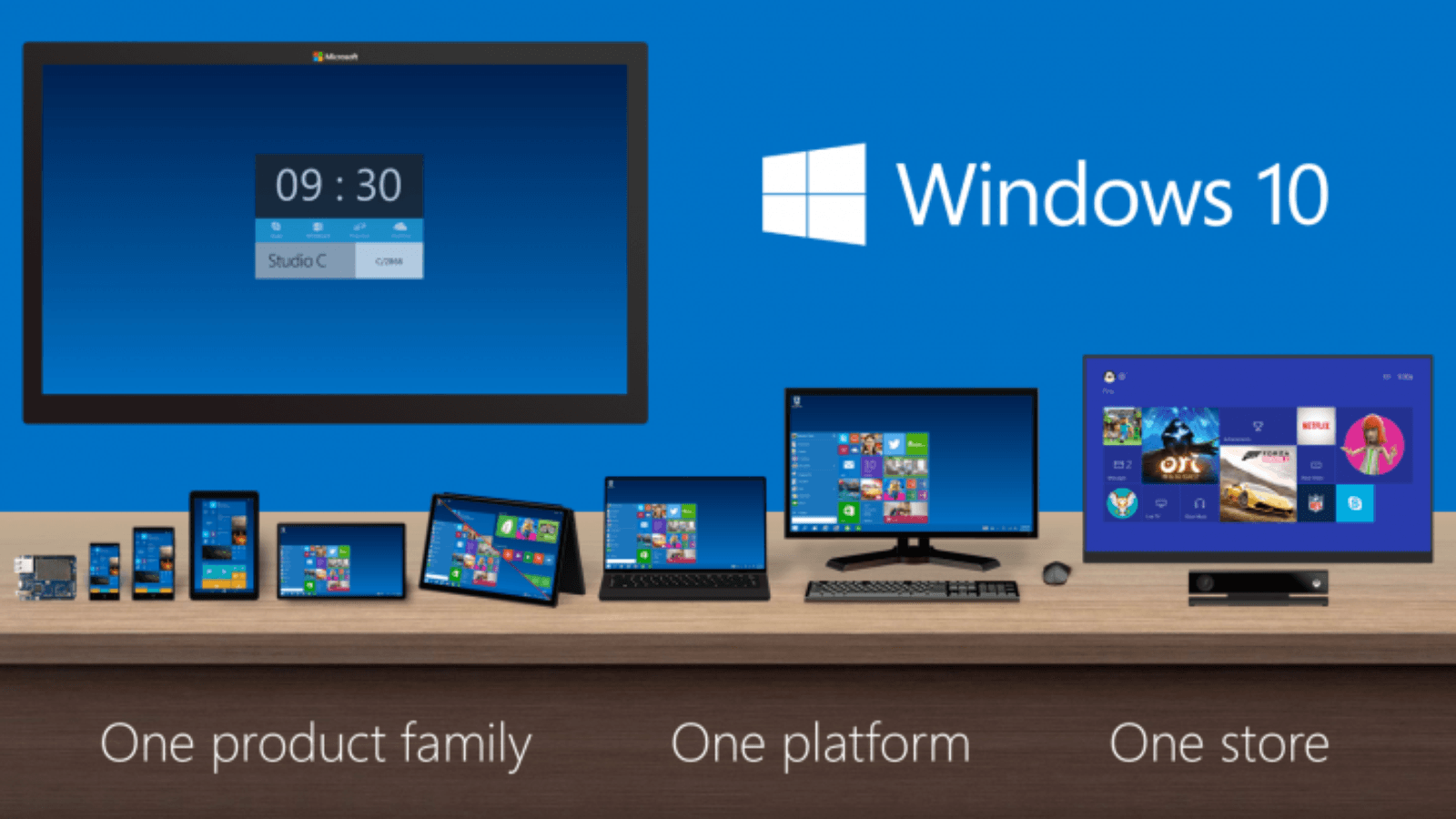
If you already enrolled in ESU, your coverage shifts automatically to the new 2027 end date, so there’s nothing extra for you to do. But if you haven’t signed up yet, you still have time. Microsoft has kept three enrollment paths open. You can choose from any of the following:

  • Back up your PC settings to a Microsoft account
  • Redeem 1,000 Microsoft Rewards points
  • Pay a flat $30 fee
Recommended Videos

Folks in the European Economic Area get it free just by signing into Windows 10 with a Microsoft account. One license covers up to 10 devices tied to that account.

However, keep in mind that this only applies to personal devices. Business PCs joined to Active Directory or controlled through mobile device management software fall outside its reach, with one exception for devices registered through Microsoft Entra. Meanwhile, companies have their own paid ESU track that runs through 2028.
Why this update matters right now?

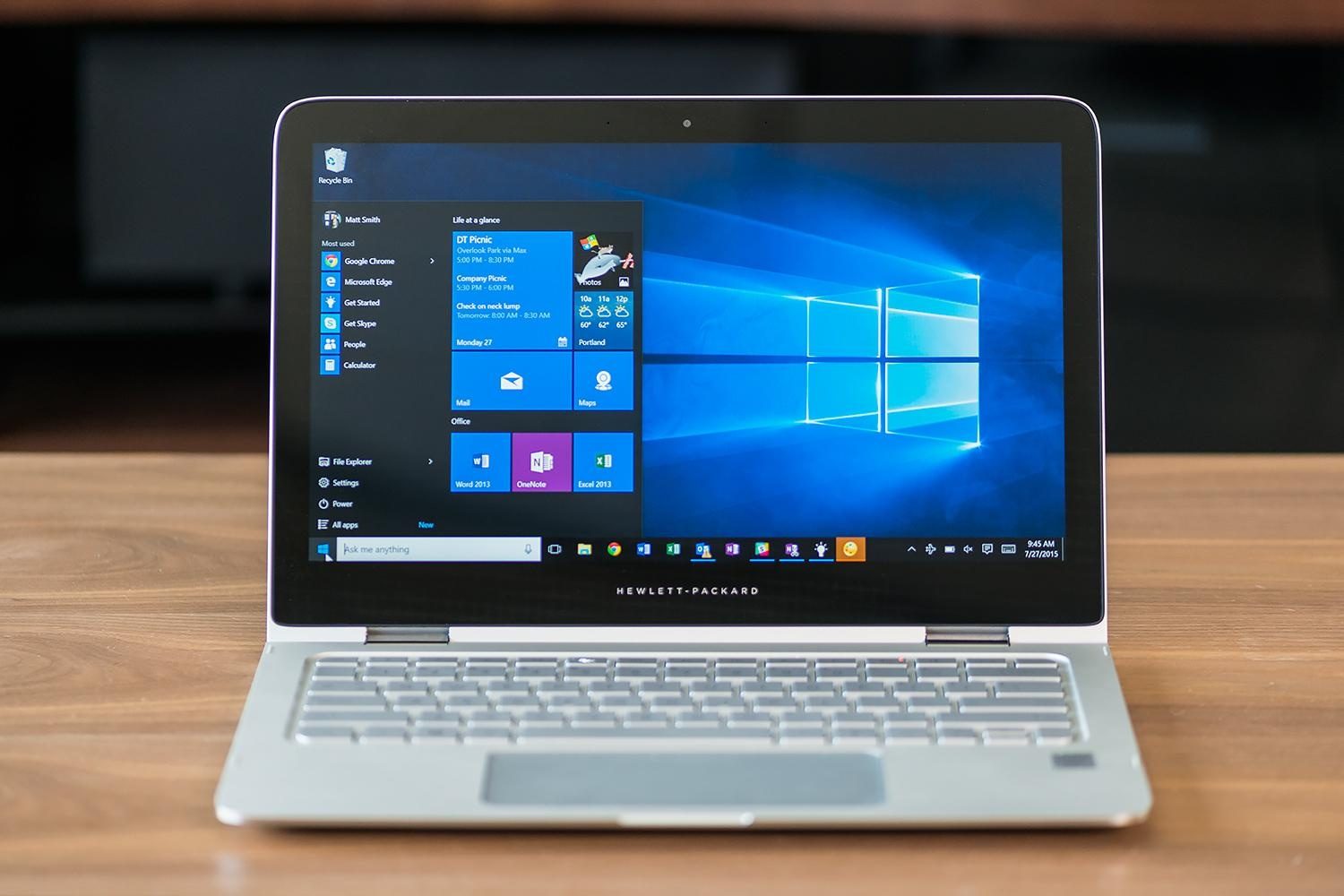
A huge chunk of the Windows installed base still cannot meet Windows 11’s hardware requirements, leaving millions of PCs stuck on the older system. Plenty of other users stick around by choice, preferring Windows 10’s lighter footprint and its lack of built-in AI features and telemetry.

This news also arrives at the same time as Microsoft raised Xbox console prices and Apple announced hikes on its flagship products. For now, you have an extra year to figure out your next move without losing security coverage.

Manisha Priyadarshini
Manisha Priyadarshini is a tech and entertainment writer with over nine years of editorial experience.
Framework found a way to make its new laptop cheaper, but don’t celebrate yet
Laptop 13 Pro buyers are getting a better SSD for less money
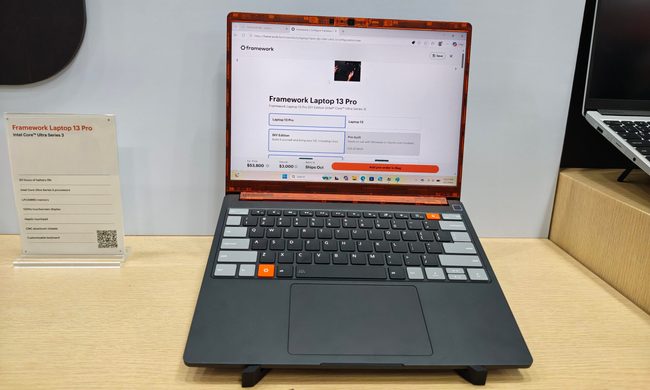
Framework Laptop 13 Pro on display at Computex 2026

With RAM and SSD prices rising across the tech industry, Framework has delivered a rare bit of good news for people waiting on the Framework Laptop 13 Pro. The company says it has found a new PCIe Gen 5 SSD from ADATA, the XPG MARS 970, that offers better performance, efficiency, and long-term reliability than the SSD option it had previously qualified.

Framework says the new ADATA SSDs cost substantially less than the earlier Gen 5 SSD option, and the savings are being passed on to buyers. Since Framework has not started shipping Laptop 13 Pro pre-orders yet, existing orders that included the previous Gen 5 SSDs will be switched to the new ADATA drives, with reduced pricing applied to those orders.

Read more
Apple just raised Mac prices, and Prime Day is your last chance to beat the hike
Five MacBook deals at pre-hike prices, while they last.
Computer, Electronics, Laptop

Apple stunned the industry when it launched the MacBook Neo in March 2026 for just $599 ($499 for students), especially as most PC makers were raising prices. Unfortunately, that era is already over. 

On June 25, Apple increased the prices of the MacBook Neo, M5 MacBook Air, and several MacBook Pro models by up to $300. If you've been planning to buy a MacBook, the ongoing Prime Day 2026 sale may be your last opportunity to buy one at the old-time pricing.

Read more
The Macflation crisis is here, and I just dodged it by a hair
Had I been 10 days late, I would have had to spend another $200 to get the same 13-inch M5 MacBook Air.
MacBook Air M5

When Apple finally caved to the memory crisis and increased prices across Mac and iPad on June 25, 2026, most people reacted with disbelief, frustration, or resigned acceptance. Mine was a quiet, slightly wicked smile, and in about two to three minutes, you'll understand exactly why.

My M1 MacBook Air (8GB, 256GB) has been showing its age since last year. It was starting to crack under pressure. Whenever I opened more than 10 or 15 Chrome tabs, it would protest quietly before crashing, forcing me to ration them. Video exports, even casual ones, started taking noticeably longer. I did everything I was supposed to do, but none of it made a meaningful difference.

Read more