When I attended my first Consumer Electronics Show in 2007, friends reacted as if I were going to the World’s Fair in 1933. What technological wonders would I see? What wizardry? What further evidence of mankind’s supremacy?
The stories I brought back seldom disappointed: TVs the size of bedroom walls! Flying cars! HD-DVDs! OK, maybe that last one is a poor example.
But when I tell friends and family that I’m going now, in 2025, their reaction is closer to announcing that I’m attending a defense convention. What wasteful excess will I witness this year? What new tools for spying on us? What evidence of mankind’s hubris?
Part of this, I admit, might have something to do with living in Portland, Oregon, where young people both go to retire and live in a state of perpetual skepticism of Big Anything. This is a city without fluoride in our water. But it’s not just my Luddite friends.
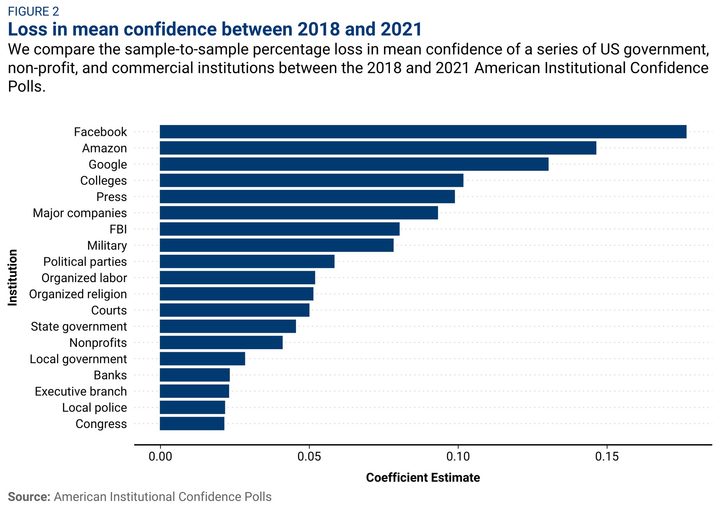
In 2021, YouGov conducted a survey to measure how trust in public institutions had changed since 2018. While it declined across the board, three companies led the pack in their plummet: Facebook, Amazon, and Google. Congress, police, and even the press fared relatively well, in comparison.
It’s not even just the general public. Another survey of tech professionals found that 79% of them don’t trust Big Tech on AI.
Can a show like CES help shake tech’s tarnished reputation? Perhaps more importantly, does it deserve to? I asked the woman who runs it.
More than novelty
Kinsey Fabrizio recently took over as president of the Consumer Technology Association, the group that runs CES, after decades of stewardship from her predecessor, Gary Shapiro. That makes this the first CES she’s in charge of, and an opportunity to make her mark.
Fabrizio points out that beyond the robovacs and VR headsets, CES has plenty of companies chewing on bigger issues. “I remember when the company Source had their Zero Mass Water tech that they were showcasing that created water out of air in the desert,” Fabrizio offers as an example. “I mean, that is tech solving a major problem.”
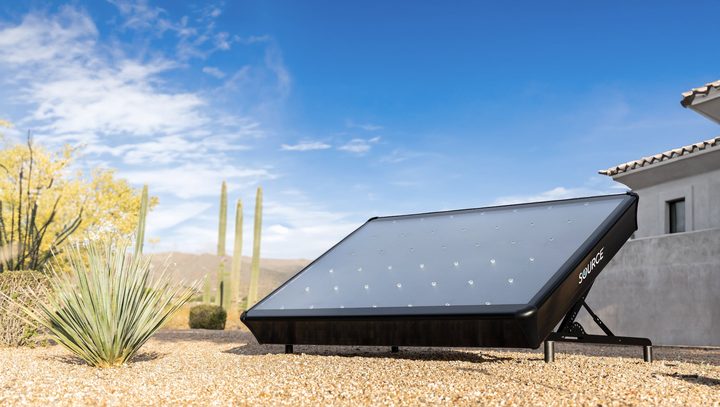
Source will be back this year. And another startup, AirFarm, takes the same technology a step further by collecting water from the air and using it to irrigate crops in an inflatable greenhouses known as Food Arks. The company claims they take just half a day to deploy due to their inflatable nature, and use 99% less water than conventional farming.
Having these companies attend CES is one thing, but the CTA has also been making an effort to spotlight them, Fabrizio says. “It’s really important to us to bring the brightest, the brightest and the greatest minds to the stage to talk about how tech is solving challenges, big global challenges, and really get them to showcase what they’re doing,”
The show floor tells the tale: Digital health solutions for example, will have 652 exhibitors this year, plus conference tracks with topics like “how tech can benefit 4.5 billion people without basic health care.”
“We have an awards program, and we have different categories, and all of them are centered around this theme of that Tech for Good, and tech solving the world’s challenges, and tech creating solutions,” Fabrizio says. Some of the categories include sustainability, smart cities, animal welfare, and human security for all, a grab bag for products that “demonstrate how technology helps tackle the world’s most pressing problems.”
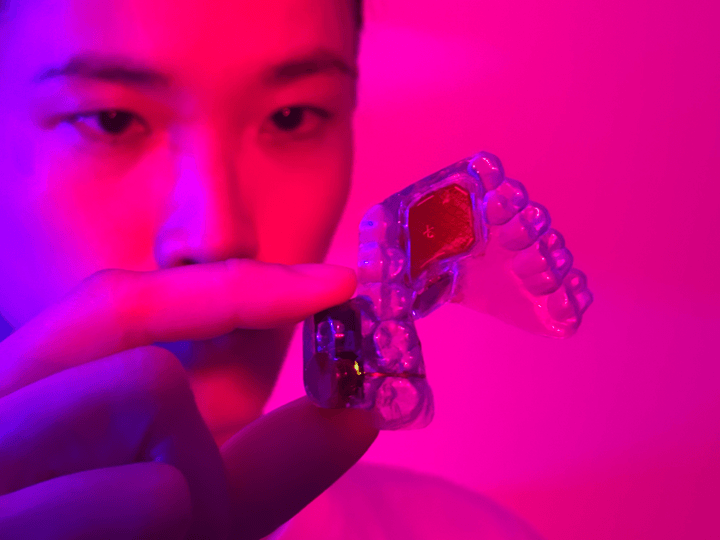
This year’s Innovation Award honorees include solutions for all sorts of issues. CalmiGo Plus is a handheld device that uses scent, vibration, and breathing exercises to help people with anxiety, PTSD, and panic attacks. MouthPad is a device for disabled users to control computers using just their tongue and gestures. DisMantleBot provides a new system for efficiently breaking down EV batteries for recycling.
We love Tech For Change so much we’ve built an entire series highlighting it, and this year’s CES is offering no shortage of candidates.
Room for both?
So is CES a shopping mall for big TVs, or an expo for solutions to the problems of the 21st century?
“There’s room for both,” Fabrizio says. “And being able to have both at CES I think, has been a great evolution, and something that we want to continue forward.”
We’re already seeing it play out. At CES Unveiled, a press preview on Sunday evening, Digital Trends’ editorial team gawked over AI glasses, digital windows, and electric rollerblades. But those weren’t the products we were most excited about. One editor came away excited about glasses for macular degeneration that might help his mom. Another was excited about a special display for people with dyslexia that could help his son.
You know we’re still going to cover flying cars. And big TVs. And a robot vacuum that climbs stairs.
But Fabrizio’s right: Beyond the carnival of excess and dubious practicality that has — not unfairly — come to define tech over the last decade, there are plenty of world-changing solutions on display. You just have to stop rolling your eyes and look.