  1. Home
  2. Emerging Tech
  3. News

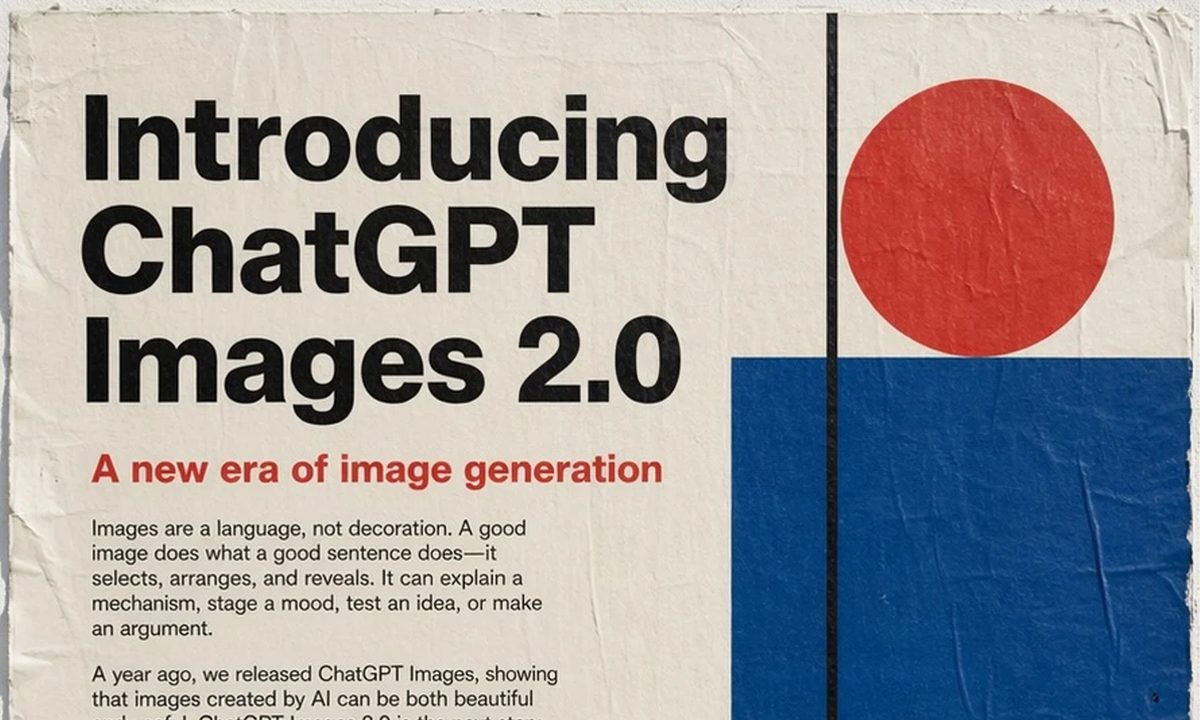
ChatGPT Images 2.0 is here, and it’s way more than an upgrade

Better text, reasoning, and real-world outputs.

Add as a preferred source on Google
ChatGPT Images 2.0 Banner
OpenAI

OpenAI is back with another upgrade to ChatGPT’s image capabilities, and this one feels less like a gimmick and more like a serious step toward making AI visuals actually useful. OpenAI has officially introduced ChatGPT Images 2.0, a new image generation system that leans heavily into reasoning and accuracy.

ChatGPT Images 2.0 focuses on understanding, not just generating

Instead of blindly turning prompts into visuals, the model now takes a more deliberate approach, essentially “thinking” through what you’re asking before generating the image.
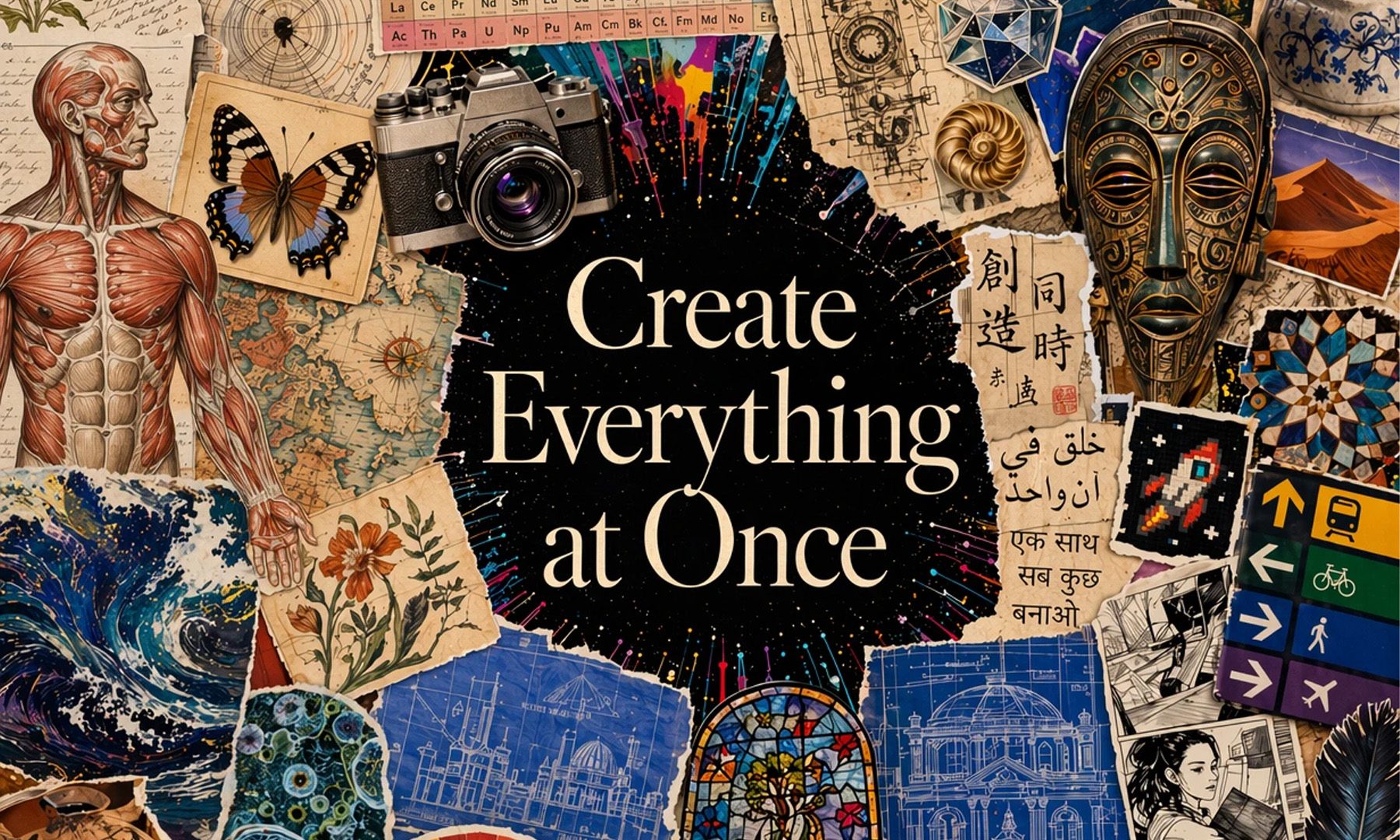
That shift shows up in a few key ways. The model is far better at handling complex prompts, can maintain consistency across multiple outputs, and is noticeably more reliable when it comes to placing text inside images, which is something earlier AI tools famously struggled with.
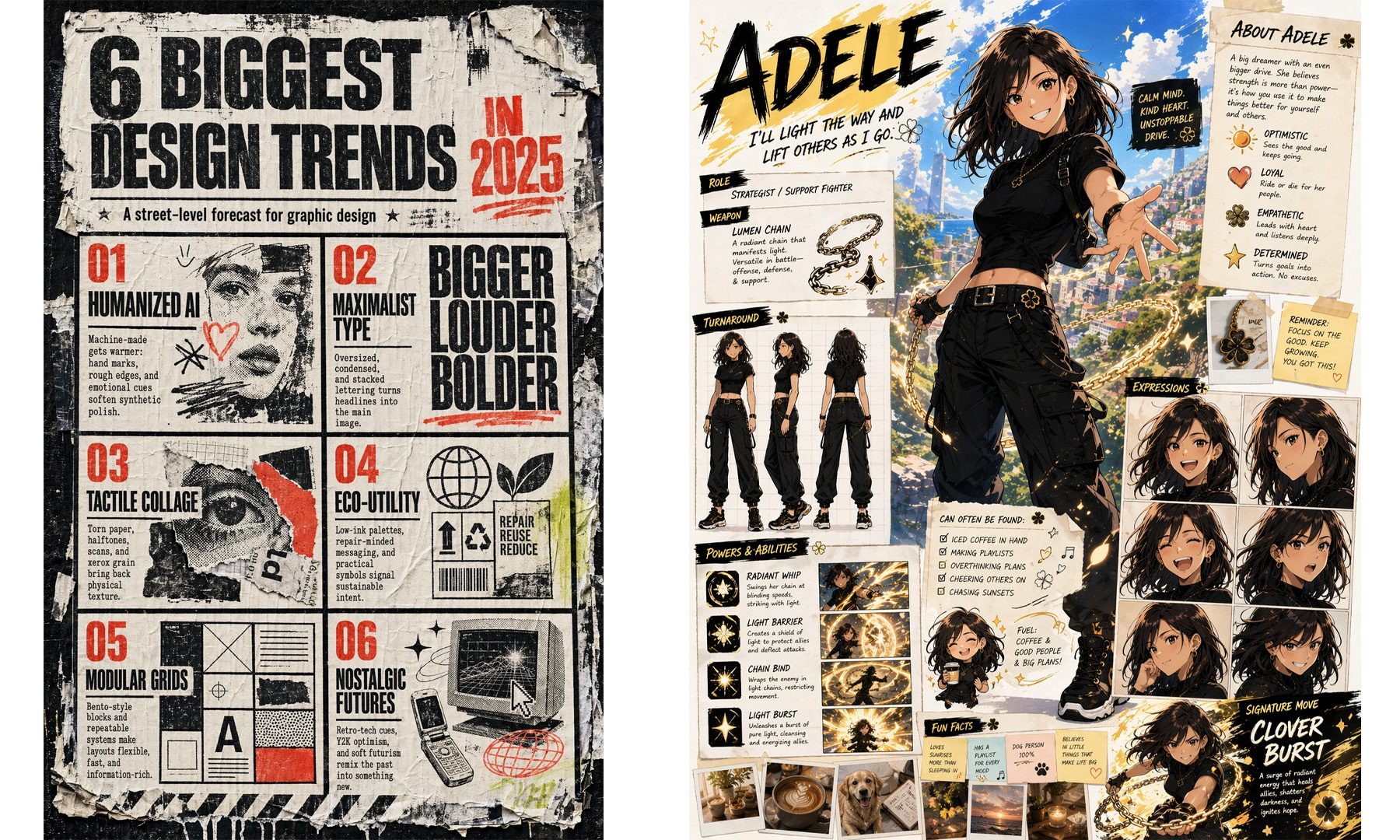
Furthermore, it can also generate multiple variations from a single prompt while keeping the core idea intact, which makes it far more useful for iterative work. The result is a system that feels less like an AI art generator and more like a tool that actually understands what you’re trying to create.

This is where AI images start becoming practical

What makes this update interesting is the direction OpenAI is taking. This isn’t about chasing viral AI art anymore, but also about making image generation usable in real-world scenarios. With improved text rendering, better structure, and more predictable outputs, ChatGPT Images 2.0 starts to make sense for things like presentations, social media creatives, or quick design mockups. It’s still not a full replacement for professional tools, but it’s getting close enough to handle a surprising amount of everyday creative work.

Recommended Videos

That said, it’s not perfect. There are still occasional inconsistencies, especially with more complex layouts or non-English text. But compared to where things were even a year ago, the progress is hard to ignore. And if this trend continues, the line between “AI-generated” and “actually usable” visuals is going to get thinner very quickly. ChatGPT Images 2.0 is available starting today to all ChatGPT and Codex users, with advanced outputs using Thinking available to Plus, Pro, Business, and Enterprise users. The underlying model, gpt-image-2, is also available in the API.

Varun Mirchandani
Varun is an experienced technology journalist and editor with over eight years in consumer tech media. His work spans…
Robots just ran the Beijing half-marathon faster than the world record holder
humanoid robot running a marathon

A humanoid robot just ran a half-marathon faster than the world record holder. It might not seem impressive at first, but considering last year, the fastest robot at Beijing's humanoid robot half-marathon finished in two hours and 40 minutes, this is a huge achievement. 

As reported by the Associated Press, the winning robot at this year's Beijing half-marathon crossed the finish line in 50 minutes and 26 seconds, comfortably beating the human world record of 57 minutes recently set by Jacob Kiplimo. 

Read more
As if the plate wasn’t already full, AI is about to worsen the global e-waste crisis
New report highlights a rising environmental concern
Stack of graphics cards and motherboards in a landfill site e-waste

AI is already changing how the world works, but it’s also quietly making one of our biggest environmental problems even worse. And no, this isn’t about energy consumption this time. It’s about the hardware. Because every smarter AI model comes with a physical cost.

AI is about to supercharge the e-waste problem

Read more
Smart glasses are finding a surprise niche — Korean drama and theater shows
Urban, Night Life, Person

Every year, millions of people follow Korean content without speaking a word of the language. They stream shows with subtitles, read translated lyrics, and find workarounds. But live theater has always been a different problem — you can't pause or rewind it. That's the problem: a Korean startup thinks it's cracked, and Yuroy Wang was one of the first to try it. The 22-year-old Taipei retail worker is a K-pop fan who loves Korean culture but doesn't speak the language. When he went to see "The Second Chance Convenience Store," a touring play based on a Korean novel that was a bestseller in Taiwan, he expected supertitles. What he got instead was a pair of chunky black-framed AI-powered glasses sitting on his nose, translating the dialogue in real time directly on the lenses. "As soon as I found out they were available, I couldn't wait to try them," he said. Wang is part of a growing audience discovering that smart glasses, a category of tech that has struggled to find mainstream purpose for years, might have just found their calling in the most unexpected of places: live Korean theater.

How do the glasses work?

Read more