  1. Home
  2. Emerging Tech
  3. News

Digital Trends may earn a commission when you buy through links on our site. Why trust us?

Feds ban Chinese-made drones over spying fears. Could your drone be next?

Add as a preferred source on Google
 

The U.S. Department of Interior (DoI) has essentially banned Chinese-made drones and drone parts because of the fear of these drones’ potential to be used for spying.

Recommended Videos

The Wall Street Journal reports that the new no-fly rule, which takes effect immediately, is explicitly aimed at foreign-made drones and that the only fly exceptions would be for responding to natural disasters or other emergencies.

The DoI’s announcement on Wednesday reportedly directs officials to favor drones made in the U.S. instead of Chinese-made ones. Some of the drones that the DoI uses are made by the widely popular China drone company, DJI. The company is known for drone models like the Mavic, Spark, and Phantom, and is a leader in civilian drones.
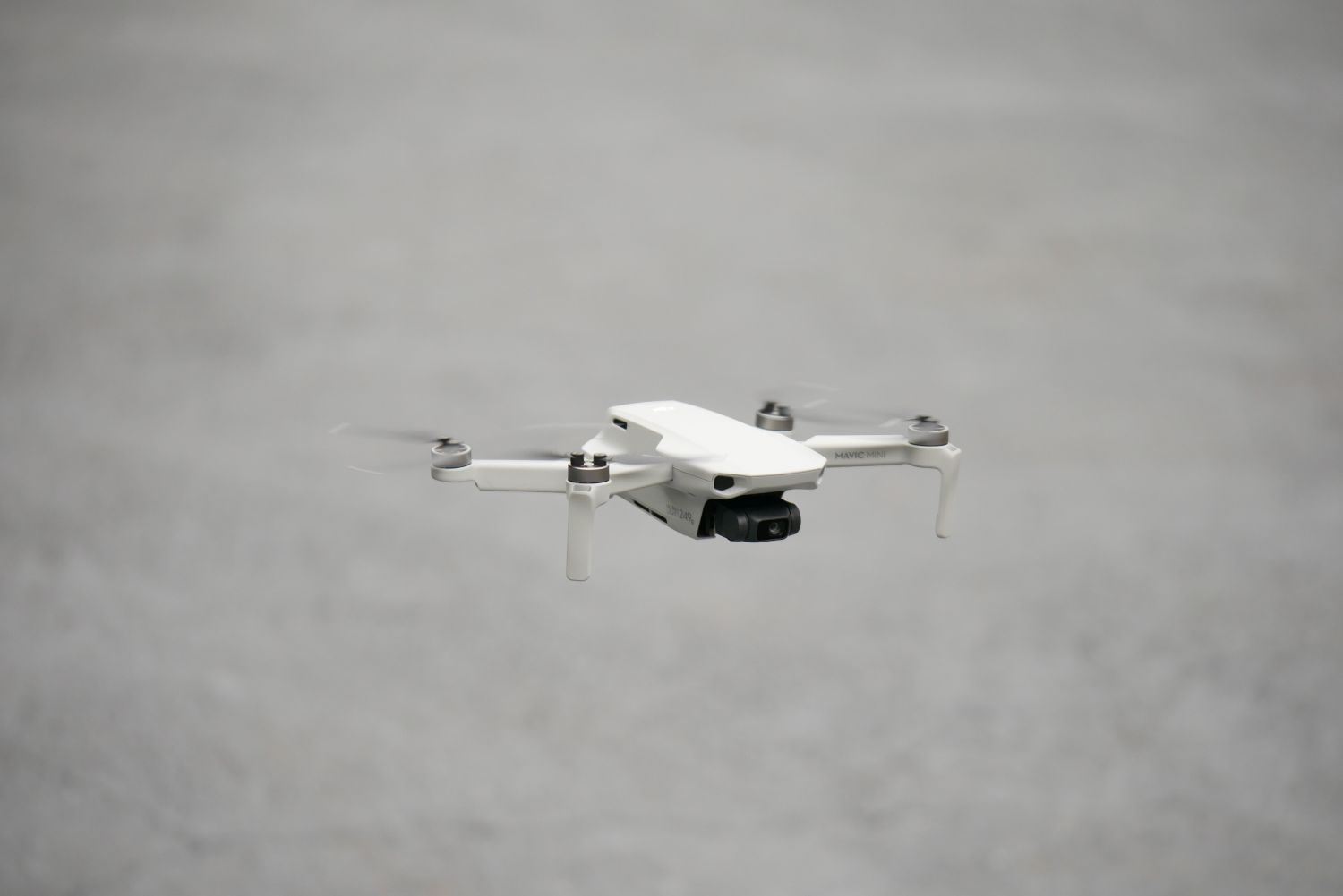
DJI Mavic Mini flying
John Velasco / Digital Trends

DJI made an official statement about DoI’s no-fly policy on Chinese-made drones, saying it is disappointed with the decision.

“We are opposed to the politically motivated country of origin restrictions masquerading as cybersecurity concerns and call for policymakers and industry stakeholders to create clear standards that will give commercial and government drone operators the assurance they need to confidently evaluate drone technology on the merits of performance, security and reliability, no matter where it is made,” the statement said.

In October, the DoI grounded 800 Chinese-made drones over similar security concerns that the machines could be used to send sensitive data to China. Ultimately, this grounding was the first step that eventually led to Wednesday’s announcement of the no-fly policy. 

Overall, the Federal Aviation Administration (FAA) has the most control over drones and requires everyone who plans to fly a drone — including government agencies—to acquire the proper authorization before they can operate. 

According to Reuters, there are nearly 1.3 million registered drones with the FAA in the United States, and more than 116,000 registered drone operators. It is not known how many of those registered drones are Chinese-made. 

Government officials have urged the FAA to put more restrictions on Chinese-made drones. In December, five Republican senators wrote a letter to the FAA to exclude Chinese drones from future partnerships due to national security concerns.

Digital Trends reached out to the FAA to see if it shares the same concerns as the DoI and other officials about Chinese-made drones and if there would ever be a potential ban on them. We will update this story once we hear back. 

Allison Matyus
Former Digital Trends Contributor
Allison Matyus is a general news reporter at Digital Trends. She covers any and all tech news, including issues around social…
After flubbing with Siri, Apple plans to host AI agents on the App Store
One problem is about money Apple won't commit to not charging. The other is about AI agents Apple can't figure out how to control. WWDC needs to solve both.
Electronics, Mobile Phone, Phone

Apple is currently facing a Siri problem that has nothing to do with Siri at all. With WWDC 2026 just weeks away, The Information reports the company is actively courting developers to integrate their apps with the new Siri coming in iOS 27. 

The mechanism powering the overhauled Siri, App Intents, is an API that lets Siri execute actions inside third-party apps without you actively opening them, which sounds quite useful, I’d say. However, some of the world’s largest developers are dragging their feet on it, not because it’s tough, but because Apple left the door open on charging for it later.

Read more
EV batteries just need some AI top-up nudge, and they get a big 23% life boost, finds research
Charging fast and lasting long seemed impossible. A new AI trick says otherwise.
EV Charging

EV battery charging technology has always had to find the right balance between charging speed and battery longevity. If the charging speed is too fast, it wears down the battery. If the charging is too slow, nobody is happy. 

Researchers Meng Yuan from Victoria University of Wellington and Changfu Zou from Chalmers University of Technology in Sweden may have cracked this long-standing problem using an AI technique called deep reinforcement learning, and the results are pretty encouraging.

Read more
Alexa for Shopping is a chatty new AI assistant with some cool tricks to make you spend at Amazon
Alexa now remembers your plans and turns them into shopping lists
Logo of Amazon’s new Alexa+ assistant.

After years of using Alexa to answer questions, control smart homes, play music, and handle everyday tasks, Amazon has found a more obvious job for it. Alexa is becoming your personal shopper, meant to help you find what you need faster and get it into your cart with fewer second thoughts.

Amazon is rolling out Alexa for Shopping to U.S. customers on the Amazon Shopping app, Amazon.com, and Echo Show devices. It combines the existing Rufus shopping chatbot with Alexa+ personalization, enabling the assistant to use product knowledge, shopping history, browsing behavior, past purchases, preferences, and Alexa conversations to improve recommendations. The assistant is free for signed-in Amazon customers and does not require Prime, an Echo device, or the Alexa app.

Read more