Making a massive amount of money on Kickstarter doesn’t necessarily make a company successful. In fact, there are plenty of Kickstarter companies that made millions, but failed to go anywhere after their initial crowdfunding campaigns came to a close (ahem: Coolest Cooler). That’s why we’re considering a different measure of success in this list of successful Kickstarter campaigns; some of these may not have brought in ridiculous amounts of money –though some did– they sparked sustainable, lasting success. No one hit wonders here, folks.
Oculus
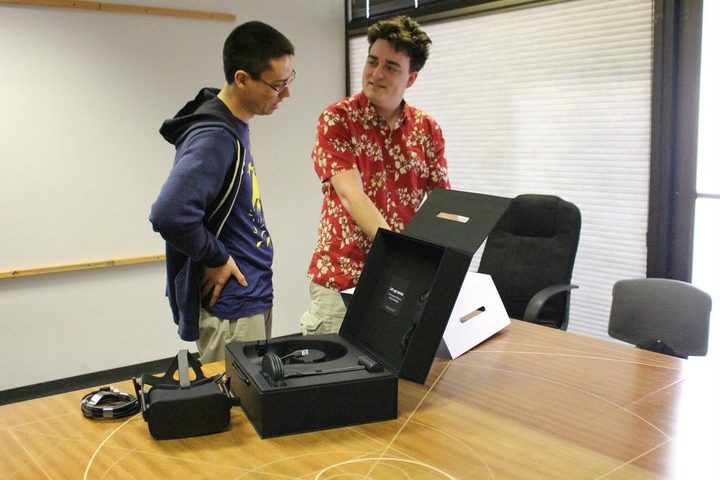
Oculus founder Palmer Luckey started considering a Kickstarter in 2009, stating that he was sure he wouldn’t make a penny off the project. The original goal was just to pay for parts, manufacturing, shipping, and Kickstarter fees — an extra $10 bucks for a celebratory pizza and beer would make it a true success. When Luckey launched the Kickstarter in 2012, he set the goal at $250,000. By the time it ended, Luckey earned $2,437,429 from 9,522 backers clamoring for the virtual reality headset. And mind you, this version of the Rift was only an early developer’s kit, too; far from the polished version that would release to the public years later.
Oculus had already been of interest to many folks in the industry, but the Kickstarter campaign was the push over the edge. From there, Oculus raised million after million in funding from investors, with major names signing on to the project: id co-founder John Carmack, in particular, left id to lead Oculus as the chief technology officer. All of these endorsements led to something major: Facebook acquired the company in 2014 for $2 billion.
Pebble
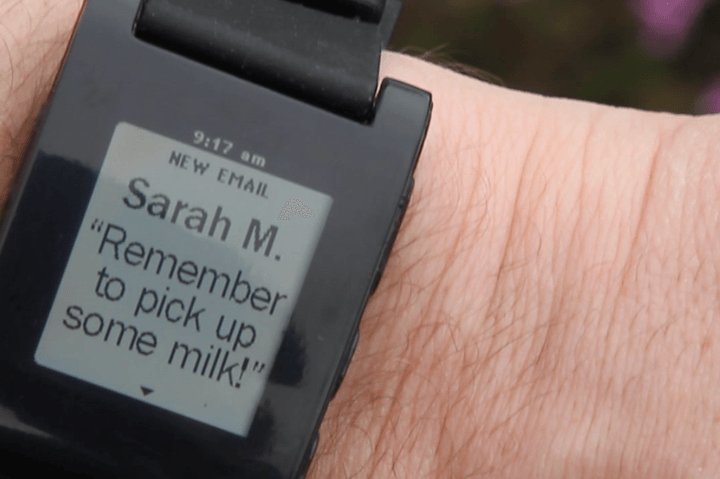
Despite serious, big name competition in the smartwatch industry, Pebble Technology continues to assert its dominance. The company’s first Kickstarter campaign launched in 2012 with an initial goal of $100,000. It ended up raising more than $10 million. Raising that much money is certainly impressive, but it’s not always sustainable. That’s why it’s remarkable that Pebble went on to launch two more Kickstarters. Pebble Time brought in more than $20 million for Pebble, while the Pebble 2 and Time 2 Kickstarter garnered over $12 million — one million of which was raised in the first hour.
With its Kickstarter campaigns generating buzz, it’s important that Pebble delivers; and that, it does. That’s why Pebble is able to hold on to its success. Pebble CEO and founder Eric Migicovsky told the MIT Technology Review in June that Pebble isn’t interested in making a quick gadget and leaving the market. “We’re not in it for the short win,” Migicovsky added. Because of that, Pebble will continue to evolve and grow with its customer base — at least, that’s the hope for the company.
Formlabs
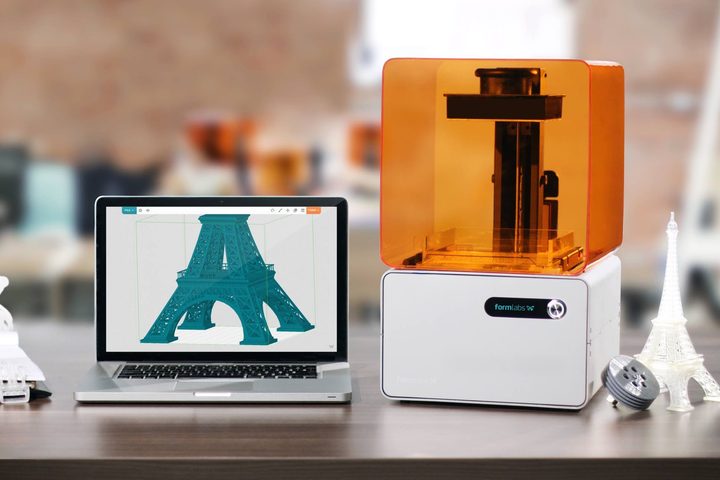
Massachusetts-based company Formlabs introduced its Kickstarter campaign in 2012, aiming to bring 3D printing to the masses. The project earned nearly $3 million in funding for the Form 1 — an affordable, professional 3D printer. One of the first stereolithography (SLA) printers for consumers, Formlabs got a lot of press. With just 12 employees when the Form 1 Kickstarter launched, it was a scramble to deliver. But they did — Formlabs finished shipping its Kickstarter-backed 3D printers in 2013. Since then, the company has grown to over 100 employees. Money isn’t an issue, either: Formlabs announced in August that it raised $35 million in Series B funding.
Formlabs is now selling a follow-up to the Form 1, aptly named the Form 2. And the Form 2 is not just a minor upgrade to the Form 1; it’s a major overhaul — and better than the Form 1 in many ways.
Awl & Sundry

Awl & Sundry founder Nikunj Marvania headed to Kickstarter to launch his company. The startup had been founded nine months before the Kickstarter was created as a way to “democratize the luxury of bespoke fashion.” Ten of the top hand-made designs were available for purchase through the project. Four hundred backers contributed more than $90,000 in funding, blowing away the company’s original goal of $30,000.
From there, the company grew exponentially, offering an incredible selection of high quality men’s footwear. Ordering online isn’t the only option anymore, either; those interested can head over to the Awl & Sundry showroom for a custom fitting. There’s even an option to design your own custom shoe, if that’s your thing.
Reading Rainbow

Reading Rainbow is back, and we have Kickstarter to thank. Reading Rainbow host LeVar Burton took to the crowdfunding platform to bring Reading Rainbow back for kids everywhere. The show started in 1983 and inspired kids everywhere to read; it’s show many of us remember fondly from our youth. But TV isn’t where kids get most of their media anymore — it’s the internet. That’s why Burton launched a Reading Rainbow app for tablets. The app, though, didn’t have the reach Burton was striving for. That’s where Kickstarter came in.
The Kickstarter program allowed the app to reach more platforms and more classrooms — giving away many subscriptions for free. Reading Rainbow’s initial Kickstarter goal was set at $1 million. In the end, Reading Rainbow earned more than $5 million from its backers. Its growth continues to be sustained by monthly memberships, vowing to continue to bring the Reading Rainbow virtual library to as many schools and homes as possible.