
First impressions are important. Whether it’s the first thing we see or the first thing we hear, it’s going to shape our perceptions. In the case of tech products, this means they should either look cool or sound cool. Unfortunately, sometimes the companies making these decisions get it wildly wrong, and we’re left scratching our heads wondering who on Earth thought this name was a good idea. You know them when you see them, but here they are in one place. These are the worst tech product names in recent history.
OnePlus Anything
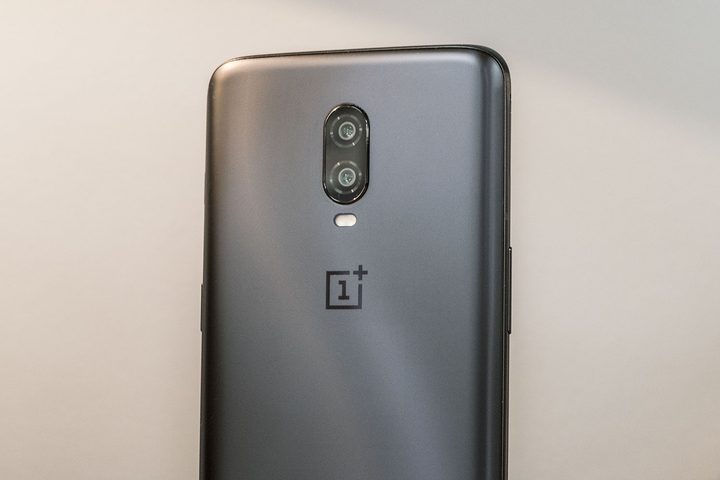
This is one of those instances where it almost sounds normal now, but when this company first started releasing phones, enthusiasts hoping to impress their friends and family with their new OnePlus One were understandably met with blank stares. It didn’t help that no one had ever heard of OnePlus before. For years, if you searched “[X]” online, Google would try to help by returning a solved math equation ahead of any relevant search results.
Swagtron Hoverboard
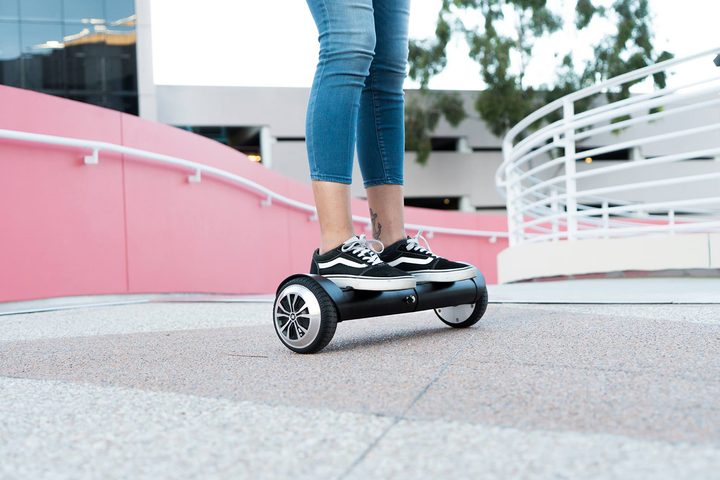
This is the “Hey there, fellow kids” of product names. Looking past the fact that we still think calling these things “hoverboards” is outrageously misleading, this name sounds like it was conceived by a 36-year-old man in drop-crotch pants trying to convince a room full of suits that this name was, in fact, “lit”. And, somehow, they gave it the greenlight.
Belty Smart Belt

Belty is almost as lazy a name as the idea that putting on a belt is somehow a task that needs to be made easier. This is why the robots will win, people.
LG XBOOM AI ThinQ WK9 Smart Display with Meridian Audio and Google Assistant Built-In
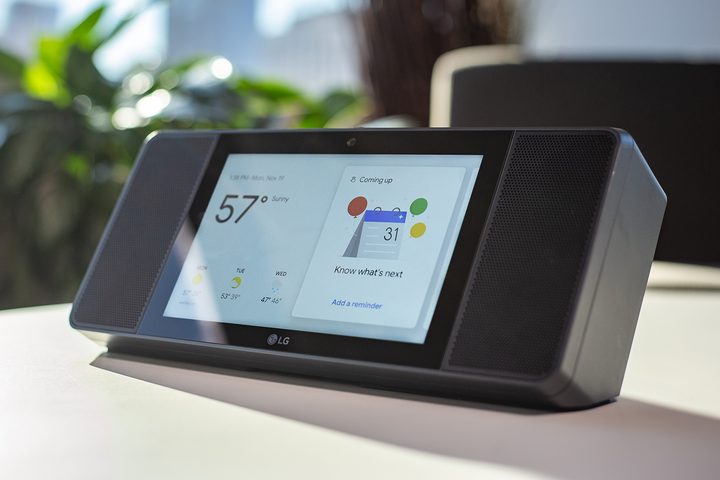
We get it, you’re excited about your product, but with all those buzzwords and acronyms smashed together, we have to be honest. It feels like you’re overcompensating for something here, LG.
Nintendo Wii U
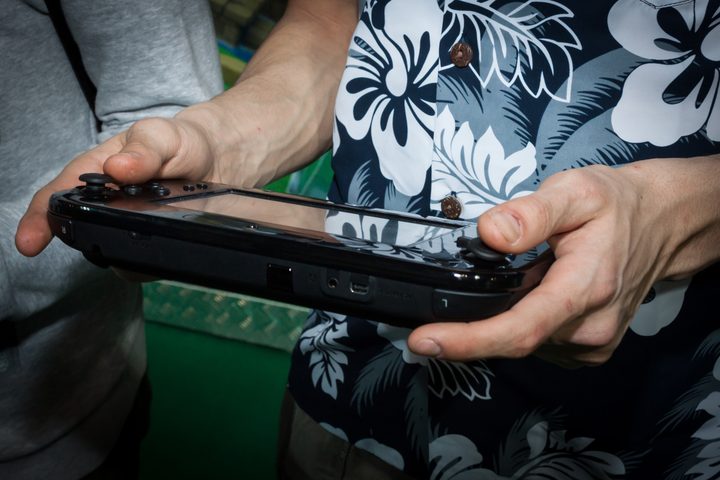
Calling the first iteration the Wii was ridiculous enough, and adding U at the end of its moniker didn’t offer any reprieve. We’re not sure what Nintendo’s obsession with misspelled pronouns was back then, but the consequence was an Internet flooded with memes mocking the system’s name because, when spoken aloud, it sounds similar to the sound of an ambulance siren. And yes, it got old fast.
Giant Quick-E+
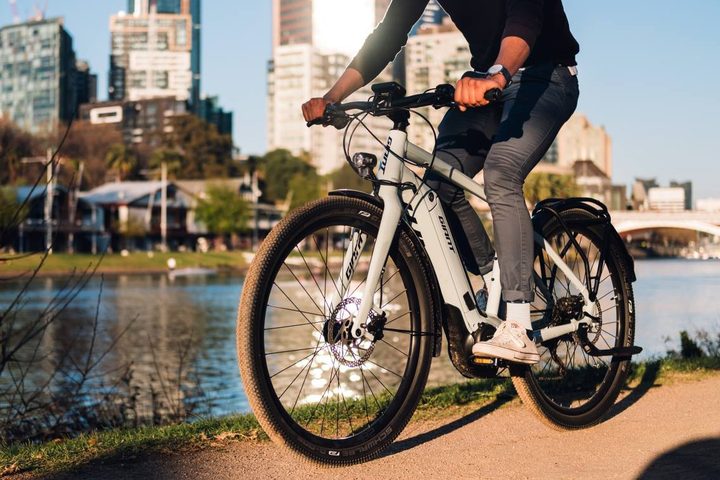
Who doesn’t love a good Quick-E?
iPhone XR, XS, and XS Max
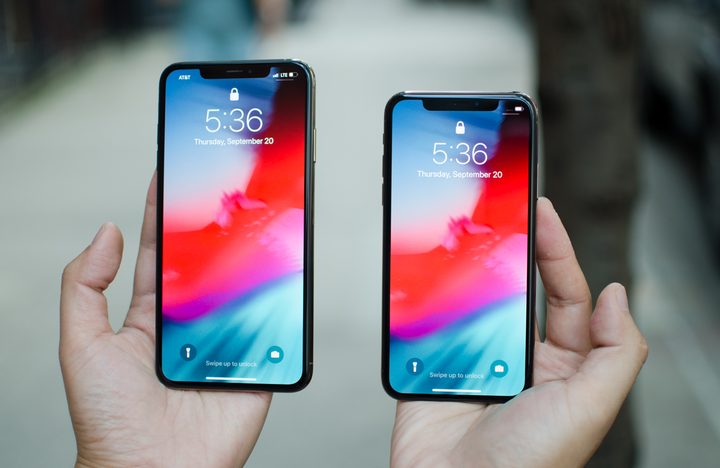
We can’t just give Apple a pass because it’s one of the richest and most powerful companies in the world. Every year they play the name game, and every year they find new ways to confuse us all. As far as we can tell, your first instincts on how to pronounce a given iPhone name are almost assuredly wrong.
Diesel On Full Guard 2.5
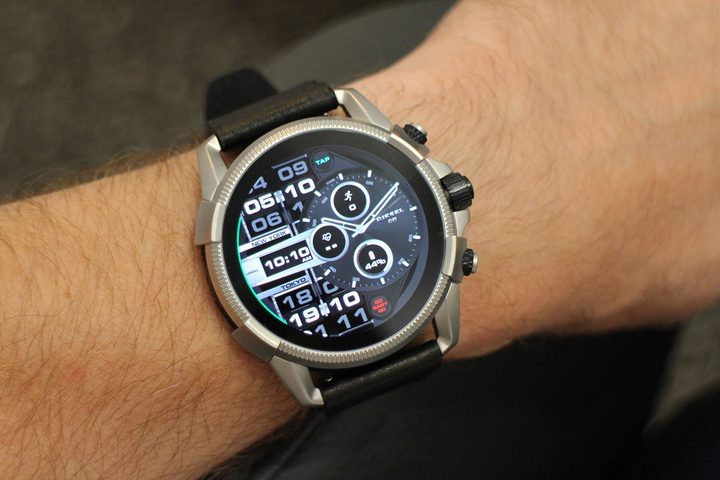
Maybe this isn’t as bad as some of the others, but it’s still an enigma. Allow us to unravel this one: Diesel is the brand, On is the name of its smartwatch series, and Full Guard is the name of the watch. As for why it’s 2.5 and not just 2 or 2.0, you might wonder? In an email to Digital Trends, Andrea Rosso, Diesel’s head of licensing, told us it’s “because we made an incredible update on it, taking it to the next level, and we wanted to make it clear starting from the name.” You know what we call that where I’m from, Andrea? We call that being extra.
Palm Palm (2018)
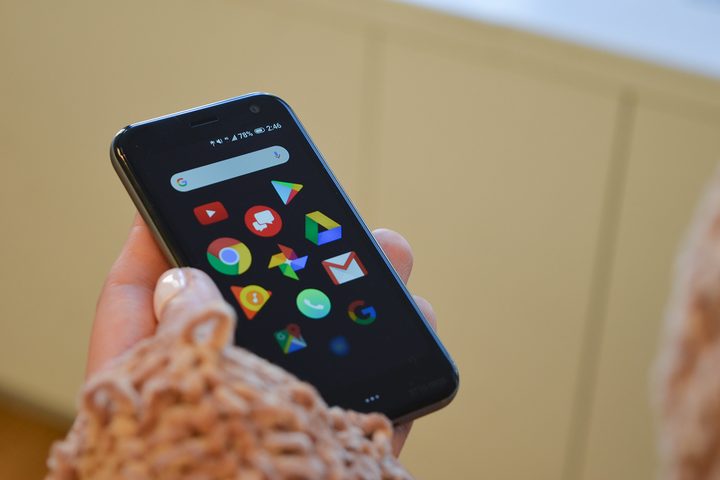
This is a “phone” for the history books. Not only did Palm try to convince us that the cure for screen addiction was to carry another, smaller screen with us in addition to the one we’re already carrying — they also called it Palm. The result was the Palm Palm, pronounced the same way as those things no one will be clapping together to cheer on a successor to this phone phone.


