Animal Crossing: New Horizons is a game for completionists, giving you tons of things to collect that can take up a lot of your time. In particular, bug catching can eat up lots of your time, especially since so many of them only appear during certain times of the year. Each month, different bugs come and go, even though the overall list might not change much from October to November, for example.
In this guide, we’ll go through the new Animal Crossing: New Horizons November 2022 bug list, including tips on when they appear, where to find them, how much they’re worth, and more.
Recommended reading:
- When and where to find Animal Crossing’s rarest fish
- Animal Crossing: New Horizons fish guide
- Animal Crossing: New Horizons beginner’s guide
Bug-catching tips
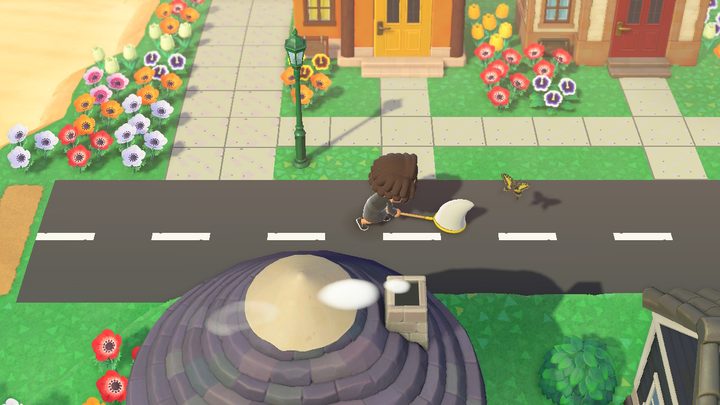
Bug spawns are peculiar, with some of them only appearing in specific, fixed locations, while others are more general. For instance, in order to get an ant to spawn, you must have rotten food. Stink bugs, on the other hand, appear on flowers that can be found across your island. In some cases, depending on the bug, you’ll have to wander the island a bit to get them to spawn, so keep that in mind.
We recommend bringing multiple nets with you while searching for bugs. That way, you’ve got a backup if one breaks, which will save you from having to visit the store or your personal stash for an extra one. Likewise, bringing a Golden Net is a great idea since they last longer than the standard counterpart.
When approaching deadly creatures like scorpions and tarantulas, it’s best to walk up to them with your net put away, as they’re less likely to attack you. If you’ve tried to catch one with your net out, you’ve probably been injured by them at some point or another, so try the process empty-handed. Once you get close enough, grab your net, and you’ll have an easier time capturing them.
Bug list
One of the quirks of Animal Crossing: New Horizons is that it follows the seasons in real time, meaning summer in the game reflects summer in real life. That rule rings true regardless of the hemisphere, and depending on the time of year, various bugs will make an appearance. But it gets deeper than that, as certain bugs that appear throughout a given month will only come out during specific times of the day. These bugs come and go as the seasons change, so you’ll always want to keep up to date with the current list for the month.
Changes in November
In November, you’ll find a substantial number of changes to the available bugs. In the Northern Hemisphere, many of the bugs that appeared last month have left, including the yellow butterfly, bell cricket, red dragonfly, darner dragonfly, banded dragonfly, and stinkbug, to name a few. New this month are the damselfly, mole cricket, and tarantula.
The Southern Hemisphere also features changes this November. Gone this month is just the tarantula. But replacing it are the great purple emperor, banded dragonfly, pondskater, diving beetle, violin beetle, and more, so you’ll still have plenty of critters to catch. And, of course, many of the bugs from August are still present this month.
Below are the full lists of November 2022’s bugs across the Northern and Southern Hemispheres.
Northern Hemisphere
- Common butterfly: Flying, 4 a.m. to 7 p.m. (160 bells)
- Paper kite butterfly: Flying, 8 a.m. to 7 p.m. (1,000 bells)
- Monarch butterfly: Flying, 4 a.m. to 5 p.m. (140 bells)
- Moth: Flying near light sources, 7 p.m. to 4 a.m. (130 bells)
- Long locust: On the ground, 8 a.m. to 7 p.m. (200 bells)
- Migratory locust: On the ground, 8 a.m. to 7 p.m. (600 bells)
- Rice grasshopper: On the ground, 8 a.m. to 7 p.m. (160 bells)
- Cricket: On the ground, 5 p.m. to 8 a.m. (130 bells)
- Mantis: On flowers, 8 a.m. to 5 p.m. (430 bells)
- Orchid mantis: On white flowers, 8 a.m. to 5 p.m. (2,400 bells)
- Wasp: Shaking trees, all day (2,500 bells)
- Damselfly: Flying, all day (500 bells)
- Mole cricket: Underground, all day (500 bells)
- Violin beetle: On tree stumps, all day (450 bells)
- Citrus long-horned beetle: On tree stumps, all day (350 bells)
- Walking stick: On trees, 4 a.m. to 8 a.m. and 5 p.m. to 7 p.m. (600 bells)
- Bagworm: Shaking trees, all day (600 bells)
- Ant: On rotten food, all day (80 bells)
- Hermit crab: Disguised as shells, 7 p.m. to 8 a.m. (1,000 bells)
- Wharf roach: On rocks at the beach, all day (200 bells)
- Fly: On trash, all day (30 bells)
- Flea: On villagers, all day (70 bells)
- Snail: On rocks and bushes during rain, all day (250 bells)
- Pill bug: Hitting rocks, 11 a.m. to 4 p.m. (250 bells)
- Centipede: Hitting rocks, 4 p.m. to 11 p.m. (300 bells)
- Spider: Shaking trees, 7 p.m. to 8 a.m. (480 bells)
- Tarantula: On the ground, 7 p.m. to 4 a.m. (8,000 bells)
Southern Hemisphere
- Common butterfly: Flying, 4 a.m. to 7 p.m. (160 bells)
- Yellow butterfly: Flying, 4 a.m. to 7 p.m. (160 bells)
- Tiger butterfly: Flying, 4 a.m. to 7 p.m. (240 bells)
- Peacock butterfly: Flying by hybrid flowers, 4 a.m. to 7 p.m. (2,500 bells)
- Paper kite butterfly: Flying, 8 a.m. to 7 p.m. (1,000 bells)
- Great purple emperor: Flying, 4 a.m. to 7 p.m. (3,000 bells)
- Agrias butterfly: Flying, 8 a.m. to 5 p.m. (3,000 bells)
- Rajah Brooke’s birdwing: Flying, 8 a.m. to 5 p.m. (2,500 bells)
- Queen Alexandra’s birdwing: Flying, 8 a.m. to 4 p.m. (4,000 bells)
- Moth: Flying near light sources, 7 p.m. to 4 a.m. (130 bells)
- Atlas moth: On trees, 7 p.m. to 4 a.m. (3,000 bells)
- Madagascan sunset moth: Flying, 8 a.m. to 4 p.m. (2,500 bells)
- Long locust: On the ground, 8 a.m. to 7 p.m. (200 bells)
- Mantis: On flowers, 8 a.m. to 5 p.m. (430 bells)
- Orchid mantis: On white flowers, 8 a.m. to 5 p.m. (2,400 bells)
- Honeybee: Flying, 8 a.m. to 5 p.m. (200 bells)
- Wasp: Shaking trees, all day (2,500 bells)
- Darner dragonfly: Flying, 8 a.m. to 5 p.m. (230 bells)
- Banded dragonfly: Flying, 8 a.m. to 5 p.m. (4,000 bells)
- Mole cricket: Underground, all day (500 bells)
- Pondskater: On freshwater, 8 a.m. to 7 p.m. (130 bells)
- Diving beetle: On freshwater, 8 a.m. to 7 p.m. (800 bells)
- Giant water bug: On freshwater, 7 p.m. to 8 a.m. (2,000 bells)
- Stinkbug: On flowers, all day (120 bells)
- Man-faced stink bug: On flowers, 7 p.m. to 8 a.m. (1,000 bells)
- Ladybug: On flowers, 8 a.m. to 5 p.m. (200 bells)
- Tiger beetle: On the ground, all day (1,500 bells)
- Jewel beetle: On tree stumps, all day (2,400 bells)
- Violin beetle: On tree stumps, all day (450 bells)
- Citrus long-horned beetle: On tree stumps, all day (350 bells)
- Rosalia batesi beetle: On tree stumps, all day (3,000 bells)
- Bagworm: Shaking trees, all day (600 bells)
- Ant: On rotten food, all day (80 bells)
- Hermit crab: Disguised as shells, 7 p.m. to 8 a.m. (1,000 bells)
- Wharf roach: On rocks at the beach, all day (200 bells)
- Fly: On trash, all day (60 bells)
- Flea: On villagers, all day (70 bells)
- Snail: On rocks and bushes during rain, all day (250 bells)
- Pill bug: Hitting rocks, 11 p.m. to 4 p.m. (250 bells)
- Centipede: Hitting rocks, 4 p.m. to 11 p.m. (300 bells)
- Spider: Shaking trees, 7 p.m. to 8 a.m. (480 bells)
- Scorpion: On the ground, 7 p.m. to 4 a.m. (8,000 bells)