Animal Crossing is one of gaming’s most popular franchises, giving players a much-needed break from the world of challenging, narrative-driven, and thought-provoking adventures in favor of zen community management. Few other games have managed to match its unique gameplay loop in ways that feel equally rewarding and relaxing, but that’s not stopping Disney from shooting its shot at the genre with Disney Dreamlight Valley.
While the two games are no doubt very similar, Dreamlight Valley has a handful of notable features that will likely sway many players in one direction or the other. Let’s take a look at five of the biggest ways these two life simulation titles differ from one another.
Further reading
- The best Animal Crossing games, ranked from best to worst
- Coziness, control, and crops: Farming simulators are the ultimate escapism
- Stardew Valley’s influence on gaming is only becoming stronger
It’s structured more like a role-playing game
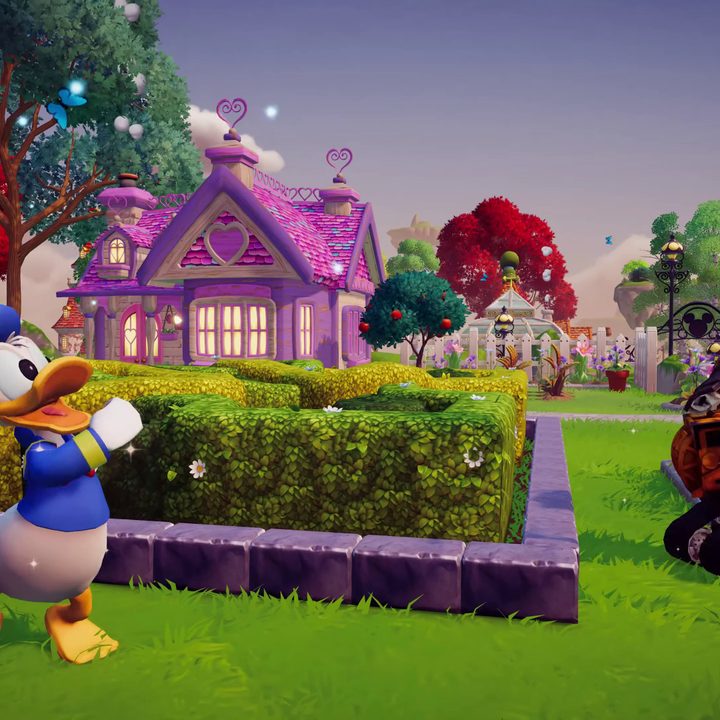
Animal Crossing games usually get right to the point, letting players build a new town without much of a storyline to bog them down. This is a great thing for folks who just want to get down to business, but Dreamlight Valley trades that thin premise for a considerably more detailed story and role-playing design. In this narrative-based approach, you follow a long and winding questline to solve the mystery of The Forgetting — an event that has caused all of the Disney characters to lose their memories.
While there is still plenty of freeform crafting, town-building, and laid-back events to partake in while playing Dreamlight Valley, its sports a variety of biomes to explore and quests to complete along the way to figuring out who’s behind The Forgetting. As you push the story forward, you’ll unlock new mechanics, skills, and more that will aid you in making your town everything you’ve dreamed it would be, all while expanding your friendships with each of the Disney characters who have taken up residence there.
It features tons of familiar faces
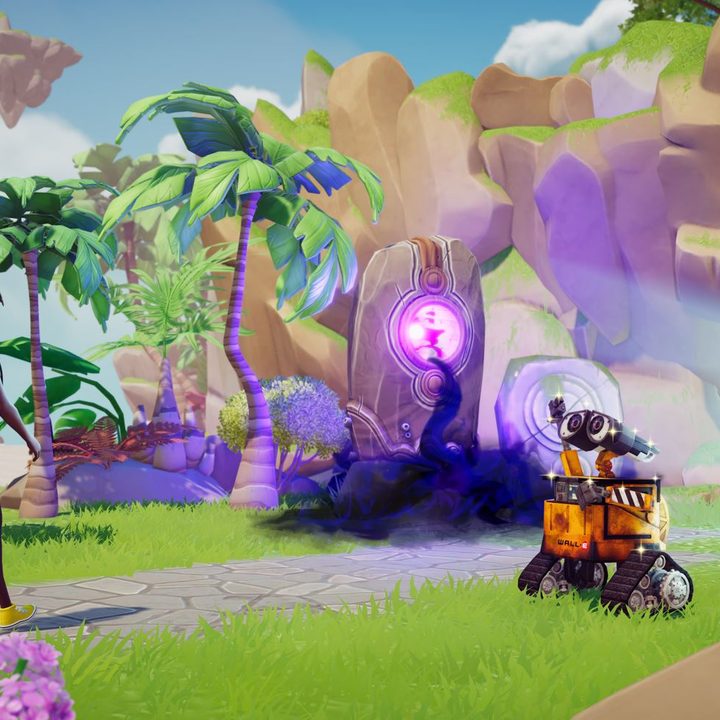
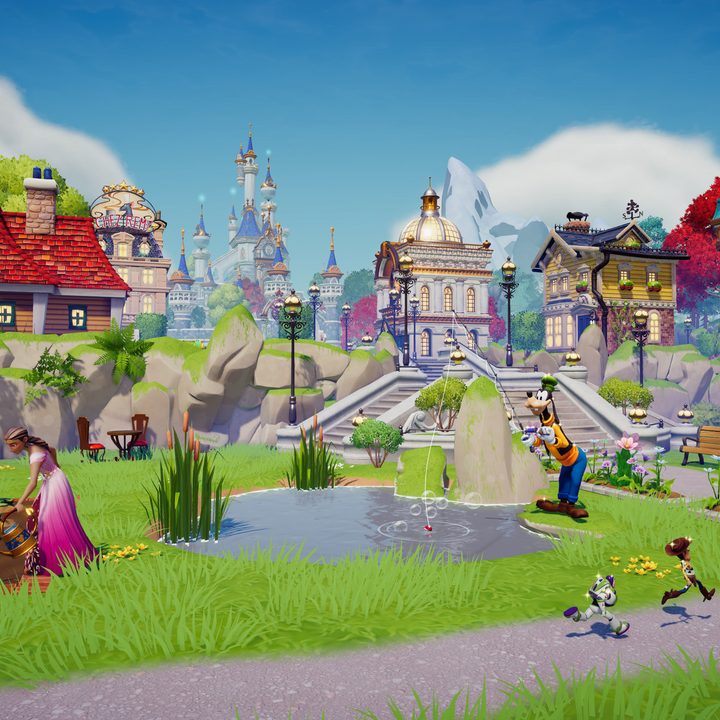
Animal Crossing has no shortage of adorable animal pals that can join your town, and many of them have become beloved and well-known enough to be recognizable even by a few folks who don’t even play the franchise. But you’d be hard-pressed to find someone who doesn’t recognize most of the massive lineup of Disney characters in Dreamlight Valley, from staples like Mickey Mouse, Goofy, and Scrooge McDuck to adored Pixar favorites like Moana and WALL-E.
As you meet these lovable Disney characters, invite them to live in or around your town, and begin to level up your friendship by completing quests with them, you’re rewarded with a vast array of items and cosmetics based on their individual movies. They even serve functional purposes that range from opening up entirely new features and granting you new tools, to simply hanging out with you to assist with your daily tasks. This increased incentive for cultivating deeper friendships with all of the characters makes Dreamlight Valley feel even more alive than you might initially expect.
It’s generally more convenient and efficient
Animal Crossing has long been the undisputed leader of life sims, and whether Dreamlight Valley will manage to make a mark anywhere near as big is yet to be seen. However, Animal Crossing has one major problem that even most diehard fans will admit: performing many tasks in the game can be immensely time-consuming and inefficient for no real reason at all. For instance, crafting has to be done one item at a time with needlessly long animations and pointless dialogue, while moving homes and other structures can take days of work and cost tons of money. This is before factoring in the frustration of replacing broken tools often.
Even in its early access state, it’s already a considerably more efficient experience. Crafting is an extremely fast and straightforward affair, and you can craft as many items as you want at one time. Meanwhile, every structure (including homes), plant, or piece of furniture can be moved at any time to nearly anywhere without spending money. As for tools — nothing to fear there, as your tools never break, meaning you can dig, mine, and fish all you’d like.
Food and farming serve a real purpose
Animal Crossing‘s food is largely aesthetic, with players only needing to chomp down on an occasional fruit to aid them in removing large trees more efficiently. For better or worse, Dreamlight Valley makes food a much more important component of its moment-to-moment experience, asking players to manage an energy bar by frequently consuming various ingredients or dishes. Despite the abundance of fruits to be harvested all around the town and beyond, keeping your energy up can prove to be a bit tedious — at least until you’ve mastered the art of cooking.
Energy runs out pretty quickly while performing tasks like mining, fishing, and digging, so it’s not unusual to spend a surprising amount of time opening up your inventory to eat some food. However, by cooking and eating high-quality dishes, you can give yourself plenty of bonus energy and reduce the frequency of needing to eat. As such, the game’s farming element becomes invaluable, as you won’t be able to make those top-notch dishes if you don’t have all the required ingredients. So if you enjoy the process of planting, harvesting, and cooking dishes, Dreamlight Valley has you covered.
It’s a free-to-play game
Perhaps the biggest and most important difference between Animal Crossing and Dreamlight Valley is that the latter is free-to-play — or at least it will be. Unless you have Xbox Game Pass, Dreamlight Valley‘s current early access period requires you to purchase one of its Founders Packs to play right now. However, when it fully releases in 2023, it will be entirely free to download and play on every platform.
As a free-to-play game, Dreamlight Valley has some monetization, but so far, it doesn’t seem to be particularly invasive. A timed battle pass system known as the Star Path allows you to unlock various Disney-themed items and cosmetics, and an upcoming in-game store will offer similar options. Developer Gameloft has promised there will be no paywalls or pay-to-win items in Dreamlight Valley, so things are looking good for those who want to play for free.
Disney Dreamlight Valley is in early access now on Xbox One, Xbox Series X/S, PS4, PS5, Nintendo Switch, and PC.