
It’s a huge week for Animal Crossing: New Horizons players. After a disappointing year devoid of meaningful updates, the cozy life simulator has gotten a massive update. That’s thanks to the game’s 2.0 build, which adds a sequel’s worth of features to the game. Perhaps more exciting is the game’s first and only paid DLC, Happy Home Paradise, which is included with a Nintendo Switch Online + Expansion Pack subscription or available to buy for $25.
Happy Home Paradise is essentially a spiritual sequel to Animal Crossing: Happy Home Designer, a stand-alone spinoff title that was released for Nintendo 3DS after Animal Crossing: New Leaf. The game was more focused than its freeform mainline counterpart as it only asked players to design houses for villagers. It was essentially a little puzzle game about fulfilling home requests that was charming, though didn’t feel robust enough for a stand-alone title.
It was just one example of the way Nintendo has struggled to capitalize on Animal Crossing’s success. The company tried a few spinoff titles to turn it into a more varied franchise, but nothing stuck. But now, with Happy Home Paradise, Nintendo has found a perfect solution to the series’ fatal flaw: Attach the side games to the main game.
In-game spinoff
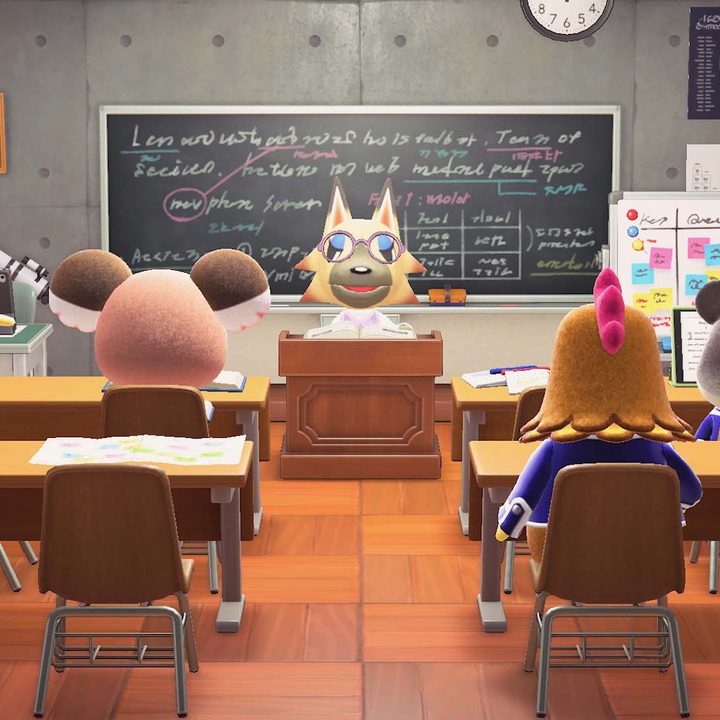
Happy Home Paradise quickly whisks players off to a new island that houses a self-contained game. Players are recruited by the Happy Home Academy to walk around the island, take requests from its inhabitants, and design their dream house. Villagers will offer a specific theme, like “sporty,” and ask that a few specific items be included in their home. Once players accept, they’ll be able to freely decorate both the interior and exterior of the house using a curated list of items (players don’t need to own the items to use them in designs).
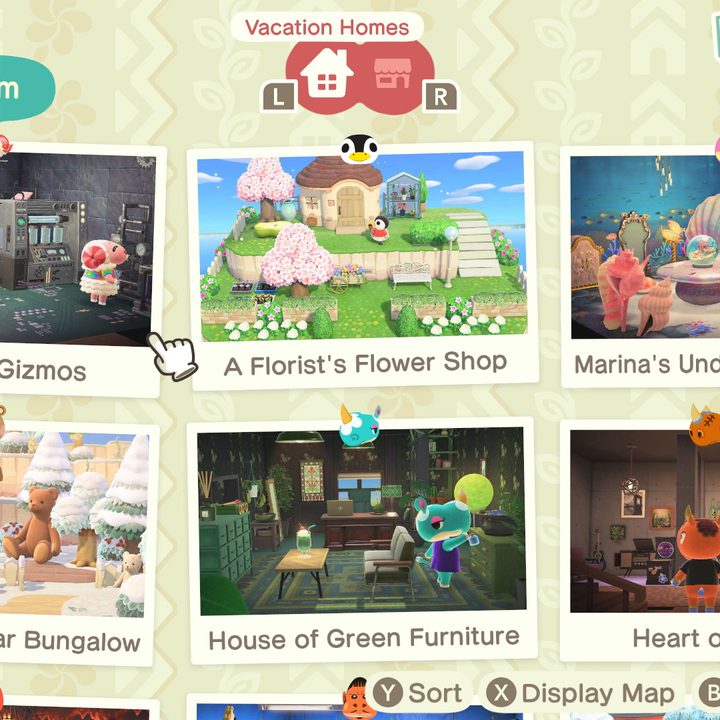
During a demo, I watched a player create a spa-like dream house complete with starry wallpaper and aromatherapy furniture. A list of other requests showed that players will build anything from a perfect coffee room to a toilet palace (don’t ask me what that means).
It’s a simple little puzzle game that puts players’ decorating skills to good use. They’ll get to design a series of homes, customizing everything from the outer façade to the actual dimensions of the rooms within. They can even adjust the environment the house appears in, seamlessly changing the season or time of day. Any design can be saved and adjusted after the fact, so players can keep tweaking as much as they’d like.
Had this been a stand-alone title like Happy Home Designer, I don’t imagine many people would pick it up. At the end of the day, home designing is one piece of a larger game. Spinning it off into its own side title seems reductive. Nintendo has wised up to that fact this time around, realizing that home decorating works better as a minigame.
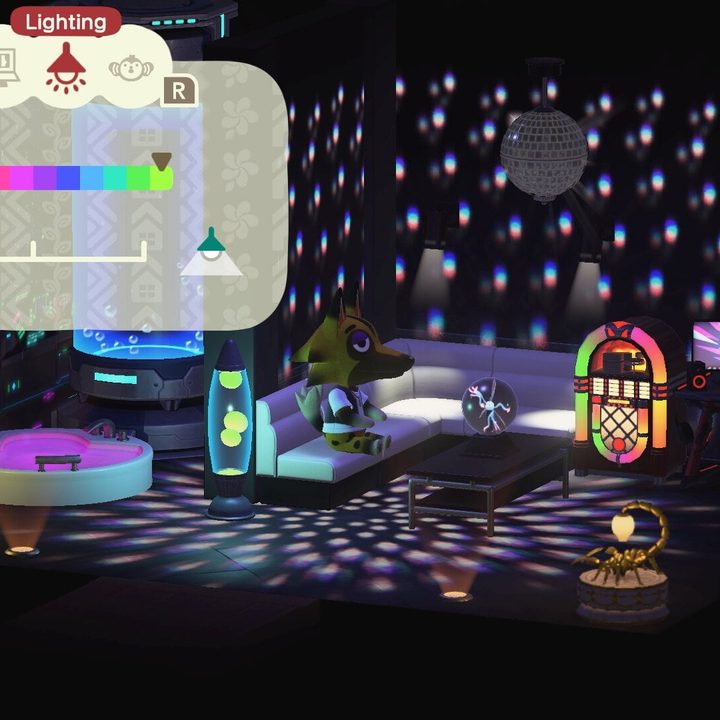
Minigames have long been part of Animal Crossing’s DNA. One could argue that the main game is just a series of smaller games compiled into a life simulator. Fishing is its own little sport, holidays like Bunny Day feature contained side -objectives, and New Leaf’s Roost Cafe (which returns in the 2.0 update) explicitly featured a coffee-making minigame. Going even further back, the main appeal of the first entry was that it included playable NES games, putting games within a game.
Animal Crossing: New Leaf took that one step further with its Welcome Amiibo update, which brought a survival board game called Desert Island Escape and a match-three puzzler to the mix. But Nintendo wasn’t simply content with launching one core game and loading it with free content. Happy Home Designer aimed to expand the formula with mixed success, but the company flew too close to the sun with Animal Crossing: Amiibo Festival. The Wii U spinoff was a full board game that utilized amiibo, almost like a Mario Party for the series. It was a total flop, critically and financially. The game reportedly sold less than half a million copies in its lifetime. Ouch.
Happy Home Paradise sees Nintendo accepting the fact that players only care about the core Animal Crossing experience, not the IP as a vague concept. They’ll check out creative new content that expands their island life, but not necessarily shell out for a separate purchase. Part of me wonders if players would actually engage with an Amiibo Festival take two if it was piped into New Horizons. It doesn’t matter how good the content is; it would just be another way to pass the time.
Unfortunately, Happy Home Paradise is said to be the game’s last paid DLC and it won’t get any major free updates either. Players have to hope that it’s enough to keep them going for years to come or that little updates here and there will be enough to keep it alive. That feels like a mistake. Happy Home Paradise is a smart new strategy for the series, solidifying the core Animal Crossing games as a sort of live service hub filled with activities. In a perfect world, New Horizons would continue to get support through the Switch lifespan, with spin-off ideas folded into the game. The game could turn significant updates into paid DLC, getting more money out of the series without the need for side-gambles.
Hopefully, Nintendo has learned its lessons from New Horizons’ whirlwind life cycle and uses it to build the ultimate installment down the line that keeps fans carrying out their cozy digital lives. Animal Crossing is the only metaverse I’d actually want to live in.
Animal Crossing: New Horizons’ Happy Home Paradise is available to purchase today for $25. It’s also included with Nintendo Switch Online + Expansion Pack subscriptions. New Horizons’ 2.0 update is free for all players.


