The 3.0 update for Monster Hunter Rise brings a new map, new armor, a new monster (technically two), and the narrative conclusion to the main story. We finally get a definitive answer to the fate of the quaint little village of Kamura and the Rampage that plagues it. While the main story has wrapped up, Capcom promises that a considerable amount of content is coming in the future. We’ll get new monsters, weapons, armor, and events over time.
So what does it really mean that the narrative story is over? Ongoing games like Monster Hunter Rise force us to rethink what it actually means to complete a game in the age of live service.
When does it end?
In Monster Hunter Rise, the story functions like other narratives in many live service games. Plot is really just a way for players to experience the mechanics and enemies at a steady pace before they get unleashed and begin the never-ending grind for gear and cosmetics. While there is a structure to the narrative with rising action, a climax, and all that other stuff your 9th-grade English teacher loves, it’s hardly what takes hold of us.
The story of Monster Hunter Rise doesn’t take any risks and fails to create believable stakes. Does it really matter that Kamura Village is “under attack” if we never see the town even remotely threatened? Sure, the village is technically being sieged during the Rampage Quests, but when a monster does break the final gate the screen merely fades out of color and a big “Quest Failed” stamp appears. Players return to the village completely undamaged, just to slam more Bunny Dango down their mouths and to find a new quest to burn.
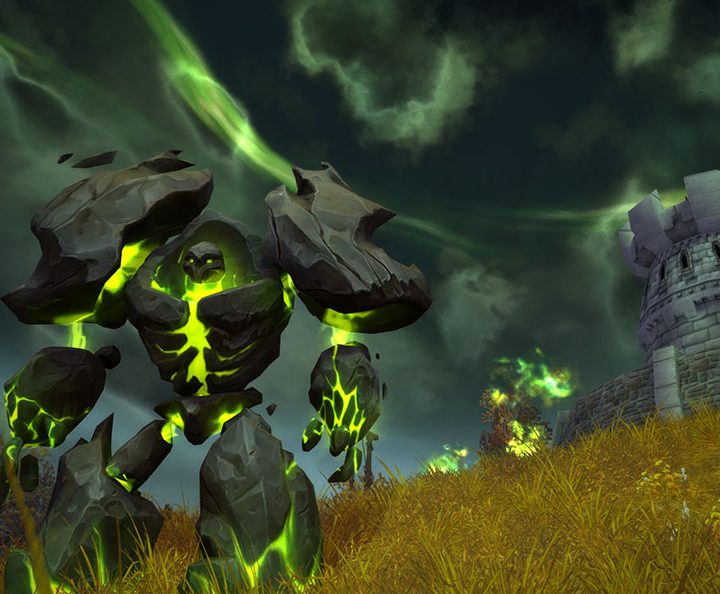
This is not a unique issue that Monster Hunter Rise has. Games like Destiny 2 and even World of Warcraft feature stretches where the “main plot” deals with truly apocalyptic events where the fate of the world (or worlds, or dimensions? Or planes? Outer space in WoW is weird) is at stake. That doesn’t stop the player hubs from appearing peaceful and unaffected by the events surrounding them. It doesn’t matter that a demonic army is supposedly threatening our existence; we still have plenty of time to work on our herbalism and potion-making.
For the most part, I think that is a fine way to handle games like this. Most players are not in it for the background lore; they’re more often there to toy with the systems and to see those big numbers fly when fighting enemies. However, this leaves the narrative of these games in an awkward position. How do we reconcile an aspect of a game with a definitive ending where many players would argue that these games don’t fully begin until that part is over?
Usually, when we say we have beaten a game it means that we have played through the entire game and it is acceptable to put the game down to focus on a new one. However, live service games are constantly updated with new content so the totality of the game is always expanding. One could reach the end credits and still potentially miss out on over half of the content that the game offers. Does it really matter that we saved Kamura Village from the Rampage when new and stronger monsters are going to keep popping up?
Games like Monster Hunter Rise do not end when the plot does, they keep going and going until the developers decide to stop adding new content to it. Only the final update to a game is the true ending of a live service game, regardless of narrative weight. That’s when the content stops, so that’s where the game ends.
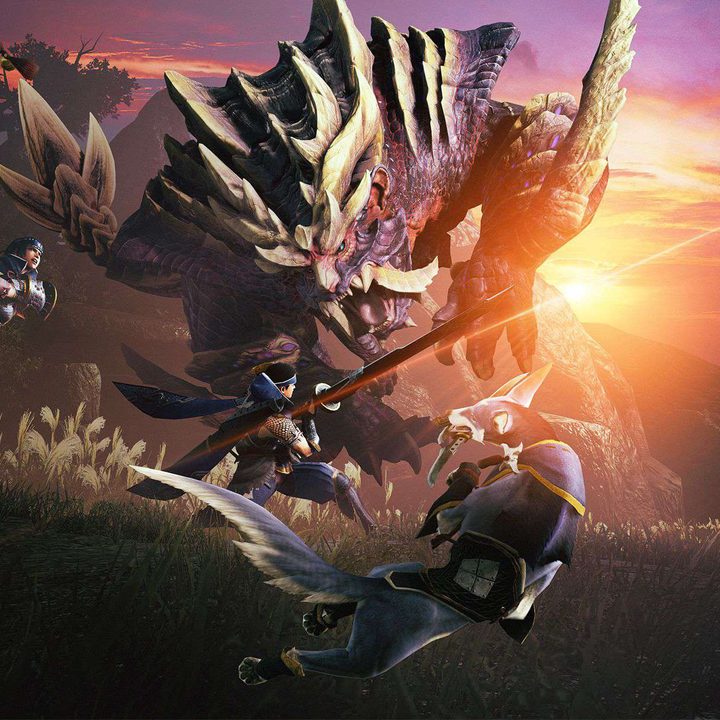
We have to look at the plot of live service games from a different perspective than we would for more typical games. The main stories of games like Monster Hunter Rise are just incredibly long tutorials. They introduce us to the mechanics, give us an explanation of the systems, and show off most of the content. Once players have poured about 16 to 20-plus hours into the game, they can confidently say that they have a strong understanding of what the game actually entails.
Maybe that’s the ultimate purpose of the main story in games like these. Rather than saying “I have completed the game” after reaching the end of a story arc, players should say that they now understand what the game is.
An ending is just a new beginning in games like this that gives us the freedom to tackle them in any way we want and at our own pace.