
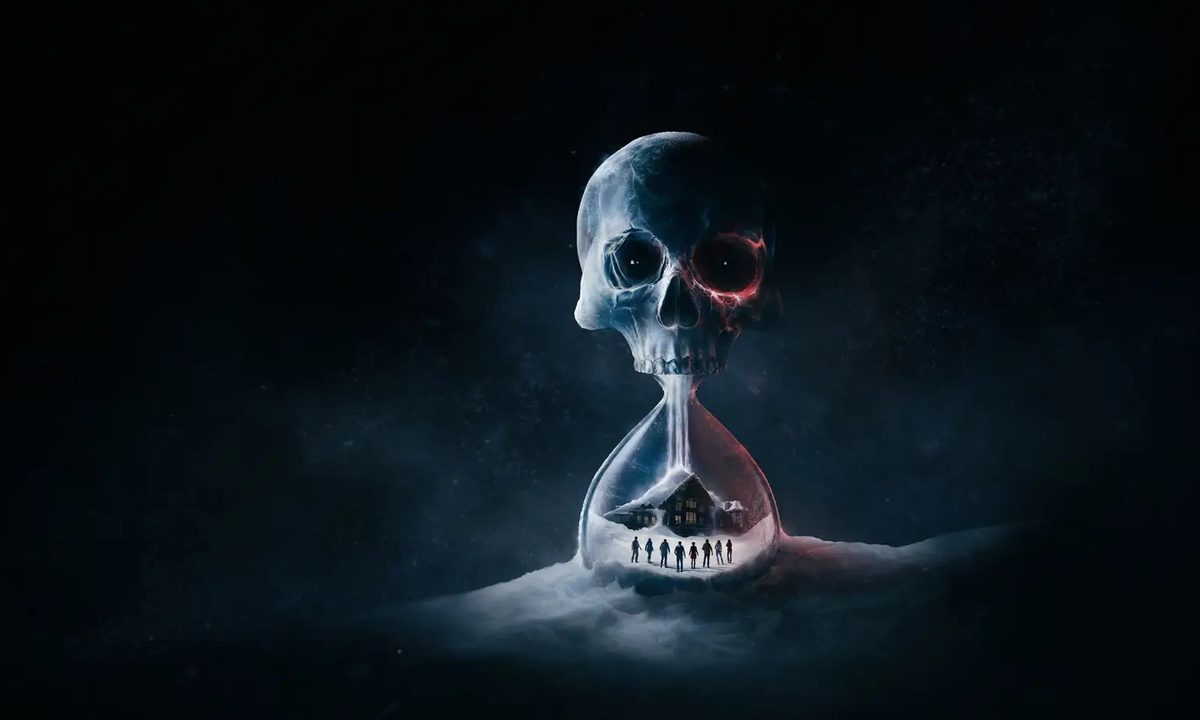
In 1998, Gus Van Sant remade the iconic horror film Psycho nearly shot-for-shot. While it’s still a solid film because of how well-made the original is, the reception for it was mostly mixed-to-negative because it didn’t do enough to justify its existence. The critics’ consensus on Rotten Tomatoes reads: “Van Sant’s pointless remake neither improves nor illuminates Hitchcock’s original.”
That’s exactly how I feel about Ballistic Moon’s Until Dawn remake for PlayStation 5 and PC.
Originally released for PS4 in 2015, Until Dawn is still one of the best narrative adventure games around. Its branching choices feel meaningful and make the player feel like they’re in control of a teen slasher narrative. It’s all backed up by a suite of amazing performances. All of that’s still true in the remake, but it changes the cinematography, color grading, soundtrack, and gameplay in ways that feel different rather than better.
Feeling blue
Until Dawn follows a group of friends tormented by a masked killer and grotesque creatures as they reunite in a remote cabin one year after two of their friends go missing after a prank. It’s not the most original horror narrative out there, but it works as a backdrop for a choose-your-own-adventure movie experience. The original Until Dawn came out when narrative adventure games like it were still the new hotness; it launched during peak Telltale and around the same time as Life is Strange. Nearly a decade later, the genre isn’t as thriving as it once was, but I recommend checking Until Dawn out if you’ve never played it before.
There’s still something novel about being put in charge of the events of a horror movie that still works nine years later. Actors like Hayden Panettiere, Rami Malek, and Brett Dalton also put in excellent performances that still hold up under some updated animations that enter the uncanny valley. The remake also features more accessibility options and lets players tone down the amount of gore shown if that bothers you. That’s about as far as its worthwhile improvements go, unfortunately.
From the prologue, I knew something felt off about Until Dawn on PS5. Looking at a playthrough of the PS4 original, I found several slight differences in the game’s opening. Events weren’t radically changed, Final Fantasy VII Remake-style, but it wasn’t a one-to-one re-creation like Dead Rising Deluxe Remaster. Ballistic Moon changed and added shots where it could without needing new voice lines and remixed the original’s soundtrack.
It’s understandable that this team would want to leave its mark on the remake. The problem is that these changes could have improved the game, but they don’t. While I’m not a big fan of the new soundtrack, the lighting and color grading changes are the most egregious tweaks. The original Until Dawn had intense shadows and a blue hue over everything, giving the game a sense of chilliness that added to its atmosphere. The remake drops all of that for more “realistic” shots, and lighting feel a lot more plain.
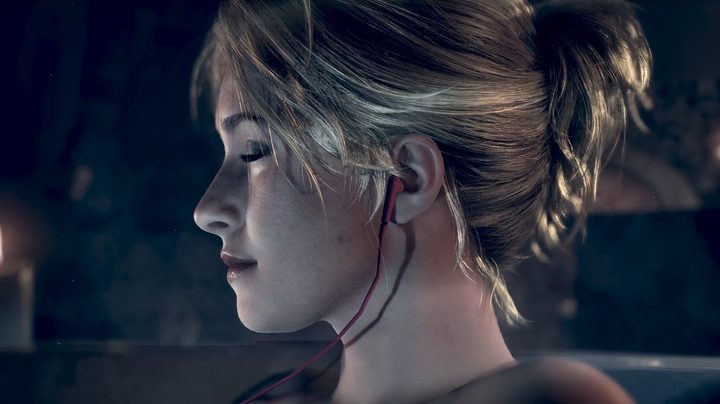
Until Dawn on PS5 may have more realistic lighting, but it detracts from the original’s style. I did not feel that there was any poignant artistic reasoning for this change, so it’s once again a place where Until Dawn makes itself feel different from what came before but not better. Van Sant making Psycho in color rather than black and white was his big change, but Psycho being in black and white is part of what made it so effective. By ignoring the stylistic choices of the originals, remakes like Psycho and Until Dawn show a lack of understanding of what made the media they’re remaking special.
An unnecessary change in perspective
More baffling changes were made on the gameplay front. While the original used fixed cameras at almost all times, this remake opts for an over-the-shoulder third-person camera in many segments. This change drains the tension out of many scenes. The fixed camera in the original Until Dawn felt effective because it made the player feel like monsters were always lurking just out of sight. In the remake, many of these segments feel no different than walking around in any other third-person game.
This change removes part of Until Dawn’s scare factor to align with the presentation of horror remakes like Resident Evil 2 and Silent Hill 2. Until Dawn isn’t an action game like those, though. It sacrifices artistic craftsmanship to feel more like a modern PS5 game and is worse off for it. I feel like the remake’s developers knew this deep down, too, as Until Dawn occasionally still uses a fixed camera shot when it’d be more effective than a over-the-shoulder camera. That reinforces why the change to the camera wasn’t needed in the first place.

I enjoyed reliving the events of Until Dawn, and if this remake is the first version you’ve experienced, you probably won’t have any major problems with it. That said, it’s cheaper to track down a PS4 copy, play that on your PS5, and watch the new post-credit scenes on YouTube. Sadly, I can’t say Ballistic Moon’s Until Dawn is an improvement over what Supermassive Games released nearly a decade ago, so it’s tough to recommend at $60. Like Van Sant’s take on Psycho, rebuilding doesn’t always mean improving.
The remake of Until Dawn is available on PS5 and PC. The original is still available on PS4, included in the PS Plus Extra game catalog, and playable on PS5.


