
DNA is an incredibly revealing thing. Just by looking at someone’s DNA, it’s possible to determine what kind of health problems that person is predisposed to. This kind of information is even more powerful when gathered en-masse and used to provide health insights into entire populations of people.
But there’s a problem. Despite the fact that genetic information is more abundant and accessible than ever, the vast majority of the DNA that scientists use for large-scale studies comes from people of European descent. African DNA is deeply under-collected and under-researched in comparison. Since Africa is the root of human evolutionary history, this information gap poses a significant obstacle to understanding how our bodies and diseases function.
But thankfully, the genetic research community is aware of this problem, and a number of organizations have sprung up to address these disparities.
The roots of the imbalance
“About 80% of participants in genome-wide association studies have European ancestry right now,” Alicia Martin, a geneticist at the Broad Institute, tells Digital Trends. “That’s a huge problem, and it emanates from a lot of different causes.”
“Africa has more genetic diversity than any other continent in the world …”/pullquote]Some of the biggest ones, she says, have cultural roots. Black Americans, for example, have historically been subject to racist practices in medicine and are therefore often less likely to trust people in medicine. Bias is, of course, likely part of this problem as well, as researchers may simply draw from communities they’re already familiar with. Another reason is that Europe is relatively homogenous, so it’s easier to study DNA from people with European ancestry.
Martin says there are concrete examples of how this disparity causes problems in health research — like the fact that predicting health outcomes is four to five times more accurate for people with European ancestry than for people with African ancestry. Furthermore, she says this isn’t just a problem for people with African ancestry, it’s a problem for everyone.
“Africa has more genetic diversity than any other continent in the world, and there’s a lot that we just do not understand about diverse African genomes,” says Shawneequa Callier, a bioethicist at George Washington University. “There’s still a lot we don’t understand about the genomes of African Americans as well.”
“Humans originated in Africa,” adds Martin. “That means African ancestry populations tend to be the most valuable for understanding the genetic basis of disease and understanding the causes of disease from a genetics perspective, because we’re able to hone in on specific genetic variants more accurately just as a function of this human history,” Martin says. “There’s a lot that African ancestry populations can teach us that we’re simply not learning because of these study biases.”
Essentially, we can better get to the root of the health problems we all face with African DNA because Africa is where everything started.
Bridging the genomic gap
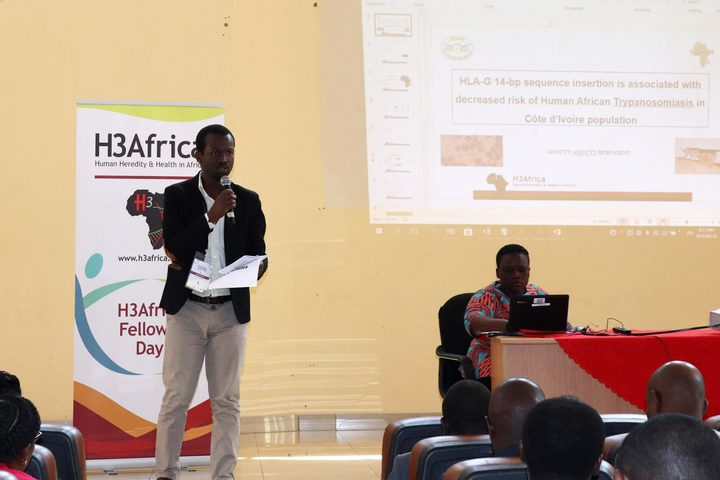
One organization working to fix this issue is H3Africa: An initiative focused on studying the genetics of people in Africa. It essentially funds the building up of genetic research infrastructure in Africa and trains researchers in Africa to do the work.
“With initiatives like H3Africa — where there’s funding for investigators in Africa to engage in genomics research, to research issues related to scientific priorities in Africa, the funding rules require that the investigators in Africa are the first to publish data, or that they have a certain time period that will help them be the first to publish their data –those are steps in the right direction,” Callier says.
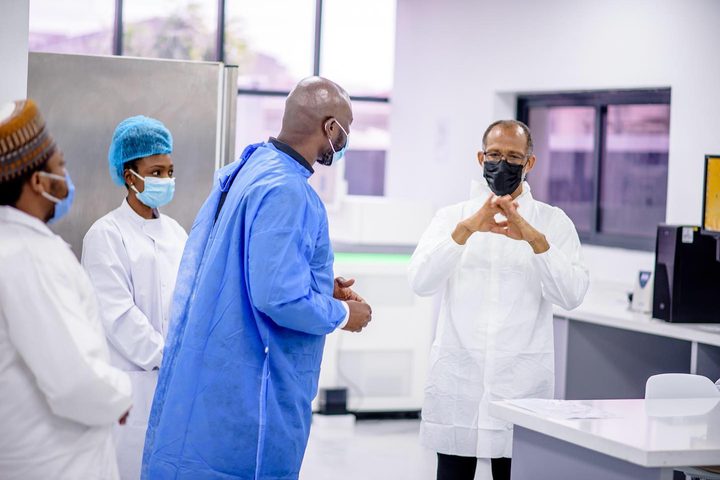
H3Africa isn’t alone, either. Recently, Nigerian startup 54gene has begun working with hospitals in Africa to collect African DNA samples that can be used for genetic research. There’s also the All of Us Research Program from the National Institutes of Health, which aims to collect 1 million or more DNA samples from Americans to help benefit medical research. Part of the program’s core mission is to make sure that its database is representative of the American people, which means it won’t be disproportionately DNA from people with European ancestry like we’ve seen in the past. But even with this increased interest and attention in African DNA, Martin says there’s still more work to do to address this problem.
“With African ancestry populations, it would be great if they could participate more in these studies, but they need to be offered to participate in these studies, and there needs to be trust built to ensure that these genetic tests are not going to be misused in any way,” Martin says. “It would be great if there was a building of research capacity within different communities to empower, let’s say, African American investigators to be key leaders of genetics research into African Americans.”
This problem won’t be easy to fix, but if the genetic research community further invests in diversifying our DNA databases, helps more people with African ancestry get involved in this work, and elevates people with African ancestry who are already involved in these projects, then we should be able to greatly improve these databases. Addressing this problem will not only benefit people with African ancestry but will benefit genetic research overall.


