The Apple TV 4K has remained one of the more consistent products in Apple’s lineup. Updates have improved performance and added features, but the overall experience has stayed largely the same. It has been reliable, polished, and predictable.
That may not hold true for much longer.
The next Apple TV 4K is shaping up to be a more meaningful update, not because of a single feature, but because of how several changes come together. The rumored shift to a new chip, deeper integration of Apple Intelligence, improvements in video and audio handling, and a stronger role in the smart home ecosystem all point toward a device that is being repositioned rather than simply upgraded.
A new chip could unlock a different class of features
One of the most important rumored upgrades is the move to the A17 Pro chip, replacing the A15 Bionic in the current model.
The immediate assumption is better performance, which will certainly be part of the story. Faster app launches, smoother multitasking, and more responsive navigation are expected outcomes. The more significant implication lies in what the A17 Pro enables.
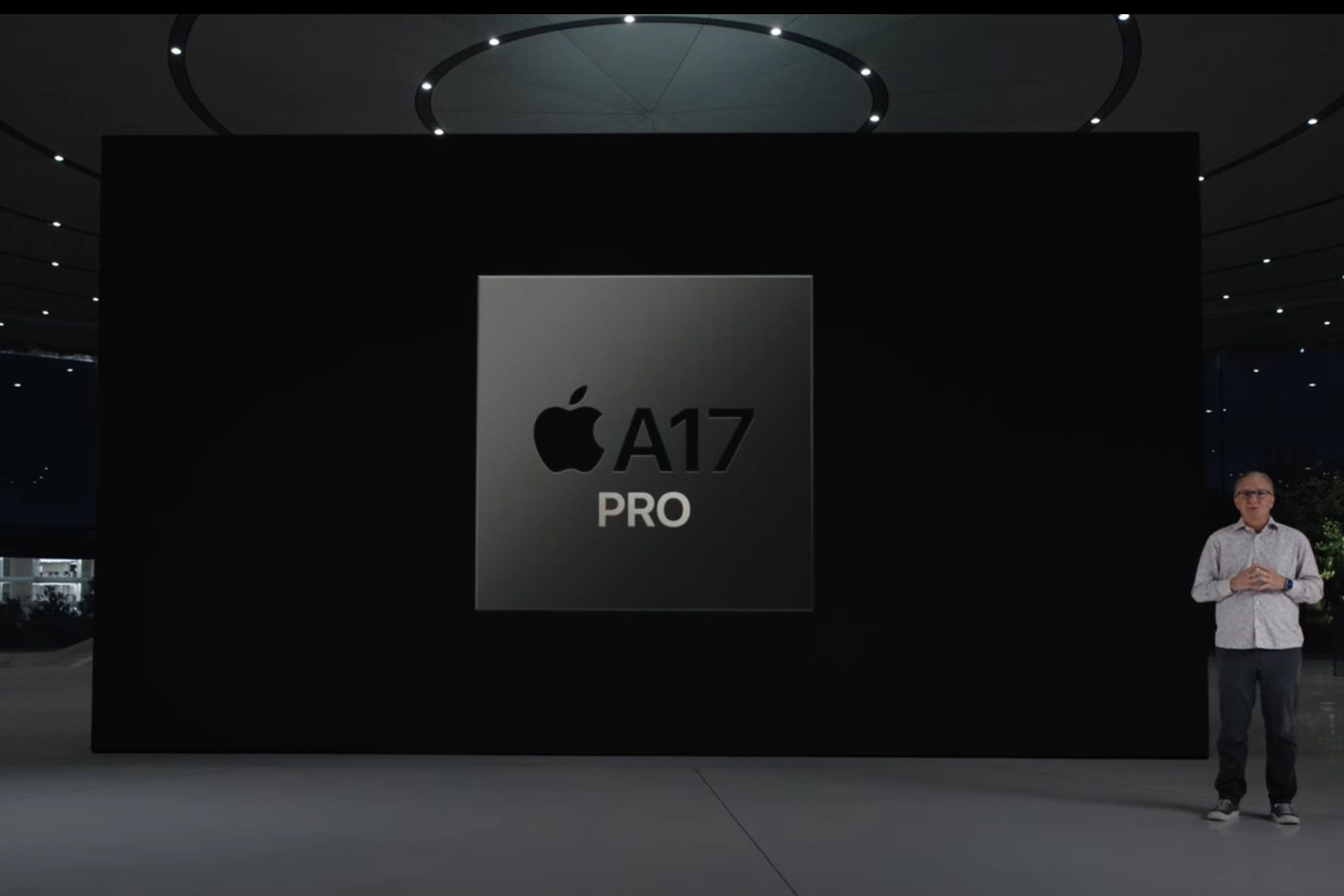
This chip is the baseline requirement for Apple Intelligence, and the Apple TV is currently one of the few Apple products that does not support it. Bringing that capability to the television shifts the device from being a passive content player to something more interactive and context-aware.
Siri could become far more capable in everyday use
Apple Intelligence is closely tied to the next evolution of Siri, which is expected to move well beyond basic voice commands. Features such as app intent integration, personal context awareness, and on-screen understanding are all part of this transition.
In practical terms, this changes how users interact with their TV.
Instead of relying on specific phrasing or limited commands, interactions become more natural. A viewer could ask who an actor is, request a summary of a scene, or understand why a moment in a show matters, and the system would respond with awareness of what is currently on screen. This extends across apps, rather than being limited to a single platform.
The impact becomes even more noticeable when the Apple TV is used as a smart home hub. Actions such as responding to a doorbell notification or controlling connected devices can be handled through contextual commands that take into account both what is happening on screen and what the user is trying to do. This creates a more seamless interaction model that feels less like issuing instructions and more like direct control.
Video enhancements could improve real-world viewing
As hardware evolves, video technologies tend to follow, and this update could coincide with improvements in Dolby Vision capabilities.

Features such as enhanced black detail aim to improve visibility in darker scenes without compromising artistic intent. Adjustments based on ambient lighting conditions help maintain consistent picture quality across different environments. Additional optimizations for sports and fast-moving content focus on improving clarity and motion handling.
These changes build on Apple’s existing calibration tools but move toward a more adaptive system that responds dynamically to viewing conditions rather than relying solely on manual adjustments.
Connectivity could become more consistent across devices
Another rumored addition is Apple’s N1 networking chip, which consolidates Wi-Fi, Bluetooth, and Thread connectivity.
For a device that already functions as a smart home hub, this has clear practical benefits. Improved network stability leads to more responsive smart home controls, faster pairing with devices, and more reliable communication between products within the Apple ecosystem.
Features such as AirPlay also benefit from stronger connectivity, reducing latency and improving consistency when streaming or sharing content across devices. These improvements may not always be immediately visible, but they address some of the underlying friction that affects everyday use.
A built-in camera could expand how the device is used
There is also continued speculation around a built-in camera.
At present, video calling on Apple TV requires using an iPhone as the camera, which introduces additional steps and setup. A dedicated camera with features such as Center Stage tracking would simplify this process and make it more accessible.
This also opens the possibility of multiple product tiers. A standard Apple TV 4K could remain focused on media consumption, while a higher-end version incorporates features that support communication and more advanced smart home interactions. Recent software updates, particularly in FaceTime functionality, suggest that Apple is preparing for this type of hardware integration.
Audio support could finally match high-end setups
Audio pass-through is another long-requested feature that may be introduced with this update.
Currently, the Apple TV handles audio decoding internally. While this works well in many cases, it can limit flexibility when used with dedicated audio equipment such as receivers. Pass-through would allow external systems to handle decoding directly, improving compatibility with a wider range of audio formats and setups.

For users with more advanced home theater configurations, this represents a meaningful upgrade that aligns the Apple TV more closely with high-end audio systems.
The timing points to a larger strategy
Current expectations place the launch around spring 2026, a window that aligns with Apple’s broader push into smart home products.
If new devices such as smart displays, connected cameras, or other home accessories arrive alongside it, the Apple TV becomes part of a more cohesive ecosystem. It already serves as a central hub, but with deeper integration and AI-driven capabilities, its role could expand into something more active within that environment.
A shift in what the Apple TV is meant to be
What stands out across these rumored updates is the direction they collectively suggest.
The Apple TV 4K has traditionally been positioned as a premium streaming device with strong performance and a polished interface. These changes indicate a move toward a broader role that combines entertainment, smart home control, and intelligent interaction.
The success of that shift will depend on execution. Features like Apple Intelligence and enhanced Siri need to work reliably across different scenarios to deliver on their promise.
If they do, this could represent one of the more meaningful updates the Apple TV has seen in years, not because it changes what the device is, but because it expands what it can do.