  1. Home
  2. Audio / Video
  3. Legacy Archives

Full HD 3G Glasses Initiative wants to standardize 3D glasses

Add as a preferred source on Google
sony-active-3d-glasses
Image used with permission by copyright holder

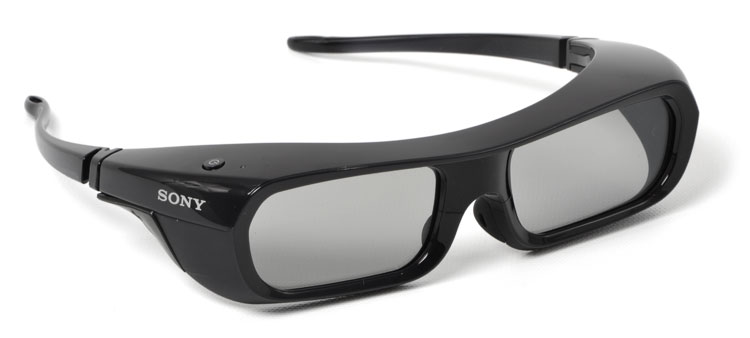
The entertainment industry might have its panties in a bunch over 3D technology, but so far consumers still seem wary, with sales of 3D-capable HDTVs and 3D content perhaps generously described as lukewarm. Part of the hurdle for consumers might be the hassles of those big, bulky, clunky, awkward 3D glasses: 3D shutter glasses from a Sony 3D television don’t work with a system from Panasonic, and neither of those systems work with (say) the Nvidia 3D Vision technology buyers might have been considering for a gaming PC. And while most sets come with a pair or two of shutter glasses, extra pairs are pricey.

Now, leading electronics companies Panasonic, Samsung, Sony, and Xpand 3D have announced a new “Full HD 3D Glasses Initiative” that aims to create joint licensing for existing Bluetooth and IR-controlled 3D shutter glasses so glasses can be compatible across a wide range of 3D displays—including TVs, computers, projectors, and 3D theaters.

Recommended Videos

Existing 3D glasses use a variety of technologies and protocols to communicate with 3D displays: Panasonic and Sony currently use technology that relies on infrared transmission (like remote controls) where Samsung currently uses Bluetooth-based technology to handle its 3D glasses. The Bluetooth SIG is backing the initiative, and the industry has generally been eyeing Bluetooth solutions to provide greater range and freedom of movement.

The group aims to create a new, licensable technology standard for 3D glasses that can be used by a variety of manufacturers, but that will also provide backward compatibility for 3D shutter glass technologies in the companies’ 2011 product lines. Samsung and Sony will be contributing their proprietary protocols to the group, and the IR protocol developed by Panasonic and Xpand 3D will also be in the mix. As a result, the new “universal” glasses will be compatible with current products from those companies that use their protocols.

Although there’s no word on whether other consumer electronics and 3D technology developers will embrace the standard, there’s still a bit of time to get on board: the group hopes the first products using the “universal” protocols will start to reach the market in 2012.

Geoff Duncan
Former Contributor
Geoff Duncan writes, programs, edits, plays music, and delights in making software misbehave. He's probably the only member…
DJI Osmo Pocket 4 takes aim at low-light video and fast action
The new model combines a 1-inch sensor, 4K slow motion, and updated controls in a compact body
Camera, Electronics, Video Camera

DJI has unveiled the Osmo Pocket 4 with a familiar goal, better video from a camera small enough to carry anywhere. The standout upgrade is a 1-inch CMOS sensor, which should help it hold onto more detail in dim scenes while also giving fast-moving footage a cleaner look.

DJI also says the Osmo Pocket 4 can shoot 4K video at up to 240fps, while adding 14 stops of dynamic range and 10-bit D-Log support. That gives solo shooters a stronger mix of slow motion, highlight control, and grading headroom without moving up to a much larger setup.

Read more
Amazon reveals slimmest Fire TV Stick HD that no longer needs a wall adapter
Amazon made its best budget streaming stick even better at $35.
amazon-fire-tv-stick-hd

Amazon just refreshed one of its most popular streaming devices. The new Fire TV Stick HD is officially here, and it is the slimmest Fire TV device Amazon has ever made. At $34.99, it is available for preorder right now and ships April 29.

What's new with the Fire TV Stick HD and how is it different?

Read more
These camera-equipped earbuds offer a wild glimpse at the future of AirPods
These experimental earbuds show how AirPods could get a lot smarter
A team of researchers at Washington University built VueBuds TWS with a built-in camera

Wireless earbuds have already become the default wearable for a lot of people. This is why this new research feels more interesting than yet another smart glasses demo. Researchers at the University of Washington have developed VueBuds, a prototype system that adds tiny cameras to off-the-shelf wireless earbuds so users can ask an AI model about whatever is in front of them.

How does this work?

Read more