Let’s get this out of the way now. OLED is absolutely undefeated when it comes to contrast and viewing angle. If I had the budget to build a dedicated home theater space in my home, and money was no object, I would be mounting the largest OLED TV I could get my hands on in that space. Something like LG’s 98-inch G5 OLED, which would run me a cool $25,000.
Alas, most of us don’t have that kind of pocket change lying around, and most homes don’t have purpose-built blacked-out home theaters. For most of us with regular living rooms in our homes or apartments, we’re contending with windows, lamps and overhead lights in a space that serves as the living center of our home. This is where our kids watch cartoons, where we catch the big game and where we do family movie nights. I’m increasingly skeptical that OLED is the best choice for most families. MiniLED TVs are cheaper, brighter and nearly as stunning.
OLED is brighter than ever, but the goalposts keep moving
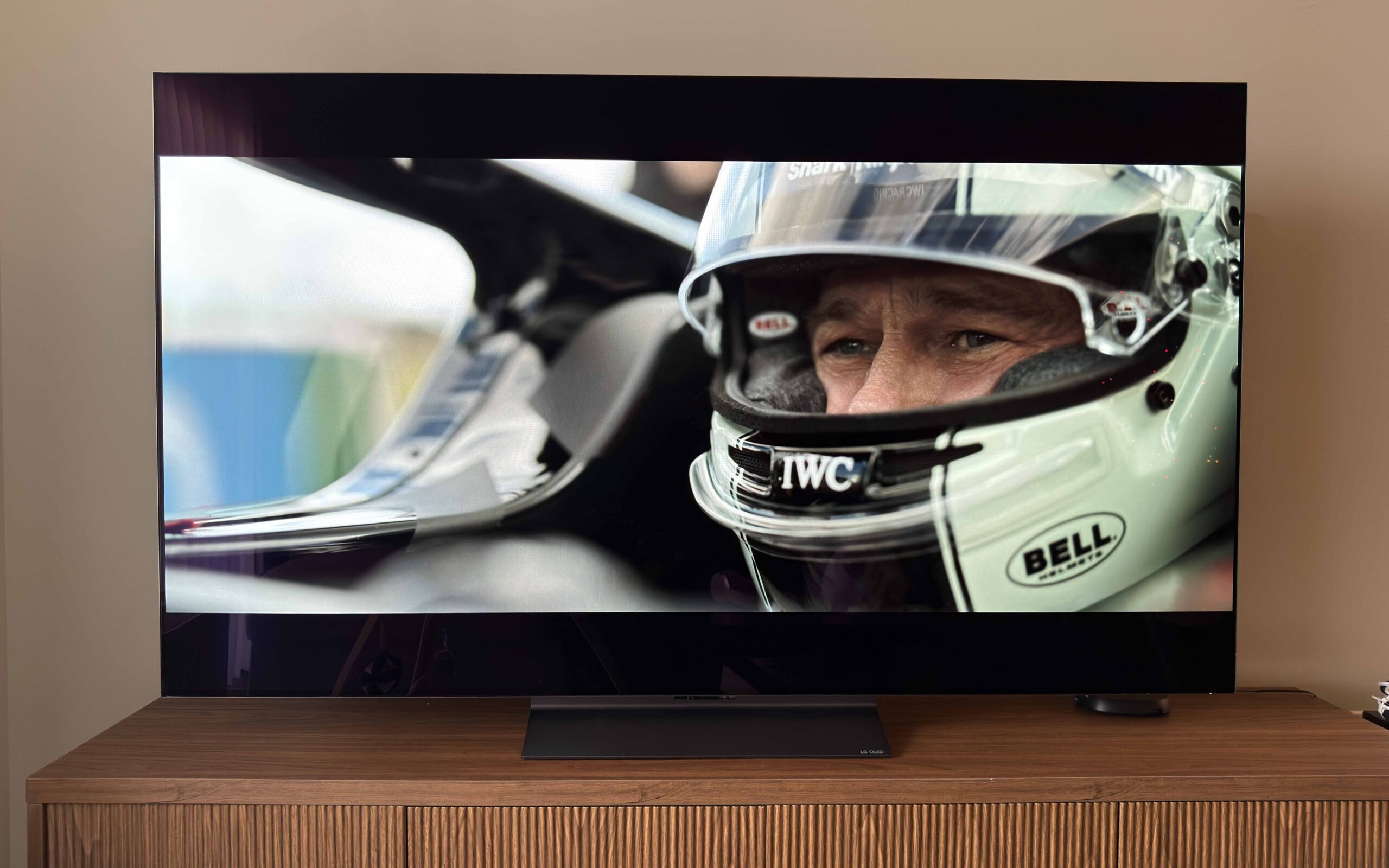
The LG C5 is plenty bright for an OLED panel and is enough to ward off some mild indirect reflections. The image above was captured during a scene in Dolby Vision, with the shades on my living room windows open. If you look really closely, you can spot them, but they aren’t overly distracting. Each year, LG’s OLED lineup and OLED TVs overall keep getting brighter. Models like Samsung’s S95F and the LG G5 lead the way this year, pumping out over 2,000 nits in peak HDR brightness and over 700 nits of overall brightness when watching SDR content.
OLED brightness has come a long way in a short time. The peak brightness in HDR on the LG C5 is more than a 50 percent improvement over the LG C1 from just four years prior. But in the meantime, television manufacturers have been using MiniLED to push the limits on TV brightness to insane figures like the TCL QM9K’s 5,500+ nits of peak brightness in HDR. As the goalposts keep moving, OLED stays in the rear view.
High cost of OLED remains a serious factor
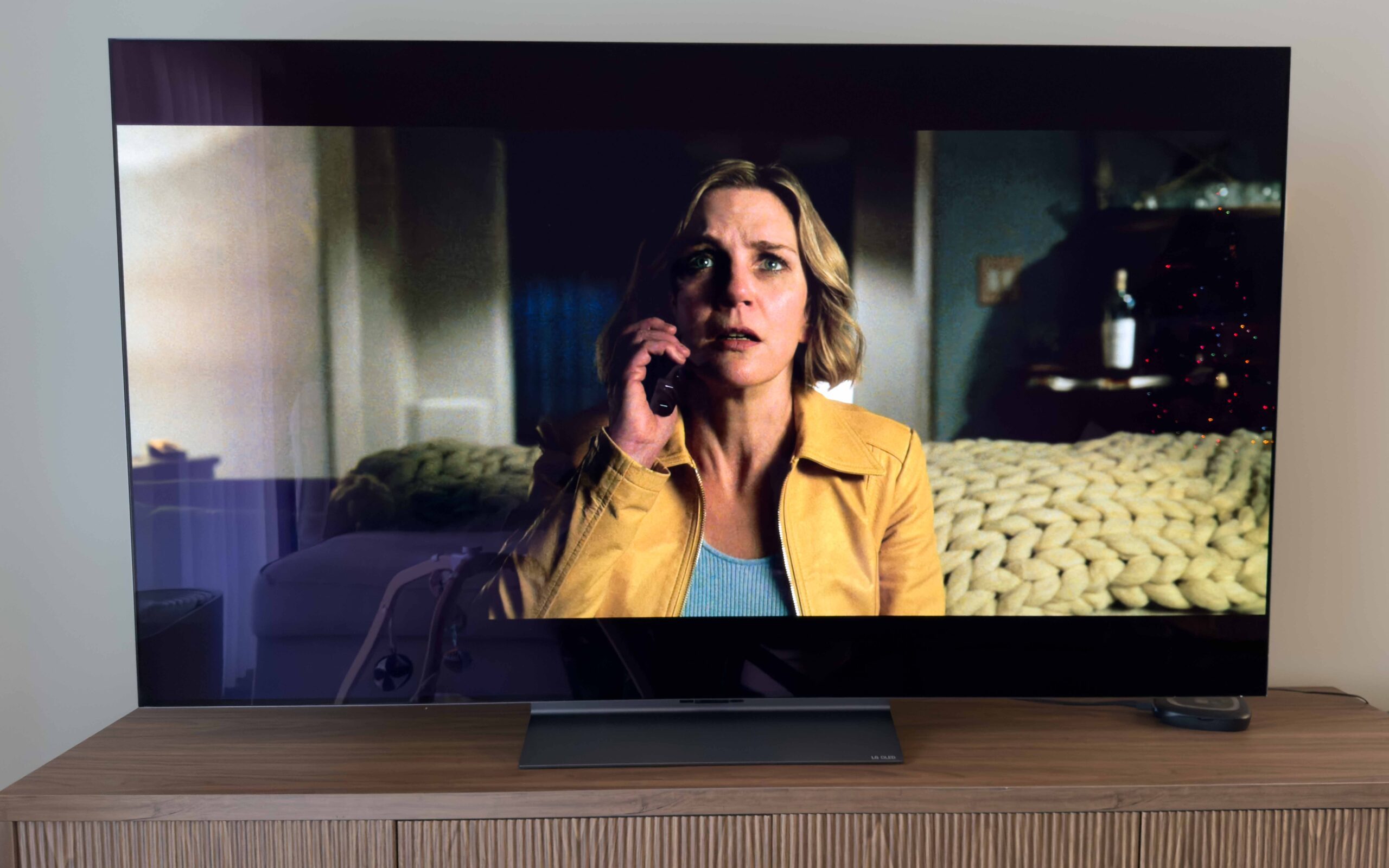
Remember that dream TV I talked about putting in my hypothetical media room? If you thought $25,000 sounded like a lot to pay for just 98 inches, that’s because it is. You can pick up a fantastic 98-inch MiniLED for less than $4,000 these days. The issue is that OLED panels get exponentially more expensive as they get larger. Gamers are already very familiar with this concept when comparing a 27-inch OLED monitor to a 32-inch or larger.
OLED TVs like the LG C5 are premium products, and at least in the C5, it shows in the TV’s build quality and design choices. There might be some savings to be had by not striving to make the thinnest, most aesthetically appealing product possible, but I doubt that a thicker housing or one made of plastic would close the gap by much.
TVs like the LG C5 OLED will keep finding buyers
The LG C5 OLED was a joy to live with for a cinephile like myself. At night, with the sun down and the lights off, I enjoyed cinematic content with the rich contrast and perfect blacks that only OLED can deliver. Everything from scenes in space to darkly lit rooms was just gorgeous with zero light bleed, zero halo effect and perfect black uniformity. For anyone who spends the majority of their time watching content in this sort of setting, the LG C5 and other OLED TVs like it remain a solid choice. But on brightness, price and practicality, I’m afraid OLED keeps falling behind.