
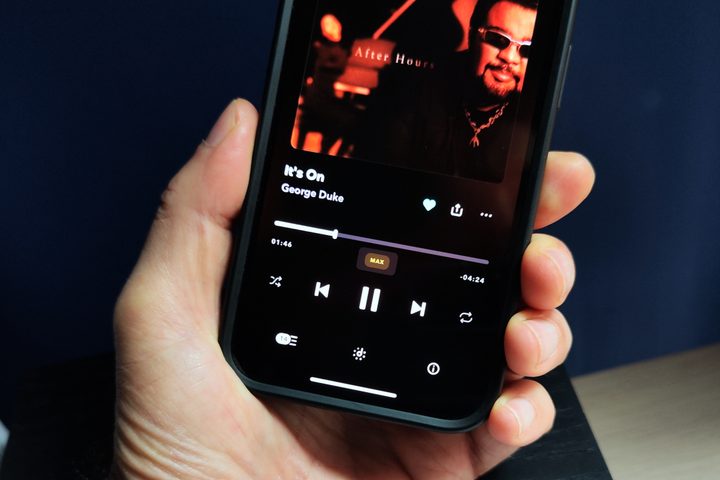
Tidal has announced that it’s simplifying its subscription tiers by putting its lossless, hi-res, and spatial audio content into a single, ad-free $11 per month individual plan, starting on April 10.
After that date, Tidal’s existing HiFi and HiFi Plus subscription tiers will cease to exist. Previously, if you wanted to access hi-res lossless and spatial audio formats like Dolby Atmos Music and Sony 360 Reality Audio, you needed to pay $20 per month for Tidal HiFi Plus.
The move puts Tidal on an equal footing with Apple Music and Amazon Music, which also include all of their available content in a single paid subscription.
For years, Tidal was able to (somewhat) justify its $20 per month plan through its streaming monopoly of the MQA format. However, in 2023, Tidal said that it would begin phasing out its library of music in the MQA format, replacing it with the open-source FLAC format, thereby eliminating one of the few things that set it apart from its biggest competitors. Tidal says that as of December 2023, its hi-res FLAC catalog is four times as large as its MQA catalog and growing. Tidal gets, on average, 200,000 new hi-res tracks per week.
After April 10, the three Tidal subscription options will be the Individual plan for $11 per month, the Family plan (for up to 6 family members) for $17 per month, and the Student plan (discounted for current students) for $5 per month. All three plans will have access to over 110 million tracks in lossless audio, hi-res FLAC, and Dolby Atmos Music.
For those who want to be able to access the Tidal library via software- and hardware-based DJ tools, an add-on fee of $9 per month will be needed.
Unfortunately, even though it has added more value to its $11 per month plan, the company has also taken some options off the table. Starting April 10, 2024, users who were on the Tidal Free tier will need to switch to a paid subscription. The discounted Military/First Responder plans are also being phased out, however, any existing customers on these plans can keep them until June 10, 2024.
With Tidal streamlining its offering to match Apple Music and Amazon Music, the focus now shifts to Spotify, which remains one of the only streaming services without any options for lossless, hi-res, or spatial audio content. It has repeatedly said that a lossless Hi-Fi tier is in the works, but so far, it has failed to announce a launch date.


