
ATSC 3.0, otherwise known as NextGen TV, is a whole new way of delivering free, broadcast TV over the air (OTA), and 2020 will be the year most Americans can get their first taste of the new experience. But what exactly is ATSC 3.0, and how and where can you get it?
The 101 of ATSC 3.0
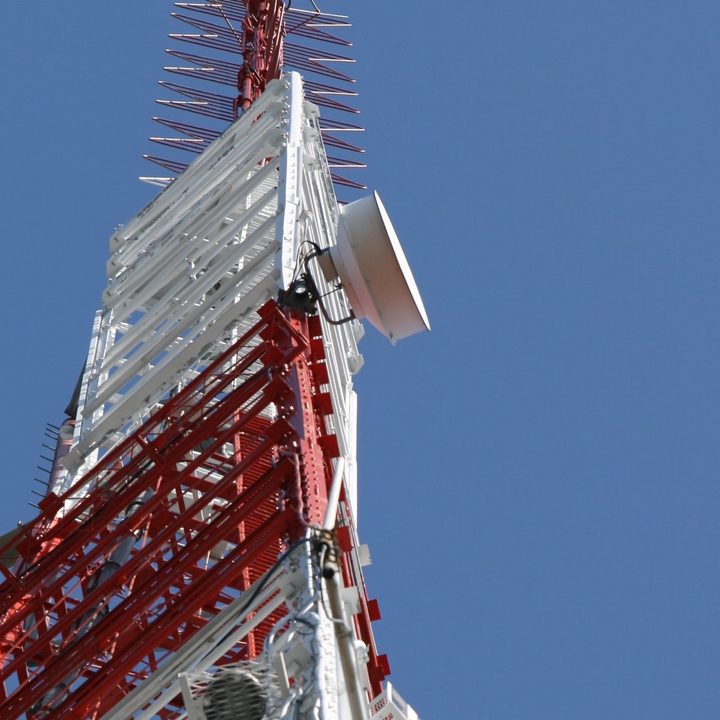
We won’t get into all the nitty-gritty of ATSC 3.0 here. If you care to take a deep-dive into the technology, check out our in-depth ATSC 3.0 explainer. For those who are short on time but long on curiosity, here’s the CliffsNotes summary: ATSC 3.0 is the latest technical standard for broadcast TV, and it contains a slew of upgrades over existing free OTA TV, including higher resolution (4K or better), high dynamic range (HDR), and even advanced surround sound with the potential for 3D formats like Dolby Atmos.
In short, it will do for free OTA TV what 4K ultra-HD Blu-ray did for disc-based movies. Yep, it’s quite an upgrade.
When is ATSC 3.0 happening?
Right now. There are already a few local stations in the U.S. that have begun broadcasting in ATSC 3.0. It’s still very early days, and none of these stations are pumping out 4K HDR movies in Dolby Atmos for anyone within range of the TV towers, but the roll-out of ATSC 3.0 has started, and it will continue to grow.
A “Spring 2020 Progress Report” released in May 2020 by the Advanced Television Systems Committee — the industry group behind the new standard — spotlighted plans to roll out the service this summer. It noted more than 80 NextGen TV product and technology highlights, promising more markets would adopt the service in the weeks to come.
Where can I get ATSC 3.0?

Starting on July 29, seven stations in the Portland, Oregon, area began ATSC 3.0 broadcasts, including Meredith-owned KPTV (Fox) and KPDX (MyNet), Nextsar’s KOIN (CBS) and KRCW-TV (CW), Sinclair Broadcast Group’s KATU (ABC), Tegna’s KGW (NBC), and KOPB-TV (PBS), according to TVTechnology.
Five Nashville stations — WTVF (CBS), WKRN-TV (ABC), WZTV (FOX), WUXP-TV (MyNet), and WNAB (CW) — began broadcasting the new standard on June 23, joining three stations in Pittsburgh — WPGH (Fox), WTAE (ABC), and WPNT (MyNet) — which turned things on a week earlier.
In late May, four Las Vegas, NV stations, KSNV, KVCW, KLAS, and KTNV, began ATSC 3.0 broadcasts.
In all, we’re expecting 40 cities throughout the U.S. with ATSC 3.0 broadcasts by the end of the year. At least, that’s what we were told to expect in 2019 when the National Association of Broadcasters held its annual meeting in Las Vegas.
ATSC.org now maintains this helpful map, which shows existing ATSC 3.0 deployments and the date for planned expansions in other U.S. markets.
“Broadcasters including Sinclair, Nexstar, Fox Television Stations, and NBCUniversal, along with industry consortiums including SpectrumCo and Pearl TV, announced 40 U.S. markets that will be getting ATSC 3.0 by the end of 2020. Those markets include Dallas-Fort Worth, Texas; Houston, Texas; San Francisco-Oakland-San Jose, California; Phoenix, Arizona; Seattle-Tacoma, Washington; Detroit, Michigan; Orlando-Daytona Beach-Melbourne, Florida; Portland, Oregon; Pittsburgh, Pennsylvania; Raleigh-Durham, North Carolina; Baltimore, Maryland; Nashville, Tennessee; Salt Lake City, Utah; and San Antonio, Texas,” according to a report by Fierce Video.
Unfortunately, a combination of licensing issues and world events has slowed these plans somewhat. Currently, the FCC has received only 24 applications to begin using ATSC 3.0.
What do I need to watch ATSC 3.0?

Wondering how to prepare for NextGen TV? Here’s the thing: Even if you live in an active ASTC 3.0 market, you won’t be able to watch NextGen TV without investing in some new hardware. Fortunately, if you already have an HDTV OTA antenna, it will work just fine for ATSC 3.0. However, your existing TV — even if it’s a brand new 4K HDR TV you bought last year — is not directly compatible with the new format. To watch ATSC 3.0, you’ll need a compatible external tuner and/or DVR.
Which brings us to the next gotcha: Despite the ATSC organization having said, back in January, that there will soon be ATSC 3.0 tuners for folks to buy, we have yet to see a single one emerge. SiliconDust, the maker of the popular HDHomeRun OTA tuner, has recently completed a successful crowdfunding effort for an ATSC 3.0 tuner on Kickstarter. The company says backers will start receiving their tuners in August, but hasn’t set a date or a price for these tuners to go on sale via regular retailers.
If you’re really determined to be a part of the first wave of ATSC 3.0 viewers, one way to join the party is to buy yourself a new 2020 model TV from Samsung, Sony, or LG. All three companies are embedding ATSC 3.0 tuners in a selection of their new models. To help you out, we’ve built a complete list of every TV that supports NextGen TV, updated as we learn more from TV manufacturers.
If you want to take full advantage of everything ATSC 3.0 has to offer, you’ll also need an internet connection and either Wi-Fi or Ethernet to connect your tuner or TV.
Will it be as awesome as they say?
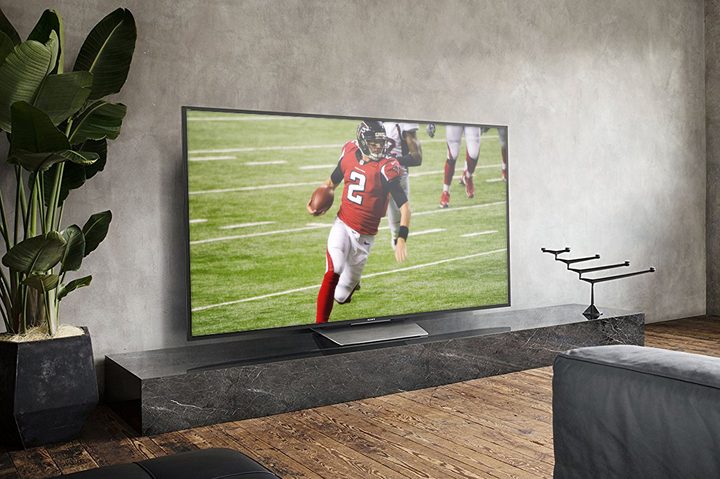
There’s certainly no end to the hype when it comes to ATSC 3.0, but we should probably keep our expectations low, at least at first. Not only is there a lot of work left to do to get local stations broadcasting in the new format, plus getting people at home the right gear to receive it, but there’s also the question of the content itself.
While it’s true that streaming services like Netflix, Amazon Prime Video, and Disney+ all have gorgeous 4K HDR movies and shows, that material is premium stuff. It’s unlikely that it will suddenly appear for free on broadcast TV, even if ATSC 3.0 makes it possible. We’ll have to wait for the usual broadcast players like ABC, NBC, CBS, and Fox to start pumping out their rosters of shows in these formats before they can be transmitted over ATSC 3.0, and so far, we don’t see many signs that this is happening.
NBCUniversal may be the first to do so, if only because the broadcaster is already creating 4K content for the premium tier of its Peacock streaming service. That content could end up filtering down to its over-the-air broadcasts.
As soon as life returns to normal, sports are likely our best bet for 4K OTA viewing. The 2020 Superbowl LIV was broadcast in 4K HDR for the first time, but that was limited to streaming services. If we’re lucky, Superbowl LV in 2021 could be the first time football fans can watch the game for free in this high-quality format.


