
As far as smart home gadgets are concerned, smart blinds are pretty niche. Unlike smart displays, video doorbells, or smart locks, it’s not often that you hear about smart blinds (or see them installed in a friend’s home). However, these unique products offer the same luxuries as their smart siblings — and some might even be able to save you money.
But are smart blinds worth it? Or is the upfront investment too steep in relation to the conveniences they offer? Here’s a closer look at these products to help you decide if you should upgrade your traditional blinds to something with a bit more brains.
What are smart blinds?
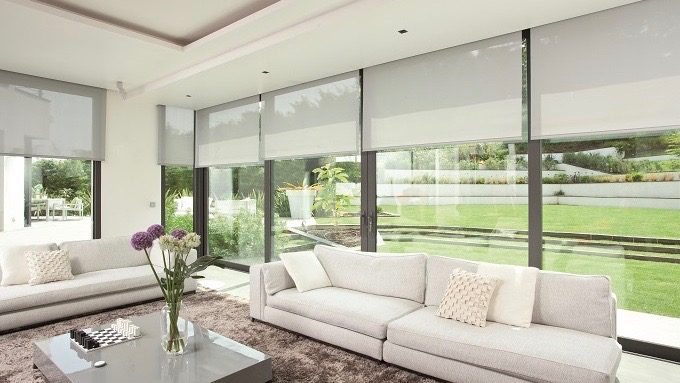
Smart blinds, sometimes referred to as smart shades, are motorized blinds that can be opened and closed remotely. Some can even be programmed to operate on a schedule, closing for privacy at night and then automatically opening again in the morning.
Depending on which specific model you opt for, you’ll also get support for Google Home, Amazon Alexa, or other smart home ecosystems. Many can also be controlled via a smartphone app or included remote control, allowing you to adjust the positioning without getting up from the couch.
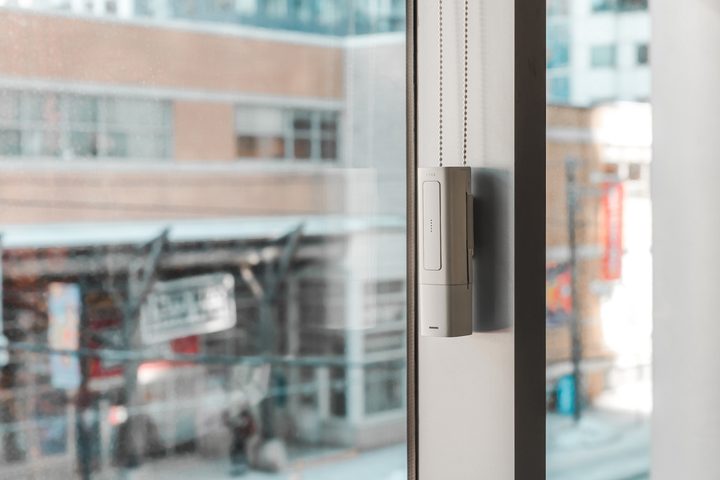
Smart blinds are offered as both a standalone product and as a retrofit for your existing blinds. So whether you want brand new blinds or love your current setup, there’s likely an option to get smart blinds into your home.
How much do smart blinds cost?
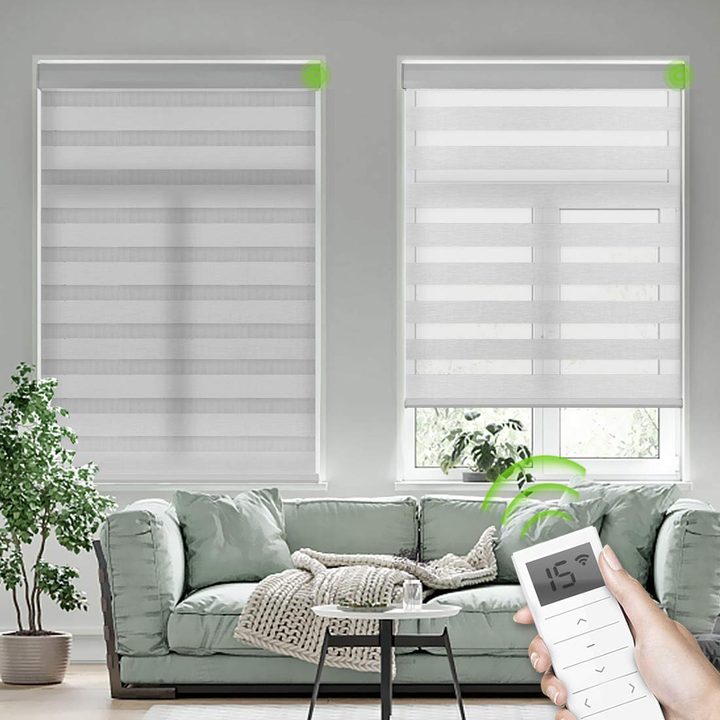
Smart blinds typically cost more than their traditional counterparts. Pricing can vary widely based on the size of your windows and what sort of features (and quality) you’re looking for but expect to pay at least $150 for basic smart shades for a standard window.
If you want more features or need to outfit a larger window, the price can quickly creep up over $500. That starting price is much higher than traditional blinds — which can be had for a fraction of the price — but is closely aligned with premium blinds, which often cost well over $200.
Retrofitting kits also have a wide range of prices, although you can snag them for just $100. That makes them a great alternative to standalone smart blinds, especially if you’re planning to update your entire home. However, some homes may benefit from a professional installation.
“Getting smart blinds installed by a professional is a good idea, as it ensures a smoother and more reliable experience overall,” said Tracy Christman, executive vice president of product development and strategy at Budget Blinds. “A professional will program and personalize each of your window coverings to your space and your experience.”
Depending on where you shop and what you purchase, professional installation might cost extra. But if you’re spending money on premium smart shades, it’s worth the investment to ensure they work as intended.
Can smart blinds really save money?

Yes, smart blinds can save you money on your energy bills, but results can vary from house to house. For one, a good set of traditional blinds that are manually adjusted throughout the day can theoretically save you just as much as a set of smart blinds. Insulation factors on smart blinds vary just as much as they do on traditional blinds — and if you buy high-quality traditional blinds (and constantly adjust them throughout the day), you can reduce the amount of heat that pours in through your windows.
A recent study showed that smart blinds are effective at reducing energy bills. The study was performed in an office building, so it’s not a perfect translation to a home environment, but it’s clear that smart blinds can help shrink your bills and save energy when used correctly.
Christman notes that smart blinds can “absolutely” save you money, though you’ll need to ensure you’re using them properly.
“The unique sensors on motorized window treatments allow users the ability to increase energy efficiency by automatically adjusting blinds with rising temperatures,” said Christman. “Window coverings can also be programmed on timers to open and close at specific times during the day, which will help to save on energy costs. Programming your shades to close when the sun is shining can help to keep fabrics, rugs, upholstery, and artwork from fading as well.”
Are smart blinds worth it?
If you live in a climate that has you constantly raising and lowering your blinds to regulate your home’s temperature or block out the sun, then smart blinds are a wise investment. The convenience of remotely activating them or scheduling their performance is well worth the added upfront cost. And when used properly, you could easily end up saving a few bucks on your energy bills — recouping your investment.
For more energy savings, be sure to consider a smart thermostat. When coupled with smart blinds, the two can do a great job of slashing your monthly bills and helping you reduce your energy consumption. Once you’re ready to get started on your search, be sure to check out our roundup of the best smart blinds of 2023.


