Which kitchen appliance features sharp blades that spin at incredible speeds: A blender or a food processor? Well, both, actually. But while blenders and food processors have many similarities, these appliances serve very different purposes.
See more
To make your life in the kitchen easier, it’s wise to know what each of these high-speed machines is best at slicing and dicing, as well as which ingredients you should avoid putting in each appliance. We break down the differences between blenders and food processors in this guide.
Blenders
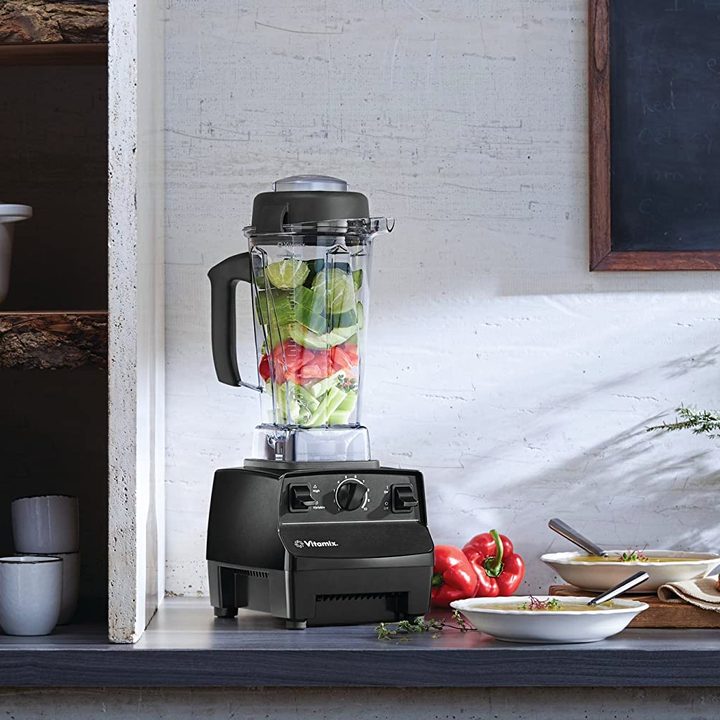
A good blender is typically better for liquids and is used to create things like smoothies and protein shakes. A food processor is typically used for more labor-intensive tasks, such as mixing dough or slicing vegetables. Of course, some blenders are powerful enough to handle the tasks meant for a food processor (and vice versa). For now, however, let’s just take a look at the basic differences between a blender and a food processor.
If you’ve ever shopped for a food processor, you’ve probably noticed a long list of the appliance’s skills on the package, including chopping, slicing, shredding, mixing, and pureeing. While blenders have become more capable over the years, they still don’t do much more than blend. Sure, a powerful blender will crush ice, and top-of-the-line blenders like the Vitamix 5200 are capable of making everything from ice cream to nut butter, but your typical blender isn’t going to be able to handle the number of tasks that a food processor can.
| Recipe | Blender | Food processor |
| Soups and purees | Best | Capable |
| Smoothies | Best | No |
| Dips | Capable | Best |
| Butters | Not ideal | Best |
| Chopped vegetables | No | Best |
| Baking (dough and crust) | Not ideal | Capable |
| Shredded cheeses | No | Best |
As you can see in the chart above, there’s a considerable amount of crossover between the two appliances. However, they both excel at different tasks. Blenders are almost always better for liquids, and some blenders have easy-to-pour reservoirs. Others are made so that you can drink out of the same cylinder you use to make your creation.
Blenders are typically built with features that make them ideal for making soups, purees, and smoothies. That’s why you’ll often find buttons on blenders for these very tasks.
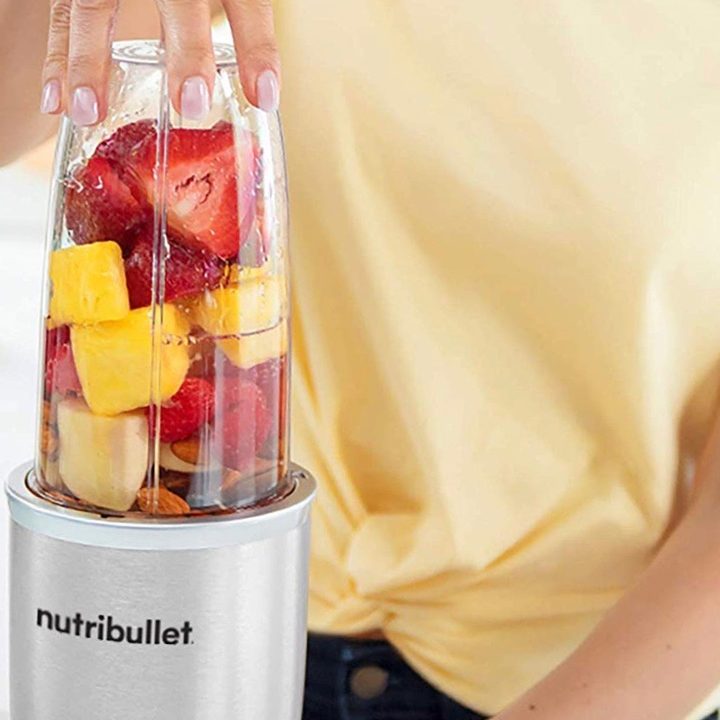
Devices like the NutriBullet can whip up a nutritious smoothie with ease. While we wouldn’t recommend it as the best appliance for making everything under the sun, it is powerful enough to grind up nuts, veggies, and other potential smoothie ingredients.
Food processors
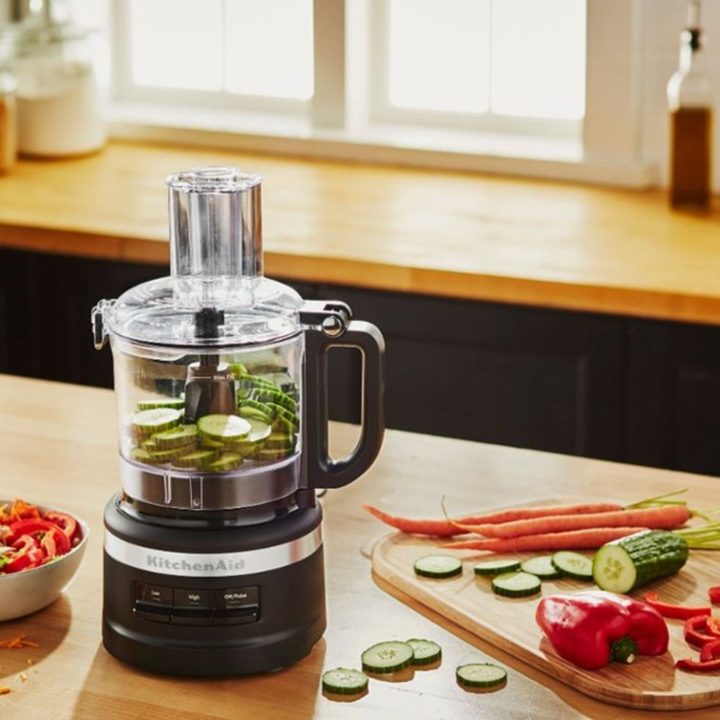
Food processors, on the other hand, are ideal for more labor-intensive tasks, like making dough. Food processors have wide mixing bowls — which make it easy to add in ingredients — and typically come with various attachments, giving you the ability to slice carrots, shred cheese, or mix dough.
The Hamilton Beach 10-Cup Food Processor can handle multiple cooking methods quite easily, including various food prep tasks and blending. It has a large mixing bowl, multiple speeds, a pulse setting, and various blade attachments to help bakers slide, shred, or chop accordingly. This product also comes with a handy “bowl scraper” attachment to assist with removing sticky dough or unruly food from the inside of the bowl.
Conclusion
Baking enthusiasts and kitchen fiends swear that food processors are an essential kitchen tool, while blenders cater to a more broad base of creating smoothies, soups, or unique cocktails. These devices are not mutually exclusive, though. If you do a lot of cooking and baking, you’ll probably need both appliances in your kitchen. Due to their designs and technological advancements, there isn’t a massive distinction between blenders and food processors. High-end blenders may come with added attachments, like food processing attachments. Thanks to these helpful accessories, a blender or food processor can execute incredible tasks, with some capabilities overlapping a bit. The recipe book for the Vitamix 5200, for instance, includes smoothies, nut butter, bread dough, cocktails, and cake mixes.
That said, the versatility of these two products could make picking a single appliance slightly more complicated. To help make your choice easier, consider the purpose of your purchase. Blenders are still best for more liquid-heavy recipes, like smoothies and soups. Inversely, a food processor may be the better option for thicker substances, like dough and butter. By using these simple considerations and deliberations on your cooking style and ingredient usage, you can make a more informed choice as to which appliance is right for you. At the same time, the latest technological innovations in cookware may provide you the best of both worlds all in one single appliance.