When will we come to a time when every accessory in our home is smart? Is there a limit to what should actually be smart? Let’s talk about a category that may not be what you traditionally think of as a smart device — the toothbrush.
I’m all for having smarter health products and having the best technology in our hygiene products (like bidets), but I’ve not put a lot of thought into how, or why, my toothbrush is smart. It’s time to dive in and see if it’s even worth it.
What is a smart electric toothbrush?
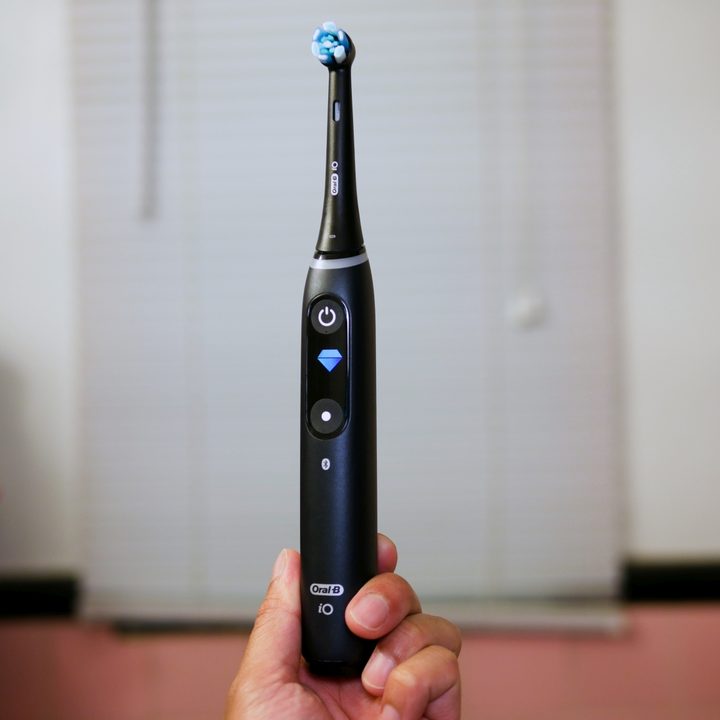
First, what makes a toothbrush smart? This category varies, but a smart electric toothbrush typically has Bluetooth technology and sensors inside for data tracking. These sensors can track things like timing, habit tracking, gentle pressure support, and other things. Some smart toothbrushes can even connect with apps on your phone to display the data.
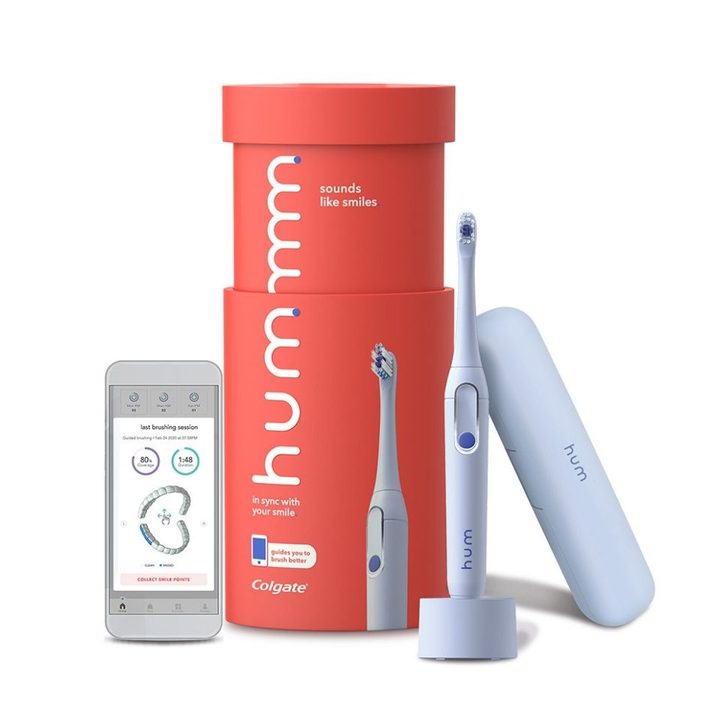
There are multiple brands of smart toothbrushes, such as Oral-B’s iO, Sonicare’s DiamondClean Smart, Colgate’s hum, and the Quip Smart. For transparency’s sake, I have a Quip toothbrush, but it’s not their new smart model.
What are the pros?
Some of the main pros of using a smart toothbrush include notifications and reminders, rewards, and data. The American Dental Association states that you should brush your teeth twice a day for at least two minutes. Most of these smart toothbrushes also have built-in timers to either help you move to different areas in your mouth or to stop brushing overall. These usually have notifications and reminders sent to your phone telling you when to brush or replace your brush head.
Some companies reward you for brushing regularly for the allotted time. These rewards typically include discounts on other dental hygiene products or products that accessorize your toothbrush. For example, Quip provides money for new brush heads and travel totes.
Lastly, one of the most beneficial benefits of using a smart toothbrush is the data it collects and shares. You can get data to know where you may be missing or over-brushing in your mouth. For example, evidence shows most humans brush more of the side of the mouth their predominant hand is on, and canines are often regularly under-brushed. Data and mapping can help you recognize and correct these behaviors.
What about the cons?
The cons of smart toothbrushes are similar to the cons of all emerging innovative technology: Cost and usefulness. Cost is easy to quantify. A basic toothbrush’s price range can range between single and double digits, and an electric toothbrush may run you up to or over $100. Smart toothbrushes can easily cost $300 or more — that’s five times the average standard electric toothbrush!
Notifications can also be more annoying than helpful. Personally, I don’t want more messages appearing on my phone or tablet. Seeing them from unwanted apps usually causes me to mute or delete them. Information overload is a real thing.
Next is usefulness, and this is where people will have differing opinions. Even dentists are undecided on whether you should invest in one. On the one hand, smart toothbrushes provide data that you can’t get elsewhere, but they won’t brush for you. They can’t, for example, adjust pressure or improve technique — they can only tell you to do that.

So, should you buy a smart toothbrush?
Smart technology is at its best when it does an action for you. Take smart robot vacuums; the reason they are so coveted is that they vacuum so you don’t have to. Smart lighting can turn on, dim, and change colors without you changing bulbs or adjusting wiring. This convenience is something a smart toothbrush can’t do at the moment. Also, paying five times the cost for an equally viable electric toothbrush seems ludicrous.
I recommend getting a decent or above-average smart toothbrush with a built-in timer, changeable heads, and motor functionality; for example, the Oral-B Smart 1500. Then, ask your dentist about proper techniques and how you can improve your dental hygiene. Finally, if you are looking for the best of the best in smart toothbrush care, check out the Sonicare DiamondClean Smart.
Technology and smart devices are improving at a fast rate, and it isn’t going to slow down anytime soon. What’s great about the data provided from these devices is companies can see how we use specific devices. This information can help lead to making more practical advancements in technology. For example, maybe smart toothbrushes will be the norm one day, and you won’t want to live without one. Maybe one day, we can have an intelligent home robot that handles all our hygiene and grooming as Jimmy Neutron had.
Smart toothbrushes are still in their infancy, and the benefits often don’t outweigh the cost. As technology continues to advance, the technology will become more prevalent and useful — but for now, a standard electric toothbrush might be a better option than a smart toothbrush.