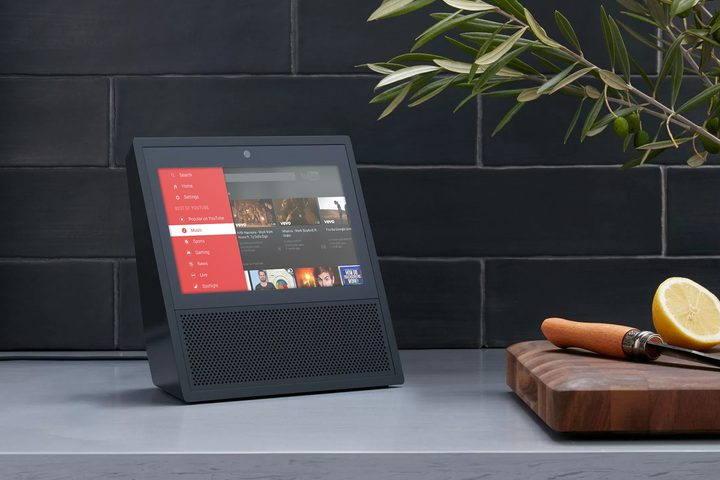
Last summer, when we got an Amazon Echo Show in our house, our son quickly figured out how to ask Alexa to watch snippets of his favorite movies on it. Pretty soon, Moana songs filled our home. Constantly.
But last winter, YouTube went dark on our device, relegating my son to listening only. Ever since, he’s been asking when he can watch videos on our device again. My answer to him: Probably never again. At least not on YouTube.
How could I explain to him, a four year old, that companies Amazon and Google — the biggest adults in the tech space — are waging a fight, which is why he can’t have his Disney movies?
Each side continues to blame the other for the fighting, with each upping the game.
To get you up to speed: Last year, Google, which owns YouTube, pulled all of its videos off Amazon Echo devices with a screen, such as the Echo Show and Amazon’s Fire TV. Google claimed that showing YouTube on Amazon devices violated its terms of service. But the real reason Google/YouTube made the decision can be found in the statement a spokesperson gave on the issue in December:
“We’ve been trying to reach an agreement with Amazon to give consumers access to each other’s products and services. But Amazon doesn’t carry Google products like Chromecast and Google Home, doesn’t make Prime Video available for Google Cast users, and last month stopped selling some of Nest’s latest products. Given this lack of reciprocity, we are no longer supporting YouTube on Echo Show and FireTV.”
In a nutshell, Amazon wasn’t selling Google’s products on its site, so Google pulled YouTube from Amazon products.
Now, apparently, both sides are digging in a bit deeper: Business Insider reported last week that Amazon called Google and told Google it wouldn’t sell any new Nest (owned by Google) smart home products on the website. To which Google essentially replied, fine, we won’t provide any more of our old Nest products for you guys to sell. So there. (That’s not a direct quote, by the way).
If you search on Amazon’s online marketplace for a Google Chromecast (based on autofill results, many have), you’ll get a listing for an Amazon Fire TV Stick instead. For the time being, you can still find oodles of Nest products to buy, including their Nest Thermostats and cameras (which by the way, work with Alexa). But who knows how much longer they’ll be available.
What if Google/Nest decides that their products shouldn’t work with Alexa anymore?
Each side continues to blame the other for the fighting, with each upping the game, and to be honest, it’s worrying me. So I say to you both: Come on, guys, stop it already. It’s starting to piss me off.
We have Amazon Echo devices in our house, as well as a Nest Cam and a Google Home Mini. That means that both Alexa and Google Assistant live in harmony in our smart space. We use them for different reasons, have them connected to various smart home devices, and appreciate them all. They don’t fight at our house, they just get along. Can’t you guys get along, too?
My concern about the bickering is that it could eventually extend beyond just YouTube viewing or shopping. For example, what if Google/Nest decides that their products shouldn’t work with Alexa anymore? If you bought a Nest Cam or thermostat because you liked that you could communicate with those devices through Alexa, you could be shortchanged down the road.
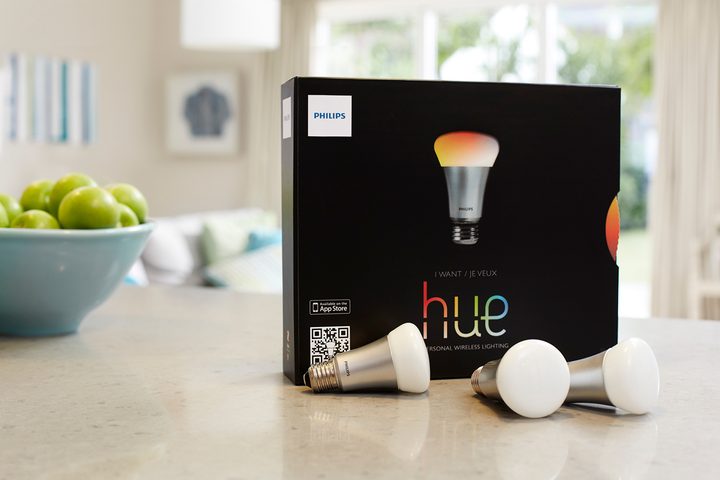
And what if each company starts demanding loyalty from certain brands, meaning that smart home devices like Philips Hue lighting only come with Alexa or Google Assistant integration and not both? Or what if Google, with its massive search engine, decides to bury Amazon’s website somehow, now that net neutrality rules are no longer? All of those things could spell disaster for consumers.
The point is, how much farther could the two companies take this pettiness? I don’t want to know. And I don’t think anyone else does, either.
As each tech giant continues to hurl stones at each other, it’s clear they’re not just hurting themselves, they’re also hurting the consumers of their products. People have made it clear over and over that they want more streamlined compatibility, not less. Petty moves don’t serve anyone.
So, Amazon and Google: Knock it off already. You’re the tech parents in the room. Time to start acting like it.