  1. Home
  2. Smart Home
  3. News

Amid security breaches, Nest urges customers to use stronger passwords

Add as a preferred source on Google
nest cam iq outdoor night
Image used with permission by copyright holder

The recent stories of Nest cameras being hijacked are like something from a nightmare. Imagine if a strange voice suddenly boomed out in your home or began to shout slurs and obscenities at you. Detailed accounts of incidents just like this have surfaced in recent weeks, most of which sound like a morality tale about the dangers of weak cybersecurity more than anything that might actually happen.

The more concerning issue, however, isn’t the security lapses, but the company’s response to them. “We’re reaching out to assure you that Nest security has not been breached or compromised,” Nest said in an email sent to its customers. “For context, even though Nest was not breached, customers may be vulnerable because their email addresses and passwords are freely available on the internet.”

Recommended Videos

In today’s world, everyone should be security conscious. Strong passwords are the modern-day equivalent of locking your doors at night. But even with that in mind, a company’s first response to major breaches shouldn’t be to say, “You need better security.” If Nest customers use the same email and password combination for their Nest account that they do for their email and other websites, any data breach could create vulnerabilities in any of their accounts.

Nest supposedly takes actions to prevent these kinds of breaches from affecting their customers. In the same email, Nest said, “For added password security, the team looks across the internet to identify breaches and when compromised accounts are found, we alert you and temporarily disable access. We also prevent the use of passwords that appear on known compromised lists.”

The operative word is “known.” According to statistics, there were 668 known security breaches in 2018 and 1,579 breaches in 2017. It raises the question: How many breaches took place that weren’t discovered? The majority of data breaches are for-profit. After the breach, the hackers will sell the data to anyone interested in purchasing the information. If the breach contained no useful data, then it might never be detected.

The good news is that steps can be taken to prevent incidents like this from happening. Nest recommends enabling two-factor authentication to ensure no one can log in without a special code that will be sent each and every time you try to log in. Experts also recommend that anyone affected by the breaches make sure the hacker hasn’t added themselves to the Home Share plan, which will grant them access to your Nest account without a camera.

Even if you haven’t been affected by these incidents, it’s a good idea to enable two-factor authentication and take added steps to protect yourself. Even the more amusing incidents — like one hacker asking a homeowner’s Alexa to play Despacito — would be terrifying in the moment.

Patrick Hearn
Former Technology Writer
Patrick has written about tech for more than 15 years and isn't slowing down anytime soon. With previous clients ranging from…
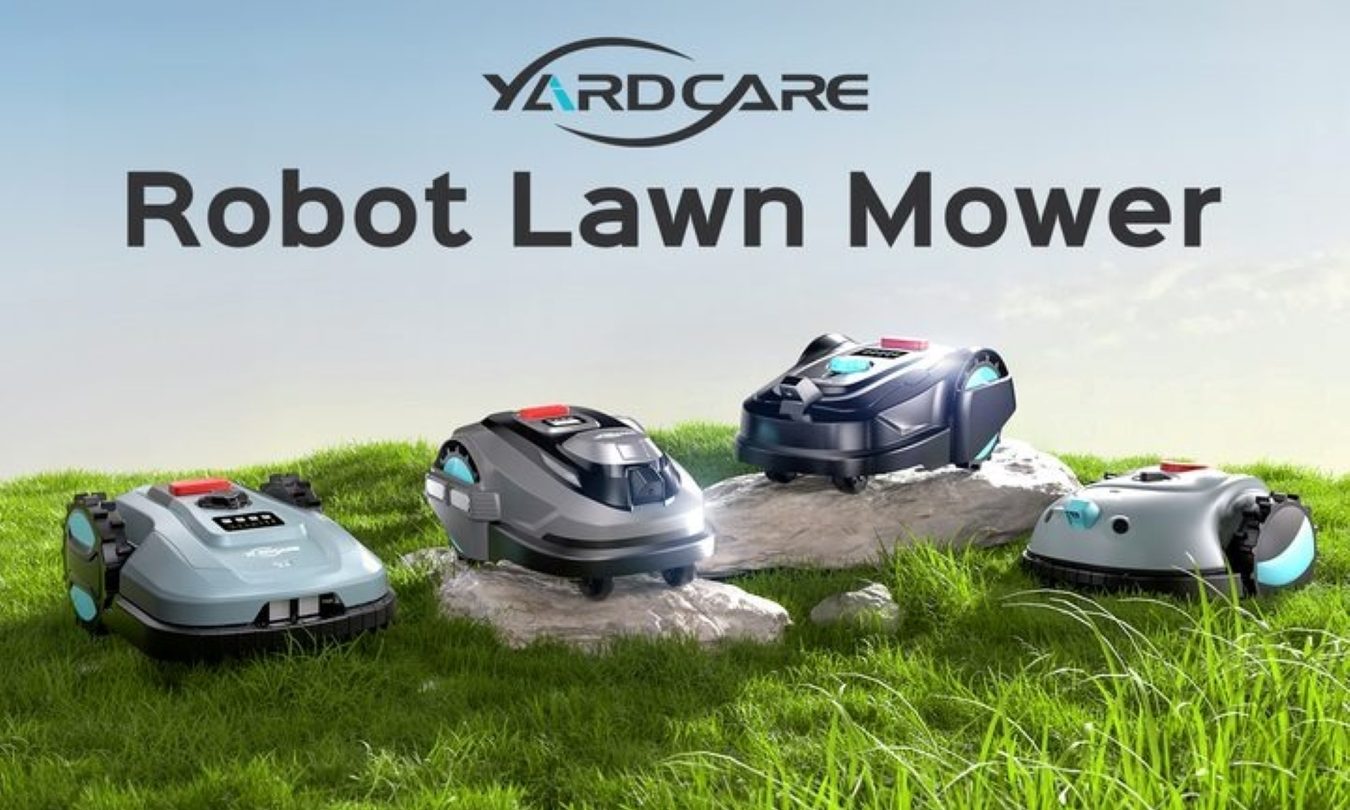
Beyond the Boundary Wire: How Yardcare and the New N1600PRO are Leading the Robotic Mower Revolution
With automated routes and advanced mapping, Yardcare N1600 PRO robot lawn mower is made to meet modern lifestyle with smart precision.
Grass, Lawn, Plant

The weekend morning dread is a real situation, and homeowners know it pretty well. I've often woken up with the realization that the next few hours will be spent toiling with the hum of a petrol engine machine and hours of pushing a heavy mower around the yard. We’ve all been there, sweating under the sun, in our quest to achieve a green carpet that looks fine at best, but rarely ever achieves the work done by an expert. A fully automated solution should address all those problems, but finding a reliable one isn't a cakewalk.

The hassles of setting up boundary wire, mastering the navigation, and requiring constant manual supervision don't really sound like an autonomous dream. But tech is finally catching up, and one of its best specimens is Yardcare’s N1600PRO. The latest from Yardcare ensures that lawn care no longer means non-stop manual effort, but relaxed efficiency. If you're a homeowner who is increasingly leaning toward automation to take care of your yard space, Yardcare is here to help you make that smart shift with the N1600PRO.

Read more
Apple is reportedly sitting on new products because Siri AI isn’t ready
Inventory shortages suggest launches are near, but delays tell a different story
Apple HomePod Featured

Apple might have new products ready to go, but it’s just not launching them yet. According to a recent report from Bloomberg, inventory for devices like the HomePod, HomePod mini, and Apple TV is running low across Apple Stores globally.

Normally, that’s a clear sign that refreshed models are around the corner. But this time, there’s a twist. Apple is reportedly holding back releases because its next-generation Siri and AI features aren’t ready yet.

Read more
Google Home update soups up Gemini and fixes frustrating papercuts
The latest Google Home update speeds up Gemini, adds new languages, and fixes recurring annoyances to make voice control smoother and smarter.
Gemini for Home devices

Google is rolling out a fresh update for the Google Home app that makes Gemini a lot more useful in day-to-day use, while also addressing several small but frustrating issues that have been holding it back. The new release follows an update from earlier this month that also brought performance improvements and bug fixes for Gemini's smart home voice controls.

What's new with Gemini for Home?

Read more