

Scientists are trying to figure out why vultures don’t get food poisoning. While research is ongoing, one study suggests an alliance between the birds and microbes makes rotting carcasses safe for the birds. Humans have no such advantage, so it’s important for us to keep tabs on spoiling meat and molding baked goods. But one of the best parts of Thanksgiving is the leftovers, so how do you eat plenty of turkey sandwiches without risking food-borne illness?
When food is clearly past its prime, the rancid smell or slimy texture can be dead giveaways that leftovers are better left alone. Those icky signals are signs of spoilage bacteria. However, pathogenic bacteria infiltrating the stuffing or mashed potatoes don’t alter the flavor, scent, or appearance of the food, but can still make you sick. Your leftovers are safe in the fridge for three to four days, while frozen food should be consumed within two to four months for best quality, according to the U.S. Department of Agriculture. The biggest mistake turkey-lovers make is keeping leftovers in the fridge for too long. “Eat them, freeze them, or toss them by Monday,” says Tina Hanes, a technical information specialist with the USDA’s Office of Public Affairs and Consumer Education.
There are some ways to ensure the remains of your Thanksgiving feast pass the sniff test before that deadline.
The time to hesitate is through
While it’s lovely to linger over Thanksgiving dinner, food should be refrigerated within two hours of being cooked. After all, some bacteria double in number in just 20 minutes. The cooler temperature slows bacterial growth, but doesn’t prevent it entirely.
Roasty toasty
If your guests are running late but the casserole is done, keep it warmed to at least 140 degrees Fahrenheit to prevent bacterial growth (and avoid the dreaded creep of congealing cream).

Chill, baby, chill
Is your refrigerator running… a temperature? To keep bacteria at bay, your fridge temp should be set to 40 degrees Fahrenheit or below, according to Foodsafety.gov. Whatever you’re storing in the freezer should be kept at 0 degrees Fahrenheit or below.
Use that regifted label maker
Your leftovers will be safe to consume if left in the freezer for months, but they may not have the best flavor or appearance after four months. Hanes suggests labeling your food containers, so you remember what you put in there and when you put it in. “Once frozen, you may not remember or recognize the food,” she points out.
It’d be a lot cooler if you did
If you’re sending loved ones home with a care package of leftovers, supply them with a cooler and ice packs for the long ride home.
Keep ’em separated
Thinking of saving space by storing the stuffing in the turkey? Don’t. Your fridge isn’t magic and may not be able to cool everything quickly enough, meaning bacteria can proliferate. Also, keep fresh fruits and veggies away from raw meat and eggs.
Fall to pieces
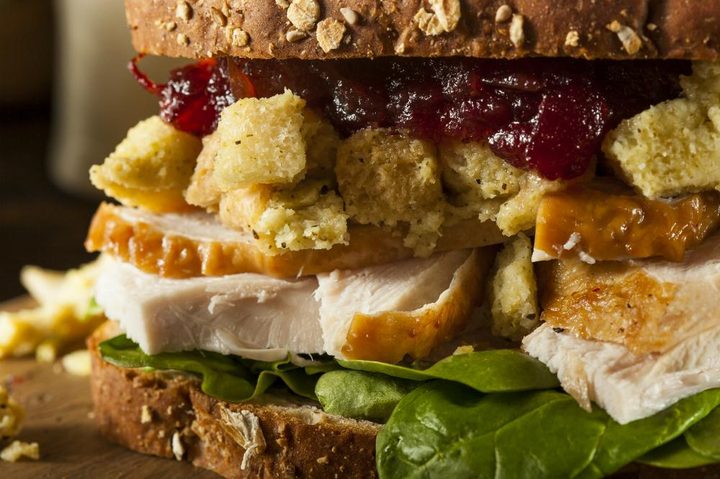
Instead of leaving huge cuts of meat intact, slicing the turkey into smaller pieces helps it cool faster, thus cutting down on the risk of foodborne illness.
Contain yourself
Using shallow, airtight containers will cool leftovers quickly and keep them fresh longer. Wrap baked goods you want to keep mold-free tightly in plastic wrap, or put them in plastic containers or a special cookie case.
How’d it get burned?
If you are going to freeze your food, you might want to vacuum seal it to help prevent freezer burn. Thankfully, Ziploc makes a $4 kit to help suck out as much air as possible.
The air in there
From yams and potatoes to turkey and pie, your fridge is bound to be more stuffed than you were after the meal. However, it’s important to let air flow to every nook and cranberry, so keep that in mind when packing the fridge.
Break the mold
Mold can grow in refrigerators, so it’s important to clean the appliance every few months using a tablespoon of baking soda dissolved in a quart of water. Visible mold should be scrubbed away with three teaspoons of bleach per quart of water. Remember that porous foods, like bread, may have mold hiding below the surface, so you can’t just cut off the visibly affected area.
Be thaw-tful
Don’t leave your frozen leftovers on the counter to thaw. Toss them in the fridge, defrost them in the microwave, or run them under the cold tap to safely bring the food to room temp.
The pies have it
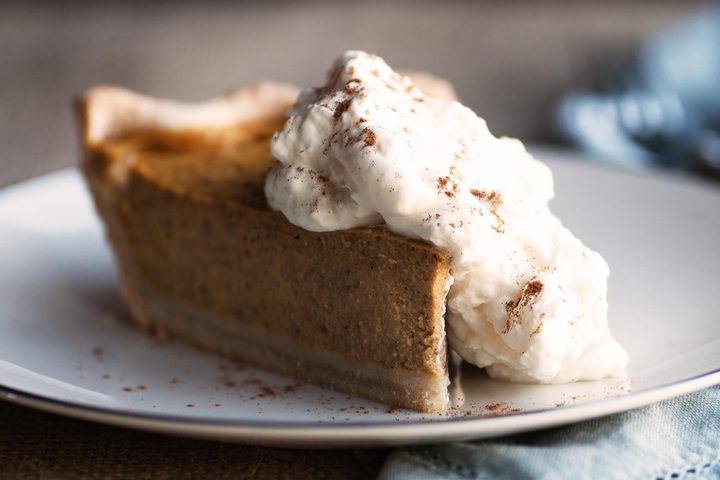
“Fruit pie may be safe in the refrigerator for a week, but a custard-type pie like pumpkin should be used with three to four days,” Hanes said. You heard the lady. Pie for breakfast!
Danger zone
Between 40 degrees and 140 degrees Fahrenheit is the “danger zone” for food, so when you’re reheating leftovers, set your oven or microwave to 325 degrees Fahrenheit or higher, to warm your food to 165 degrees. Be warned that a slow cooker may not get the turkey back up to this safe temperature. Just be careful what you’re reheating. You may not want to put flimsy plastic in the microwave, as it might not be rated for high temperatures. When in doubt, use a glass or ceramic dish.


