1. Home
  2. Mobile
  3. Legacy Archives

App permissions manager disappears in Android 4.4.2

Add as a preferred source on Google

Those of you who take more than a passing interest in Android’s evolution may know that Android 4.3 features a hidden tool for managing app permissions. Once enabled (via a third-party app) it lets you control an app’s privileges independently: you can give Facebook permission to use your contacts but not your location, for example.

Rather than developing the App Ops tool further, Google has decided to yank it from the latest Android 4.4.2 release, claiming it was a mistake that it was ever included in the first place. Google told the Electronic Frontier Foundation that the feature was experimental and could break the functionality of certain apps. “We are suspicious of this explanation, and do not think that it in any way justifies removing the feature rather than improving it,” wrote the EFF’s Peter Eckersley in a blog post.

Recommended Videos

Android users hoping for more granular control over app permissions will have to wait and see whether Google decides to reintroduce the feature in a future version of the mobile operating system. For the time being, there’s no official word on whether a fully fledged App Ops dashboard will ever see the light of day.

Eckersley has called on Google to go even further: he wants to see an option to disable all collection of trackable identifiers (such as your mobile number) with a single switch, the ability to disable network access for apps that don’t need it, and the choice to fine-tune an app’s privileges from the main Settings screen. While they would require more work on the part of developers, such features would certainly improve Android’s privacy and security options.

[Image courtesy of Android Police]

David Nield
Former Contributor
Dave is a freelance journalist from Manchester in the north-west of England. He's been writing about technology since the…
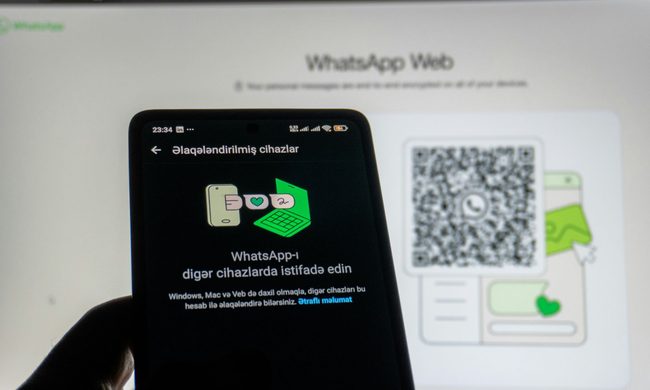
How to use WhatsApp Web
We'll show you how to use WhatsApp on your desktop or laptop
WhatsApp Web

As one of the most popular messaging services, you’ve already heard of WhatsApp. From its humble beginnings in 2009—two years before Apple introduced iMessage—to its acquisition by Facebook (now Meta) in 2014, WhatsApp has become the dominant messaging platform around the globe.

In recent years, it's grown even more potent with new features like video messages, self-destructing voice messages, the ability to edit sent messages, and more. We even finally got an WhatsApp iPad app in May 2025.

Read more
What is WhatsApp? How to use the app, tips, tricks, and more
From setting it up to mastering hidden features, here is your complete guide to WhatsApp.
Electronics, Phone, Mobile Phone

There's no shortage of messaging apps out there. The past decade has given us more options than we know what to do with, largely because smartphones demanded something better than plain old SMS.

Both the App Store and the Play Store are packed with apps that promise to revolutionize the way we communicate. Most of them didn't make it. The truth is, a messaging app is only as good as the number of people using it, and most apps never cross that threshold.

Read more
How to restore deleted or missing contacts on your iPhone
Lost your iPhone contacts? Here's how to get them back in minutes!
iPhone in hand showing restore contacts page

At some point, we all stopped memorizing phone numbers. It happened gradually, and now most of us can barely recall two or three phone numbers off the top of our heads. So when your iPhone contacts vanish, whether after a software update or an accidental delete, it can feel like a minor crisis.

Thankfully, if you act fast, you can easily restore deleted contacts on your iPhone. So, before you start texting people asking for their numbers again, try these methods to get your contacts back. These methods will work on all latest iPhone models.

Read more