  1. Home
  2. Mobile
  3. Legacy Archives

Apple extends Nokia patent battle to the UK

Add as a preferred source on Google
Image used with permission by copyright holder

The patent feud between Apple and Nokia has been quietly smoldering for the better part of a year, but Apple has decided to ratchet up the tension: Apple is launched legal action against Nokia in the United Kingdom, accusing the world’s largest handset maker of infringing on Apple’s mobile phone technology.

The dispute began back in October 2009 when Nokia sued Apple, claiming the company infringed on ten of its patents. Apple fired back in December, countersuing Nokia for violating 13 of its patents; Apple also asked the U.S. International Trade Commission to ban import of infringing devices in to the United States—whichmay have been less-than-threatening considering how little of Nokia’s business is still in the U.S. Nokia expanded the proceedings again in May, filing a fresh suit against Apple over technology included in the iPhone and iPad.

Recommended Videos

Each company is pointing the finger at the other for using its technology innovations without licensing or compensation. Nokia claims Apple refuses to respect Nokia’s intellectual property; Apple accuses Nokia of stealing Apple’s innovations. The war of words has been particularly bitter for companies that are known for keeping their public statements under control; in its initial suit against Nokia, Apple called out a now-infamous quote from a Nokia executive that said the company would “copy with price” anything in the world it found worthwhile. Of course, Apple CEO Steve Jobs is known for quoting Picasso: “Good artists borrow, great artists steal.”

Expanding the legal proceedings to the United Kingdom—and closer to Nokia’s European business—could be a move to pressure Nokia towards a settlement. However, in a statement, a Nokia spokesperson indicated the company was unfazed, and that Apple’s new action changed nothing about the nature of the dispute.

Geoff Duncan
Former Contributor
Geoff Duncan writes, programs, edits, plays music, and delights in making software misbehave. He's probably the only member…
Topics
Snapchat Planets: What’s the order, and what do they mean?
Snapchat Planets turns your best friends list into a solar system, and yes, your orbit says a lot
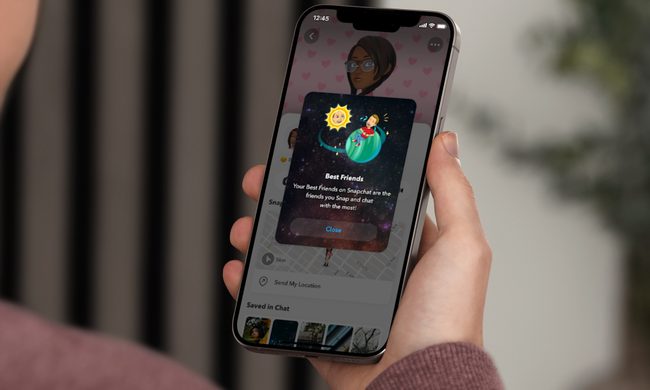
Snapchat Planets being shown on the Snapchat app on iPhone.

Snapchat is already packed with little symbols that can be weirdly hard to decode. You have streaks, emojis, badges, scores, Best Friends, and if you use Snapchat Plus, a tiny solar system that shows where you sit in someone’s closest-friends list.

The feature is called Friend Solar System, though most people just call it Snapchat Planets. It takes your position in a friend’s Snapchat orbit and turns it into a planet. From Mercury to Neptune, these celestial bodies signify how close a person is to you.

Read more
How to use WhatsApp Web
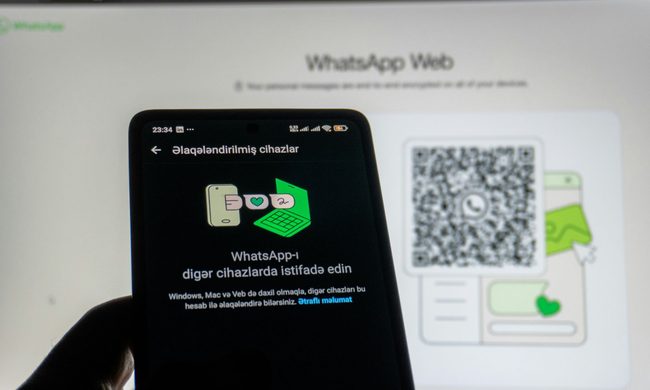
We'll show you how to use WhatsApp on your desktop or laptop
WhatsApp Web

As one of the most popular messaging services, you’ve already heard of WhatsApp. From its humble beginnings in 2009—two years before Apple introduced iMessage—to its acquisition by Facebook (now Meta) in 2014, WhatsApp has become the dominant messaging platform around the globe.

In recent years, it's grown even more potent with new features like video messages, self-destructing voice messages, the ability to edit sent messages, and more. We even finally got an WhatsApp iPad app in May 2025.

Read more
What is WhatsApp? How to use the app, tips, tricks, and more
From setting it up to mastering hidden features, here is your complete guide to WhatsApp.
WhatsApp app store listing open on iPhone

There's no shortage of messaging apps out there. The past decade has given us more options than we know what to do with, largely because smartphones demanded something better than plain old SMS.

Both the App Store and the Play Store are packed with apps that promise to revolutionize the way we communicate. Most of them didn't make it. The truth is, a messaging app is only as good as the number of people using it, and most apps never cross that threshold.

Read more