  1. Home
  2. Mobile
  3. Legacy Archives

AT&T admits to hobbling 4G phones

Add as a preferred source on Google
Motorola Atrix 4G
Image used with permission by copyright holder

Mobile broadband fiends who hopped on the Motorola Atrix and HTC Inspire from AT&T hoping to revel in the glory of full HSUPA mobile broadband have experienced a rude shock. Although the phones are able to pull in data at speeds exceeding AT&T’s 3G devices, their upload capabilities have been less than stellar—in many cases even lower than upload bandwidth that can be achieved by less-capable phones. Responding to consumer complaints lodged with the Better Business Bureau, AT&T apparently admits that the Atrix and Inspire are HSUPA-capable devices, but that the company simply hasn’t enabled HSUPA service on the phones. AT&T says it is in “testing and preparations” to activate the service.

AT&T says it expects to enable HSUPA service for the Atrix and the Inspire in April. The company also notes that its forthcoming Samsung Infuse 4G will ship with HSUPA enabled by default.

Recommended Videos

AT&T has been operating HSUPA service in portions of its markets for as long as three years.

The fracas highlights some of of the disputes (and consumer confusion) in the mobile marketplace over what constitutes “4G” service. Original industry definitions essentially held that services like WiMax and LTE could be classified as 4G services, but T-Mobile burst that bubble when it pushed its HSPA+ network into bandwidth ranges that had previously been solely the realm of 4G technologies. Not to be outclasses, AT&T quickly followed suit, touting its own HSUPA technologies as “4G.” The Atrix and Inspire are marketed by AT&T as 4G phones, even though—the company now admits—4G features aren’t actually functional.

Geoff Duncan
Former Contributor
Geoff Duncan writes, programs, edits, plays music, and delights in making software misbehave. He's probably the only member…
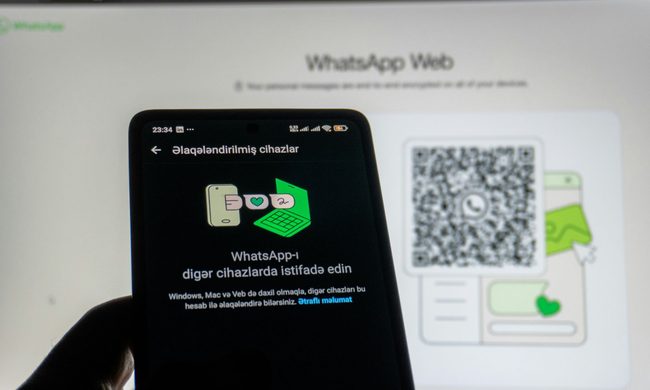
How to use WhatsApp Web
We'll show you how to use WhatsApp on your desktop or laptop
WhatsApp Web

As one of the most popular messaging services, you’ve already heard of WhatsApp. From its humble beginnings in 2009—two years before Apple introduced iMessage—to its acquisition by Facebook (now Meta) in 2014, WhatsApp has become the dominant messaging platform around the globe.

In recent years, it's grown even more potent with new features like video messages, self-destructing voice messages, the ability to edit sent messages, and more. We even finally got an WhatsApp iPad app in May 2025.

Read more
What is WhatsApp? How to use the app, tips, tricks, and more
From setting it up to mastering hidden features, here is your complete guide to WhatsApp.
Electronics, Phone, Mobile Phone

There's no shortage of messaging apps out there. The past decade has given us more options than we know what to do with, largely because smartphones demanded something better than plain old SMS.

Both the App Store and the Play Store are packed with apps that promise to revolutionize the way we communicate. Most of them didn't make it. The truth is, a messaging app is only as good as the number of people using it, and most apps never cross that threshold.

Read more
How to restore deleted or missing contacts on your iPhone
Lost your iPhone contacts? Here's how to get them back in minutes!
iPhone in hand showing restore contacts page

At some point, we all stopped memorizing phone numbers. It happened gradually, and now most of us can barely recall two or three phone numbers off the top of our heads. So when your iPhone contacts vanish, whether after a software update or an accidental delete, it can feel like a minor crisis.

Thankfully, if you act fast, you can easily restore deleted contacts on your iPhone. So, before you start texting people asking for their numbers again, try these methods to get your contacts back. These methods will work on all latest iPhone models.

Read more