  1. Home
  2. Mobile
  3. Legacy Archives

AT&T increasing security with voicemail passwords

Add as a preferred source on Google
voicemail-password
Image used with permission by copyright holder

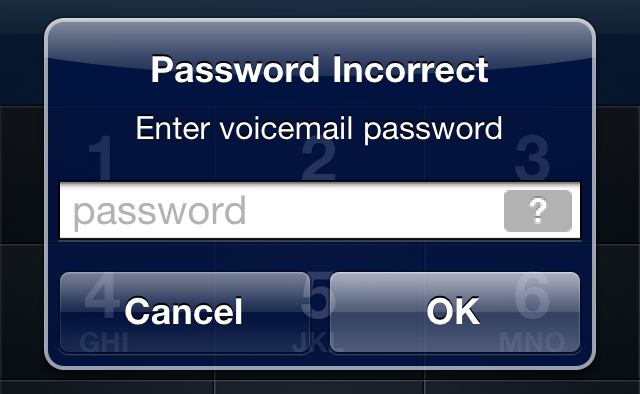
AT&T is rolling out a new initiative to increase mobile security as of today as a step to protect customers from phone spoofing. The wireless service company is now requiring a password when accessing voicemail on all new accounts. Previously, the default setting allowed users to get to messages without the added time of typing in a password. While consumers can quickly opt-out of the new security measure after purchasing a phone, the default settings will require the user to setup a password and type it in each time to receive recent messages. Existing AT&T customers will see a similar change in the service until upgrading to a new model, but not until early 2012.  

AT&T joins Sprint and T-Mobile in offering consumers the option of turning off the voicemail password requirement. Verizon Wireless remains the only major wireless carrier that requires a password every time voicemail is accessed by the customer. While carriers require an initial setup of a PIN number to setup voicemail, many U.S. carriers skip this process when the call is being placed from the correct number. This creates a problem for carriers when phone spoofing comes into play, just like the current News Corp. phone hacking scandal.

Recommended Videos

Phone spoofing can be accomplished with simple free and premium services on the Web. A user dials into the service first, then dials the phone number they want to hack in order to gain access to messages. The recipient of the attack over sees their own phone number in the Caller ID, not the number of the person hacking into the voicemail account. The hacker can cover their tracks by marking phone messages as being unheard and the victim of the attack isn’t alerted to the intrusion. However, using a password to protect the voicemail account quickly foils any attempt at phone spoofing.

Mike Flacy
By day, I'm the content and social media manager for High-Def Digest, Steve's Digicams and The CheckOut on Ben's Bargains…
Snapchat Planets Meaning: Order, Rankings, and How Friend Solar System Works
Snapchat Planets turns your best friends list into a solar system, and yes, your orbit says a lot
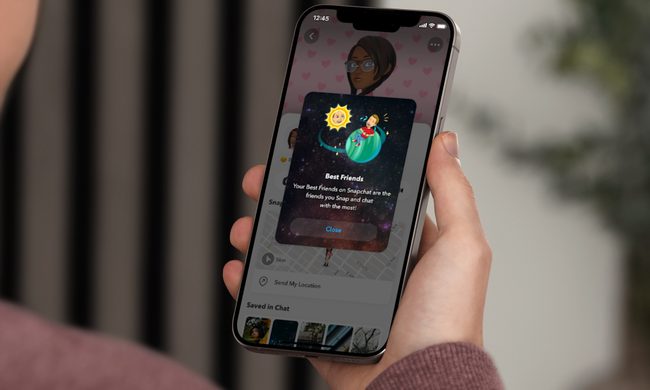
Snapchat Planets being shown on the Snapchat app on iPhone.

Snapchat+ includes several exclusive features, but few have generated as much curiosity as Snapchat Planets. Part of the app's Friend Solar System, it transforms your Best Friends list into a planetary ranking, assigning each of your top eight friends a planet based on how often you interact.

From Mercury, which represents your closest friend, to Neptune, which represents your eighth closest, the system offers a quick visual snapshot of your interactions. But what do the different planets actually mean, and how does Snapchat decide who gets which one?

Read more
How to use WhatsApp Web
We'll show you how to use WhatsApp on your desktop or laptop
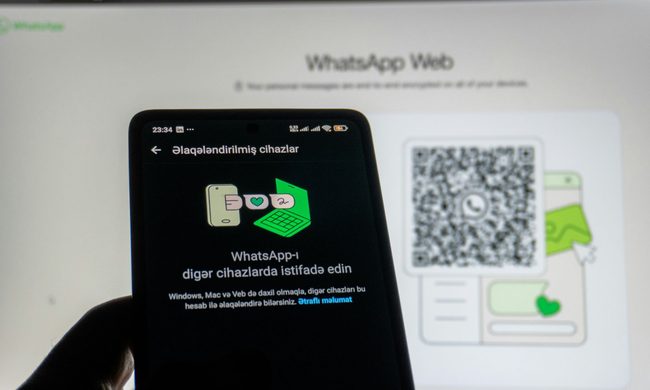
WhatsApp Web

As one of the most popular messaging services, you’ve already heard of WhatsApp. From its humble beginnings in 2009—two years before Apple introduced iMessage—to its acquisition by Facebook (now Meta) in 2014, WhatsApp has become the dominant messaging platform around the globe.

In recent years, it's grown even more potent with new features like video messages, self-destructing voice messages, the ability to edit sent messages, and more. We even finally got an WhatsApp iPad app in May 2025.

Read more
What is WhatsApp? How to use the app, tips, tricks, and more
From setting it up to mastering hidden features, here is your complete guide to WhatsApp.
WhatsApp app store listing open on iPhone

There's no shortage of messaging apps out there. The past decade has given us more options than we know what to do with, largely because smartphones demanded something better than plain old SMS.

Both the App Store and the Play Store are packed with apps that promise to revolutionize the way we communicate. Most of them didn't make it. The truth is, a messaging app is only as good as the number of people using it, and most apps never cross that threshold.

Read more