  1. Home
  2. Mobile
  3. Legacy Archives

BlackBerry more popular than iPhone in India

Add as a preferred source on Google
BlackBerry-India
Image used with permission by copyright holder

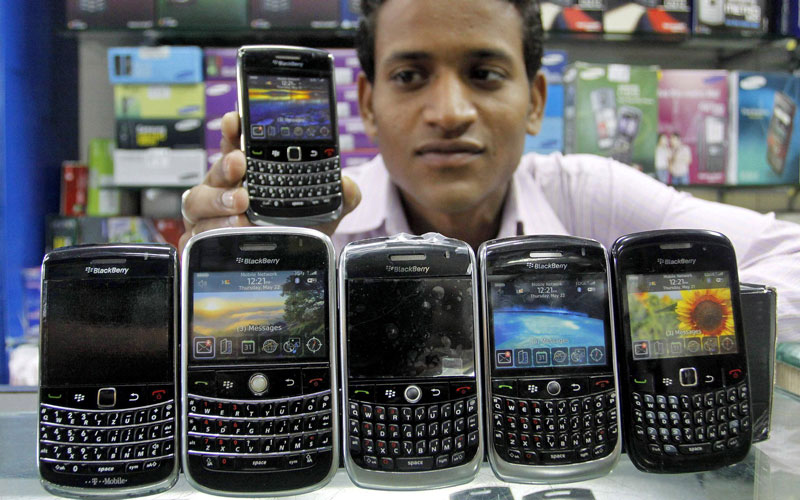
Apple’s iPhone may be the most popular line of handsets in the US, but the iconic smartphone isn’t the winner everywhere. In India, where more than 600 million people have cell phone service, Apple sells fewer devices than either Nokia or BlackBerry-maker Research In Motion, reports Bloomberg. In fact, RIM’s market share is expected to grow nearly 70 percent a year in India until 2015.

The reason is apparently because the wireless infrastructure in India cannot yet support the iPhone on a large scale, as well as the prohibitively high cost of the iPhone.

Recommended Videos

“The iPhone only really works when you have Wi-Fi ,” says Kshma Shah, a Mumbai resident who spoke with Bloomberg. “3G has barely started in India, and on 2G you just can’t have the same experience.”

Another reason for RIM’s success in India is because of the popularity of BlackBerry Messenger, a closed messaging services that only works between BlackBerry devices. Because BBM works well over slower network speeds, and because the service is used by a wide number of users, BlackBerrys have been able to retain their sought-after status.

Worldwide, RIM has seen its business dwindle beneath the growing weight of the iPhone and a swath of handsets based on Google’s Android operating system. But RIM’s success in India has helped make up for its losses elsewhere in the world, and the company is preparing to capitalize off of its popularity in India by expanding distribution to 80 cities, up from 15 last year.

“We want to ride this wave,” said Krishnadeep Baruah, RIM’s director of marketing in India. “This is really the time to expand into the emerging towns and cities.”

Apple, on the other hand, has reportedly made only a meager attempt to grow its business in India. At least part of this is likely due to the fact that the price of Apple’s devices sit well outside the grasp of most Indians, 900 million of whom are estimated to live on less than $2 per day. The least expensive iPhone 4 in India costs about $705.

[Image via]

Andrew Couts
Features Editor for Digital Trends, Andrew Couts covers a wide swath of consumer technology topics, with particular focus on…
Snapchat Planets Meaning: Order, Rankings, and How Friend Solar System Works
Snapchat Planets turns your best friends list into a solar system, and yes, your orbit says a lot
Snapchat Planets being shown on the Snapchat app on iPhone.

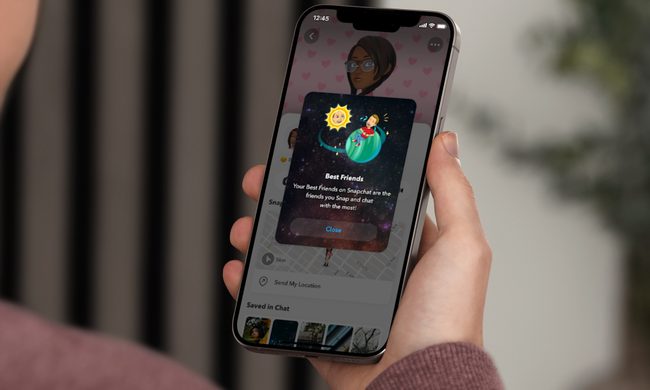
Snapchat+ includes several exclusive features, but few have generated as much curiosity as Snapchat Planets. Part of the app's Friend Solar System, it transforms your Best Friends list into a planetary ranking, assigning each of your top eight friends a planet based on how often you interact.

From Mercury, which represents your closest friend, to Neptune, which represents your eighth closest, the system offers a quick visual snapshot of your interactions. But what do the different planets actually mean, and how does Snapchat decide who gets which one?

Read more
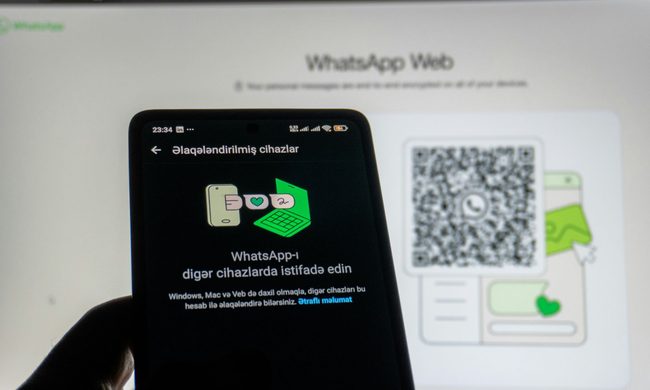
How to use WhatsApp Web
We'll show you how to use WhatsApp on your desktop or laptop
WhatsApp Web

As one of the most popular messaging services, you’ve already heard of WhatsApp. From its humble beginnings in 2009—two years before Apple introduced iMessage—to its acquisition by Facebook (now Meta) in 2014, WhatsApp has become the dominant messaging platform around the globe.

In recent years, it's grown even more potent with new features like video messages, self-destructing voice messages, the ability to edit sent messages, and more. We even finally got an WhatsApp iPad app in May 2025.

Read more
What is WhatsApp? How to use the app, tips, tricks, and more
From setting it up to mastering hidden features, here is your complete guide to WhatsApp.
WhatsApp app store listing open on iPhone

There's no shortage of messaging apps out there. The past decade has given us more options than we know what to do with, largely because smartphones demanded something better than plain old SMS.

Both the App Store and the Play Store are packed with apps that promise to revolutionize the way we communicate. Most of them didn't make it. The truth is, a messaging app is only as good as the number of people using it, and most apps never cross that threshold.

Read more