1. Home
  2. Phones
  3. Mobile
  4. Legacy Archives

Senate study says phone bill ‘cramming’ is costing us millions

Add as a preferred source on Google

A U.S. Senate study, commissioned by the Commerce Committee, has called out mobile networks on the practice of “cramming,” which it says has cost mobile users “hundreds of millions of dollars over the past several years.” Cramming refers to small, sometimes overlooked charges added to your monthly mobile bill, usually originating from third-party companies that sell ringtones, news sent by SMS, horoscopes, and other similar services.

The Senate report accuses networks of “profiting tremendously” from the practice, and described the overcharging as a “voluntary industry oversight,” blaming the Mobile Marketing Association, and the CTIA, for not doing more to close the billing loopholes which allow other companies to add charges to your phone bill. The problem is networks take between 30 and 40 percent of the crammed charges, meaning there is little incentive to crack down.

Recommended Videos

Several examples related to the scale of the problem are provided in the Senate’s report. In 2012, it says, $191 million worth of crammed charges were placed on mobile bills in California alone, while another carrier reportedly billed $250 million nationwide for crammed services in 2011. This means there’s plenty of money to go round, and despite some strict rules on cramming, the third-party firms are finding evermore inventive ways of getting you to sign up.

Recently, most networks stopped billing for what’s known as a Premium Short Message Service, or PSMS, which can be used for cramming. It involves you agreeing to download a ringtone, or get dating tips by SMS, and thanks to some suspect fine print, these services can often have an ongoing monthly fee attached. However, unscrupulous companies turned to other methods of getting their charges on your bill, and the practice continues. Networks will refund bogus, or unwanted charges if you inform them, but it’s not always easy to identify them on complex bills, particularly those where the monthly amount alters.

Although the Senate report provides some best practice guidelines for the industry, and promises to continue monitoring the situation, it’s probably going to come down to you to stop random charges from bumping up your bill. The FTC recommends you look out for them under headings like miscellaneous, and to be mindful of words like subscription, member fee, or activation. If you see something that doesn’t look right, contact your network and ask for an explanation.

Andy Boxall
Andy has written about mobile technology for almost a decade. From 2G to 5G and smartphone to smartwatch, Andy knows tech.
Topics
I won’t buy the Galaxy A37 at $450, but I strongly recommend these 4 terrific options
The Galaxy A37 5G isn't a bad phone, it's just surrounded by better ones that cost less and refuse to let you overpay for a mediocre smartphone.
Galaxy A37 5G camera module.

Samsung launched the Galaxy A37 5G at $449.99 for the baseline variant with 6GB of RAM and 128GB of storage. The smartphone is $50 more expensive than its predecessor, and to me, it looks like the premium is going straight into tackling the rise in component cost due to the ongoing memory crisis rather than providing meaningful upgrades. 

There are plenty of things that could justify the price hike on paper. For instance, the chipset upgrade, Snapdragon 6 Gen 3 to Exynos 1480, provides a low double-digit improvement in performance, which is barely noticeable for regular users. The phone sports a slightly higher HDR brightness (1900 nits vs. 1700 nits) and a better IP rating (IP68 vs. IP67).

Read more
Apple says Lockdown Mode thwarted spyware attacks with a clean slate
Apple’s strongest defense is actually holding up
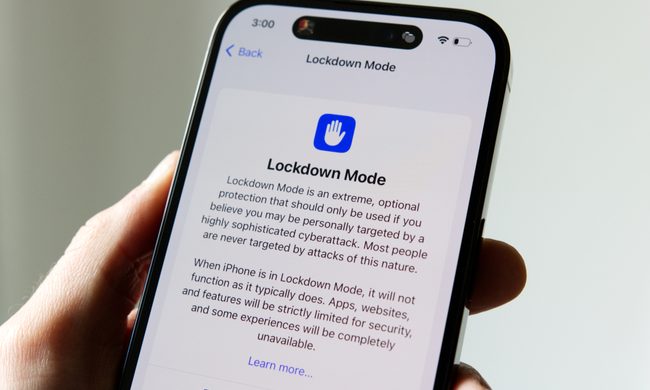
Lockdown Mode information page on an iPhone 14 Pro.

Apple says it has not seen a successful spyware attack on any iPhone with Lockdown Mode enabled, a claim it shared with TechCrunch.

Lockdown Mode arrived in 2022 as an opt-in feature for iPhone, iPad, and Mac. It was introduced as a stricter security mode for people at high risk of targeted attacks, such as journalists, activists, and government officials.

Read more
The Dynamic Island could shrink on the iPhone 18 series, and not just on the Pro models
One leaker, one claim, and a big question: is Apple genuinely ready to give every iPhone buyer the same design treatment as Pro owners this cycle?
Apple iPhone 17 Pro in Cosmic Orange leaning on a gray wall.

Apple’s Dynamic Island has been around long enough that most people have made their peace with it or forgotten it’s there. In fact, I’ve seen people associating the pill-shaped notch with newer iPhone models (released in the last 3 years). Now, a fresh leak suggests that the notch replacement is about to shrink, not just on the expensive models. 

What did the leaker actually say?

Read more