  1. Home
  2. Mobile
  3. Legacy Archives

Dell’s Project Ophelia Android-powered ‘PC’ fits in your pocket

Add as a preferred source on Google
Project_Ophelia_Dell
Image used with permission by copyright holder
MWC 2026
Read our complete coverage of Mobile World Congress

Tired of lugging your laptop around with you to and from the office? Sick of dealing with the hassle of having to remove your laptop at airport security when you already have so many other things to remove (shoes, belts, jackets, toiletries!)?

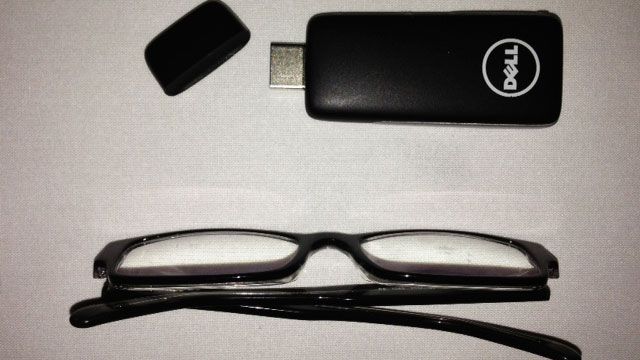
According to CNET, Dell is working on a new creation dubbed Project Ophelia: a USB-sized, Android-powered HDMI port that plugs into any computer monitor or television (provided it’s equipped with an HDMI plug, of course). The device lets users access locally-stored files, plus it allows for remote access to other desktops and the Google Play store, including apps, movies, and television shows.

Recommended Videos

Of course, if you’re connecting to a television rather than a computer, you’ll need to be sure to have a Bluetooth keyboard and mouse handy – which, for travelers, are much lighter to tout around than a full-sized laptop. Plus, you don’t have to empty these from your bags when going through airport security.

The plug can store up to 8GB of internal storage, but this can easily be expanded by using the device’s microSD slot. However, if you don’t want to rely on just the internal storage, you can use PocketCloud to connect to your home computer and access all of your files without over-burdening the internal storage of the plug. You can even upload from and download to your home computer. Oh, and did we mention that despite running on Android, you’ll even be able to use this on an iOS device.

Project Ophelia will be powered by Android 4.1.2 Jelly Bean and runs on a 1.6GHz dual-core Cortex A9 processor. The best part? Besides being able to throw your “computer” into your pocket, it will cost you less than $100.

Joshua Pramis
Spending a childhood engrossed in such technologically inspiring television shows like Voltron, Small Wonder, and Power…
Snapchat Planets Meaning: Order, Rankings, and How Friend Solar System Works
Snapchat Planets turns your best friends list into a solar system, and yes, your orbit says a lot
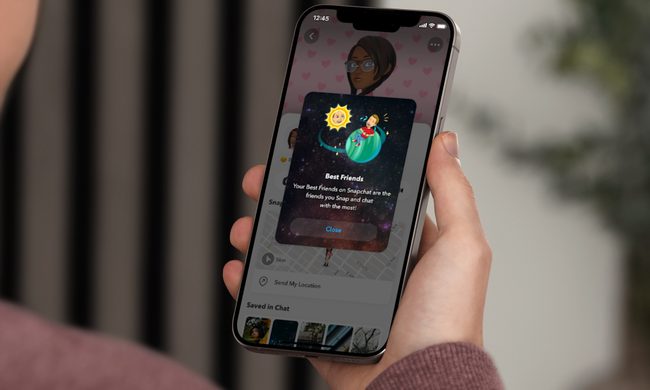
Snapchat Planets being shown on the Snapchat app on iPhone.

Snapchat+ includes several exclusive features, but few have generated as much curiosity as Snapchat Planets. Part of the app's Friend Solar System, it transforms your Best Friends list into a planetary ranking, assigning each of your top eight friends a planet based on how often you interact.

From Mercury, which represents your closest friend, to Neptune, which represents your eighth closest, the system offers a quick visual snapshot of your interactions. But what do the different planets actually mean, and how does Snapchat decide who gets which one?

Read more
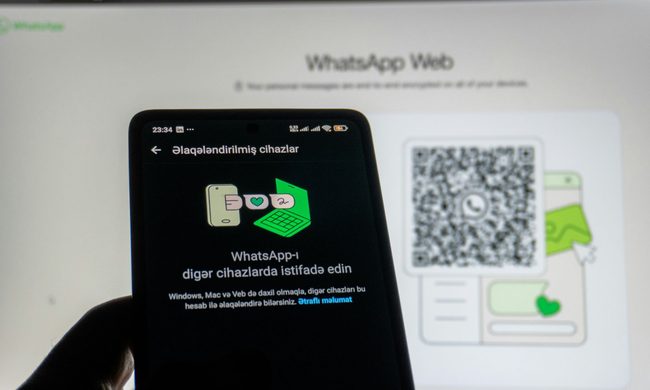
How to use WhatsApp Web
We'll show you how to use WhatsApp on your desktop or laptop
WhatsApp Web

As one of the most popular messaging services, you’ve already heard of WhatsApp. From its humble beginnings in 2009—two years before Apple introduced iMessage—to its acquisition by Facebook (now Meta) in 2014, WhatsApp has become the dominant messaging platform around the globe.

In recent years, it's grown even more potent with new features like video messages, self-destructing voice messages, the ability to edit sent messages, and more. We even finally got an WhatsApp iPad app in May 2025.

Read more
What is WhatsApp? How to use the app, tips, tricks, and more
From setting it up to mastering hidden features, here is your complete guide to WhatsApp.
WhatsApp app store listing open on iPhone

There's no shortage of messaging apps out there. The past decade has given us more options than we know what to do with, largely because smartphones demanded something better than plain old SMS.

Both the App Store and the Play Store are packed with apps that promise to revolutionize the way we communicate. Most of them didn't make it. The truth is, a messaging app is only as good as the number of people using it, and most apps never cross that threshold.

Read more