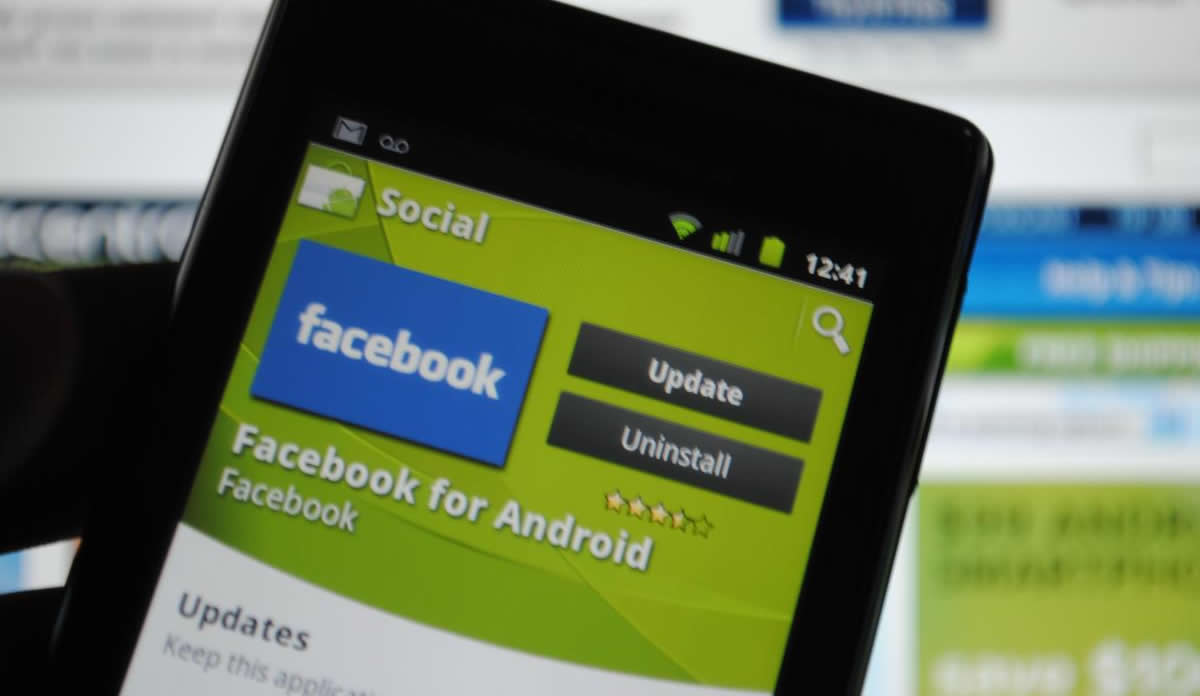
According to a recent study conducted by Nielsen and published on the official company blog, Facebook is the most popular application on Android-powered smartphones besides the Android Market. The social networking app beat out Google applications such as Gmail, Google Search, YouTube and Google Maps. The Facebook application is most popular with people between the ages of 25 to 34 and over 75 percent of people between the ages of 35 to 44 use the social networking application. While the previously mentioned Google apps are also popular among all age groups, Google’s YouTube app is most popular among the younger segment of respondents between the ages of 18 to 24.
 The popular game Angry Birds is most widely used among people between the ages of 35 to 44 while Pandora is very popular among the youngest demographic within the study. Other applications that made the top 15 within each demographic category include Words with Friends, Advanced Task Killer Free, The Weather Channel, Quickoffice, Adobe Reader and Yahoo! Mail. Also included within the Top 15 apps, Amazon’s AppStore is most popular among the oldest demographic with 24 percent of users claiming to have accessed the application in the last 30 days. Respondents between the ages of 18 to 24 are the least likely to use the Amazon AppStore with only 14 percent claiming to use it on a regular basis.
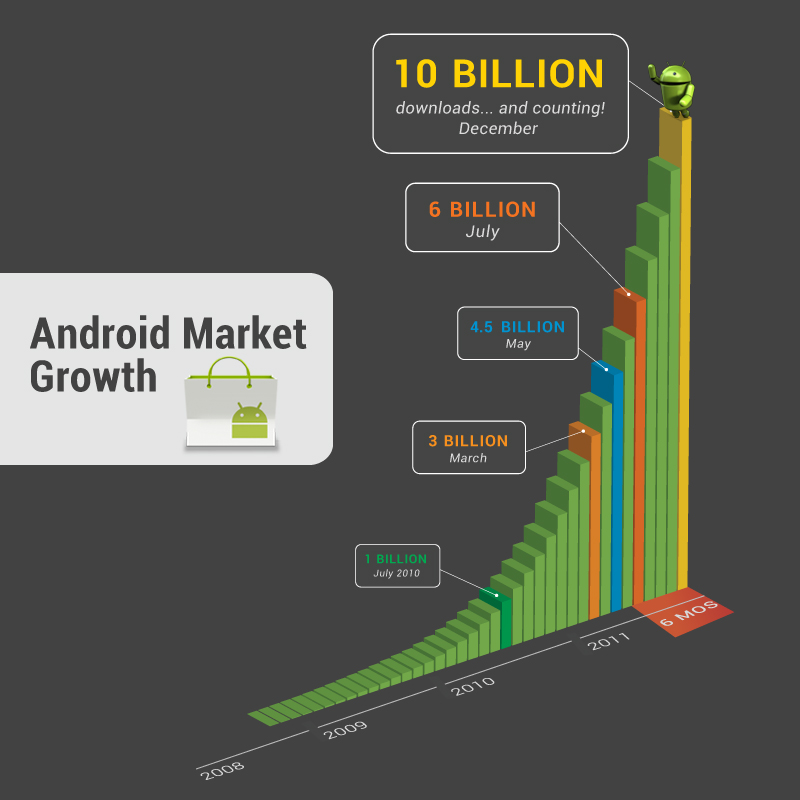
Last week, Google announced that 10 billion apps have been downloaded from the Android Market and the company would celebrate the milestone by reducing prices on select apps down to just 10 cents for a period of 10 days. When compared against Apple’s App Store, it took Google an additional six months to reach the 10 billion download mark. The Android Market was treated to a redesign during May 2011 which contained greater levels of categorization including trending apps, top grossing apps, top developers and apps selected specifically by editors.