1. Home
  2. Mobile
  3. Legacy Archives

First Nokia Windows Phone 7 concept design photos leaked

Add as a preferred source on Google
nokia-windows-phone-7-concept
Image used with permission by copyright holder

The first Nokia Windows Phone 7 concept has arrived. Mere hours after Nokia CEO Stephen Elop and Microsoft chief executive Steve Ballmer took the stage in London Friday to announce a partnership between the two technology giants, Engadget received leaked photos of the first concept phone design born of the new marriage.

Yes, they’re very pretty. Very pretty. We know. But don’t get your giddy little hopes up too high just yet — these are only “concepts.” Which, of course, means we don’t have a single hardware specification, release date, or any other concrete detail to deliver.

Recommended Videos

What this does show us, however, is the direction Nokia-Microsoft plan to head — straight down a path filled with slim, sexy and colorful smartphones. At least, that’s presumably what the folks who leaked these images to Engadget want us to think, since chances are good that these pictures didn’t just happen to come out on the same day that the two companies made major partnership announcement, if you catch our drift.

About that partnership: In the face of strengthening competition from devices running Android or Apple’s iOS, Nokia will adopt Microsoft’s Windows Phone 7 as its primary operating system. That means Nokia will begin to phase-out phones using its Symbian OS, including low-level phones, eventually. (Read the full details of the plan here.)

Microsoft will continue to offer Windows Phone 7 as a licensed platform, but the two companies plan to work closely together to develop a hearty competitor for the burgeoning market of Android- and iOS-based devices.

So far, it’s difficult to gauge whether or not this relationship will bear money-making fruit. We believe that, by making the Nokia-Microsoft partnership a flexible one, the companies have set themselves up for success as best they can. That’s not to say they can easily compete in the increasingly cut-throat smartphone race. But it does mean they have a fighting chances. Especially if their phones are as pleasant to use as these concepts are to behold.

Andrew Couts
Features Editor for Digital Trends, Andrew Couts covers a wide swath of consumer technology topics, with particular focus on…
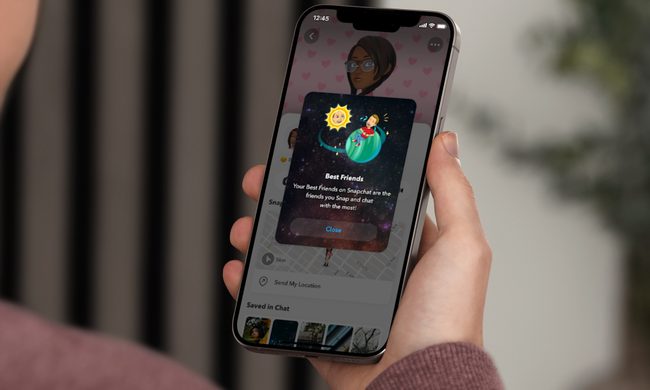
Snapchat Planets: What’s the order, and what do they mean?
Snapchat Planets turns your best friends list into a solar system, and yes, your orbit says a lot
Snapchat Planets being shown on the Snapchat app on iPhone.

Snapchat is already packed with little symbols that can be weirdly hard to decode. You have streaks, emojis, badges, scores, Best Friends, and if you use Snapchat Plus, a tiny solar system that shows where you sit in someone’s closest-friends list.

The feature is called Friend Solar System, though most people just call it Snapchat Planets. It takes your position in a friend’s Snapchat orbit and turns it into a planet. From Mercury to Neptune, these celestial bodies signify how close a person is to you.

Read more
How to use WhatsApp Web
We'll show you how to use WhatsApp on your desktop or laptop
WhatsApp Web

As one of the most popular messaging services, you’ve already heard of WhatsApp. From its humble beginnings in 2009—two years before Apple introduced iMessage—to its acquisition by Facebook (now Meta) in 2014, WhatsApp has become the dominant messaging platform around the globe.

In recent years, it's grown even more potent with new features like video messages, self-destructing voice messages, the ability to edit sent messages, and more. We even finally got an WhatsApp iPad app in May 2025.

Read more
What is WhatsApp? How to use the app, tips, tricks, and more
From setting it up to mastering hidden features, here is your complete guide to WhatsApp.
WhatsApp app store listing open on iPhone

There's no shortage of messaging apps out there. The past decade has given us more options than we know what to do with, largely because smartphones demanded something better than plain old SMS.

Both the App Store and the Play Store are packed with apps that promise to revolutionize the way we communicate. Most of them didn't make it. The truth is, a messaging app is only as good as the number of people using it, and most apps never cross that threshold.

Read more