1. Home
  2. Mobile
  3. Android
  4. Business
  5. Computing
  6. Smart Home
  7. Wearables
  8. News

Google is building a hardware division under former Motorola CEO

Add as a preferred source on Google

When Google bought Motorola in 2011, it was widely known that it was to gather up important patents regarding Android. Many believed, however, that Google would use Motorola’s manufacturing capabilities to build a new hardware division. That all went out the window when Google sold Motorola to Lenovo just three years later.

But after Google lost one of its hardware chiefs, Regina Dugan, to Facebook, the company began seriously thinking about a shake-up in its hardware division. Re/code has learned that the search giant has hired former Motorola President Rick Osterloh as a senior vice president who will report directly to CEO Sundar Pichai.

Recommended Videos

Osterloh hasn’t been unemployed for too long, as he only left his previous position last month. He will now run the new hardware product line, overseeing Google’s Nexus devices, according to a Google representative that confirmed the news to Re/code.

Android Senior Vice President Hiroshi Lockheimer will now work more on the software and platform development side, and Osterloh will take over the hardware development aspect, as well as maintaining the company’s OEM partnerships. A lot the hardware-related projects Lockheimer oversaw are being pushed towardsOsterloh.

The hardware division Osterloh will lead also includes products under the “living room” category, which shows how serious Google is about improving its connected devices for a smarter home. Osterloh will also oversee the Chromecast streaming stick; consumer hardware like Chromebooks and the Pixel C; Google’s wireless router, OnHub; Google’s Advanced Technology and Projects division, which includes Project Ara; and Google Glass, which also includes Project Aura (the next iteration of the headgear).

Nest, the smart thermostat — and its CEO, Tony Fadel — is staying separate from Google.

We have reached out to Google for comment and will update this post when we hear back.

Julian Chokkattu
Former Mobile and Wearables Editor
Julian is the mobile and wearables editor at Digital Trends, covering smartphones, fitness trackers, smartwatches, and more…
Snapchat Planets: What’s the order, and what do they mean?
Snapchat Planets turns your best friends list into a solar system, and yes, your orbit says a lot
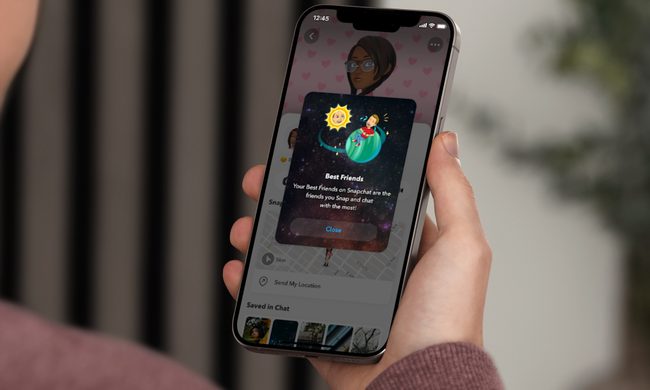
Snapchat Planets being shown on the Snapchat app on iPhone.

Snapchat is already packed with little symbols that can be weirdly hard to decode. You have streaks, emojis, badges, scores, Best Friends, and if you use Snapchat Plus, a tiny solar system that shows where you sit in someone’s closest-friends list.

The feature is called Friend Solar System, though most people just call it Snapchat Planets. It takes your position in a friend’s Snapchat orbit and turns it into a planet. From Mercury to Neptune, these celestial bodies signify how close a person is to you.

Read more
How to use WhatsApp Web
We'll show you how to use WhatsApp on your desktop or laptop
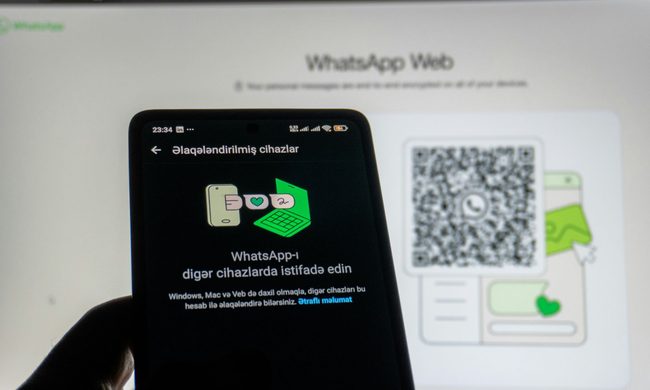
WhatsApp Web

As one of the most popular messaging services, you’ve already heard of WhatsApp. From its humble beginnings in 2009—two years before Apple introduced iMessage—to its acquisition by Facebook (now Meta) in 2014, WhatsApp has become the dominant messaging platform around the globe.

In recent years, it's grown even more potent with new features like video messages, self-destructing voice messages, the ability to edit sent messages, and more. We even finally got an WhatsApp iPad app in May 2025.

Read more
What is WhatsApp? How to use the app, tips, tricks, and more
From setting it up to mastering hidden features, here is your complete guide to WhatsApp.
Electronics, Phone, Mobile Phone

There's no shortage of messaging apps out there. The past decade has given us more options than we know what to do with, largely because smartphones demanded something better than plain old SMS.

Both the App Store and the Play Store are packed with apps that promise to revolutionize the way we communicate. Most of them didn't make it. The truth is, a messaging app is only as good as the number of people using it, and most apps never cross that threshold.

Read more