1. Home
  2. Mobile
  3. Legacy Archives

Google Learns Supporting Mobile Phones is No Fun

Add as a preferred source on Google

Google’s much-hyped Nexus One smartphone may be pushing the boundaries of what’s possible with Internet-savvy mobile technolgy…but Google now seems to be learning there’s more to launching a smartphone than merely having a smartphone. Barely a week after the Nexus One’s debut, Google’s online support forums—no, there is no in-person tech support—have been flooded with complaints from customers. Part of the complaints stem from the automated nature of Google’s customer support: users can peruse FAQs, read troubleshooting guides, and fill out forms, but they generally aren’t going to get a response to their questions from a real human being. Folks might be OK with that level of assistance with for-free services like Gmail and Internet searching, but when consumers have spent in the neighborhood of $200 to $600 for a Google device…they seem to expect a little more.
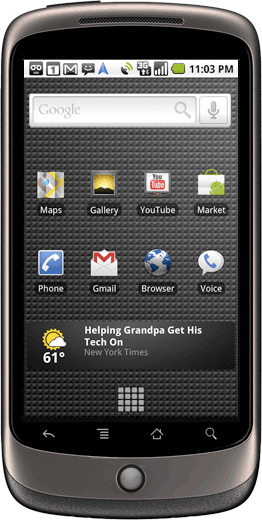
Google Nexus One
Image used with permission by copyright holder

As if that wasn’t enough, Nexus One customers are also complaining about the availability of 3G wireless service from T-Mobile: some Nexus One users complain the devices are constantly switching between 3G and lower-bandwidth EDGE data services. A Google representative has described the problems as affecting a “small number of users” and says the companies are looking into the matter.

Recommended Videos

Nexus One customers also seem to be confused who they can turn to for help: some have tried contacting HTC (which makes the Nexus One), others have tried contacting T-Mobile, and others have tried contacting all three companies. Several have reported being bounced back and forth between HTC and T-Mobile, with each referring to the other as the company responsible for handling a particular problem. Customers have also complained about access to delivery status information after purchasing a phone.

Geoff Duncan
Former Contributor
Geoff Duncan writes, programs, edits, plays music, and delights in making software misbehave. He's probably the only member…
Snapchat Planets: What’s the order, and what do they mean?
Snapchat Planets turns your best friends list into a solar system, and yes, your orbit says a lot
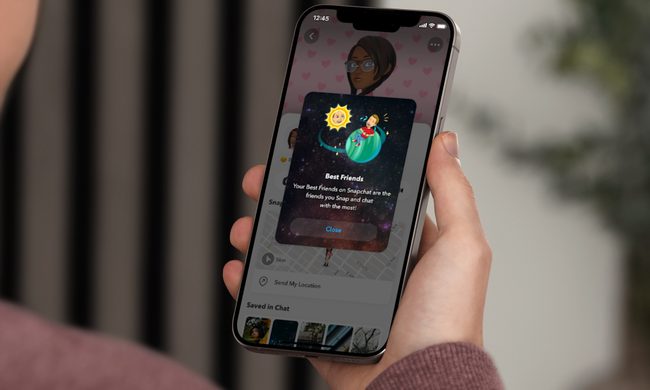
Snapchat Planets being shown on the Snapchat app on iPhone.

Snapchat is already packed with little symbols that can be weirdly hard to decode. You have streaks, emojis, badges, scores, Best Friends, and if you use Snapchat Plus, a tiny solar system that shows where you sit in someone’s closest-friends list.

The feature is called Friend Solar System, though most people just call it Snapchat Planets. It takes your position in a friend’s Snapchat orbit and turns it into a planet. From Mercury to Neptune, these celestial bodies signify how close a person is to you.

Read more
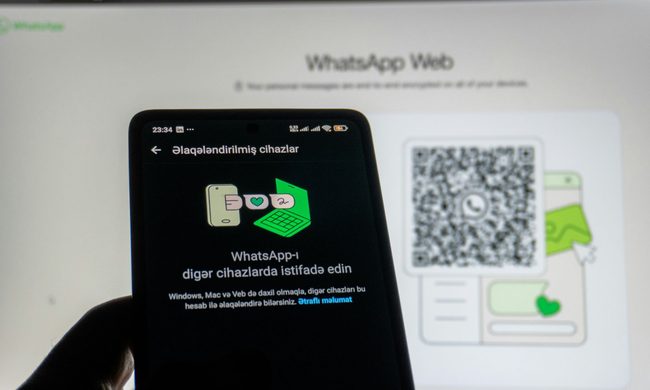
How to use WhatsApp Web
We'll show you how to use WhatsApp on your desktop or laptop
WhatsApp Web

As one of the most popular messaging services, you’ve already heard of WhatsApp. From its humble beginnings in 2009—two years before Apple introduced iMessage—to its acquisition by Facebook (now Meta) in 2014, WhatsApp has become the dominant messaging platform around the globe.

In recent years, it's grown even more potent with new features like video messages, self-destructing voice messages, the ability to edit sent messages, and more. We even finally got an WhatsApp iPad app in May 2025.

Read more
What is WhatsApp? How to use the app, tips, tricks, and more
From setting it up to mastering hidden features, here is your complete guide to WhatsApp.
Electronics, Phone, Mobile Phone

There's no shortage of messaging apps out there. The past decade has given us more options than we know what to do with, largely because smartphones demanded something better than plain old SMS.

Both the App Store and the Play Store are packed with apps that promise to revolutionize the way we communicate. Most of them didn't make it. The truth is, a messaging app is only as good as the number of people using it, and most apps never cross that threshold.

Read more