  1. Home
  2. Mobile
  3. Legacy Archives

Google patents a new way to conserve your phone’s battery life

Add as a preferred source on Google
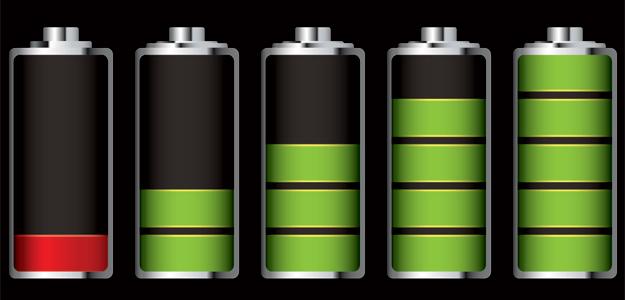
battery technology energy icon indicators
Image used with permission by copyright holder

Cell phone manufacturers are always looking for new ways to help reduce the rapid loss of battery life, something that is becoming increasingly difficult as advances are made that let us use our phones for more and more, taking an even bigger toll on the battery. (Remember the days when your phone could go for days in between charging?)

The most common two suggestions for conserving battery life are quitting out of all apps that run in the background, even after closing them out, and turning down the brightness on your screen. Many phones will sense the life left in your battery and automatically reduce the brightness on its own — or even do it based on whether your current activity warrants a vibrant screen.

Recommended Videos

google-oled-patent-569x650Unconvinced that brightness is the function that should be focused on, Google’s new mobile patent would see that devices focus on three other display variables.

First, once the device senses that the battery life is entering the dangerously low zone, the phone will disable and blur and animation functions which would otherwise be automatic.

As the battery continues to drain, the phone will make its next move. In addition to the above, it will then reduce the phone’s resolution.

Finally, the patent shows that a third step will be taken, and the phone will only allow select colors to appear on the display.

On the one hand, if the above helps to make our phone’s battery last even longer, it’s a good thing. But on the other hand, we pay extra for devices with beautiful screens, and brightness reduction seems like an aesthetically better way to save on battery life.

Joshua Pramis
Spending a childhood engrossed in such technologically inspiring television shows like Voltron, Small Wonder, and Power…
Snapchat Planets Meaning: Order, Rankings, and How Friend Solar System Works
Snapchat Planets turns your best friends list into a solar system, and yes, your orbit says a lot
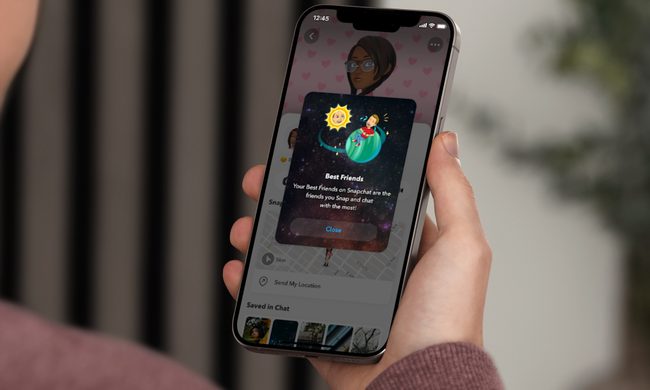
Snapchat Planets being shown on the Snapchat app on iPhone.

Snapchat+ includes several exclusive features, but few have generated as much curiosity as Snapchat Planets. Part of the app's Friend Solar System, it transforms your Best Friends list into a planetary ranking, assigning each of your top eight friends a planet based on how often you interact.

From Mercury, which represents your closest friend, to Neptune, which represents your eighth closest, the system offers a quick visual snapshot of your interactions. But what do the different planets actually mean, and how does Snapchat decide who gets which one?

Read more
How to use WhatsApp Web
We'll show you how to use WhatsApp on your desktop or laptop
WhatsApp Web

As one of the most popular messaging services, you’ve already heard of WhatsApp. From its humble beginnings in 2009—two years before Apple introduced iMessage—to its acquisition by Facebook (now Meta) in 2014, WhatsApp has become the dominant messaging platform around the globe.

In recent years, it's grown even more potent with new features like video messages, self-destructing voice messages, the ability to edit sent messages, and more. We even finally got an WhatsApp iPad app in May 2025.

Read more
What is WhatsApp? How to use the app, tips, tricks, and more
From setting it up to mastering hidden features, here is your complete guide to WhatsApp.
WhatsApp app store listing open on iPhone

There's no shortage of messaging apps out there. The past decade has given us more options than we know what to do with, largely because smartphones demanded something better than plain old SMS.

Both the App Store and the Play Store are packed with apps that promise to revolutionize the way we communicate. Most of them didn't make it. The truth is, a messaging app is only as good as the number of people using it, and most apps never cross that threshold.

Read more