1. Home
  2. Mobile
  3. Legacy Archives

Google unveils Google Wallet and Google Offers for mobile payments

Add as a preferred source on Google
Image used with permission by copyright holder

At a press conference in New York moments ago, Google officially announced Google Wallet, an open near-field communications platform, and Google Offers, a deal’s program that will work with the Google Wallet. Partnering with Mastercard, First Data, Sprint, Citi Bank, Google plans to let you take everything in your wallet and move it to your phone with an easy-to-use application. The goal is for all credit cards, store loyalty programs, and coupons to eventually be compatible with the Google Wallet system, which lets you tap your phone at a pay spot to complete a transaction, much like MasterCard’s PayPass technology, which has been in use for some years now. The technology platform will be open for RIM, Apple, and other competitors to use, as long as they integrate NFC chips into their phones.

Field testing will begin testing in New York and San Francisco (and Portland for Google Offers), and it should launch everywhere this summer. The only Android phone currently equipped with the NFC chip necessary to use this technology is the Samsung Nexus S, but most upcoming Android phones will supposedly integrate the chip. According to Google, more than 120,000 U.S. merchant locations are already equipped to begin using this technology.

Recommended Videos

Retailers like Subway, Macy’s Walgreens, Toys R Us, and Noah’s Bagels have already signed onboard. The Wallet supports multiple credit cards, multiple store loyalty cards, and uses passwords, encryption, physical proximity, and a lot of other “special sauce” to ensure that the process is actually safer and more secure than any other digital payment system. Google claims that it is actually more secure than having a real wallet. Of course, a real wallet doesn’t run low on batteries.

Google Offers will be similar to Groupon-style deal sites and will integrate into the Wallet ecosystem.

We’ll have a separate post explaining how the whole system works shortly.

Jeffrey Van Camp
As DT's Deputy Editor, Jeff helps oversee editorial operations at Digital Trends. Previously, he ran the site's…
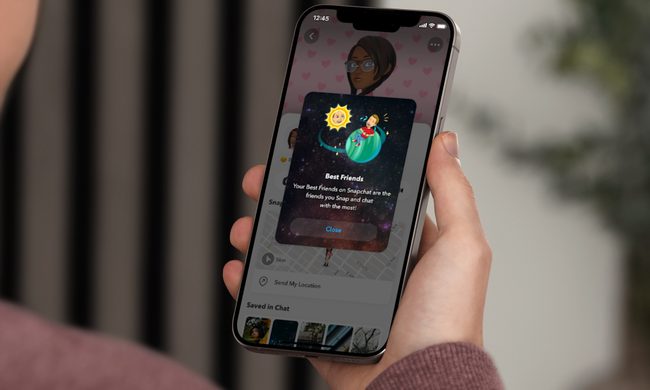
Snapchat Planets: What’s the order, and what do they mean?
Snapchat Planets turns your best friends list into a solar system, and yes, your orbit says a lot
Snapchat Planets being shown on the Snapchat app on iPhone.

Snapchat is already packed with little symbols that can be weirdly hard to decode. You have streaks, emojis, badges, scores, Best Friends, and if you use Snapchat Plus, a tiny solar system that shows where you sit in someone’s closest-friends list.

The feature is called Friend Solar System, though most people just call it Snapchat Planets. It takes your position in a friend’s Snapchat orbit and turns it into a planet. From Mercury to Neptune, these celestial bodies signify how close a person is to you.

Read more
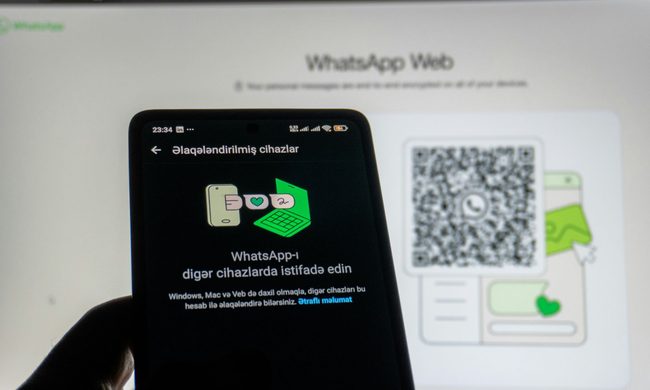
How to use WhatsApp Web
We'll show you how to use WhatsApp on your desktop or laptop
WhatsApp Web

As one of the most popular messaging services, you’ve already heard of WhatsApp. From its humble beginnings in 2009—two years before Apple introduced iMessage—to its acquisition by Facebook (now Meta) in 2014, WhatsApp has become the dominant messaging platform around the globe.

In recent years, it's grown even more potent with new features like video messages, self-destructing voice messages, the ability to edit sent messages, and more. We even finally got an WhatsApp iPad app in May 2025.

Read more
What is WhatsApp? How to use the app, tips, tricks, and more
From setting it up to mastering hidden features, here is your complete guide to WhatsApp.
Electronics, Phone, Mobile Phone

There's no shortage of messaging apps out there. The past decade has given us more options than we know what to do with, largely because smartphones demanded something better than plain old SMS.

Both the App Store and the Play Store are packed with apps that promise to revolutionize the way we communicate. Most of them didn't make it. The truth is, a messaging app is only as good as the number of people using it, and most apps never cross that threshold.

Read more