  1. Home
  2. Mobile
  3. Legacy Archives

Hands on with Verizon debut LG Revolution 4G

Add as a preferred source on Google
Image used with permission by copyright holder

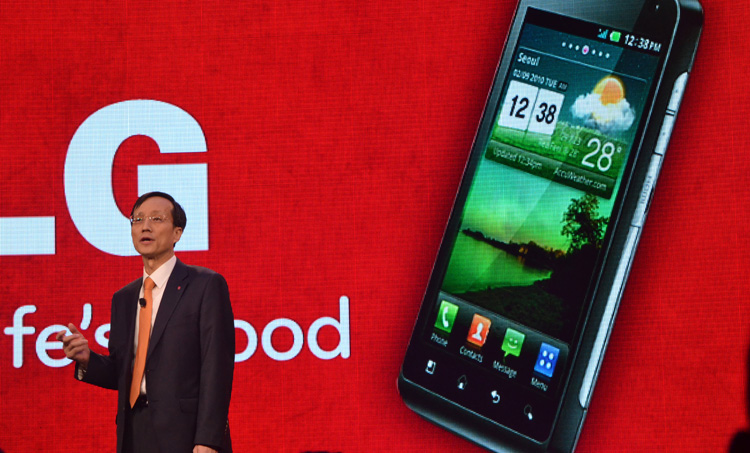
Verizon debuted 10 new 4G devices at its CES press conference today. One of the most interesting was the LG Revolution, the manufacturer’s first LTE device. It’s screen can’t match the Super AMOLED Plus display on the new Samsung 4G phone, but it is comparable to the new HTC Thunderbolt and one of LG’s finest looking touch smartphones and proves the manufacturer is really getting its act together and competing with the best.

The most striking thing about the phone is how well it handles the high speeds of Verizon’s network. We visited several media-rich Websites and the phone didn’t appear to miss a hitch. It currently runs Android 2.2, but will be getting the Android 2.3 update before release. The touchscreen is capacitive and rings in at 4.3 inches (the size of the Droid X screen) and the phone can share its 4G connection and become a mobile hotspot for upt o 8 other Wi-Fi capable devices. It comes with 16GB of internal memory, a micro HDMI connector (like a lot of new phones), a 5MP rear camera, and a front-facing camera as well.

Recommended Videos

My favorite new feature: the phone has a sensor that will lock the touchscreen when the phone is up to your cheek and you’re talking, again making it possible for me to talk with the phone jammed between my cheek and shoulder without fear of accidentally hanging up.

The LG Revolution will launch in the first half of 2011. No pricing has been announced, but it will likely launch for $200-$300 with a 2-year Verizon contract.

Image used with permission by copyright holder
Jeffrey Van Camp
As DT's Deputy Editor, Jeff helps oversee editorial operations at Digital Trends. Previously, he ran the site's…
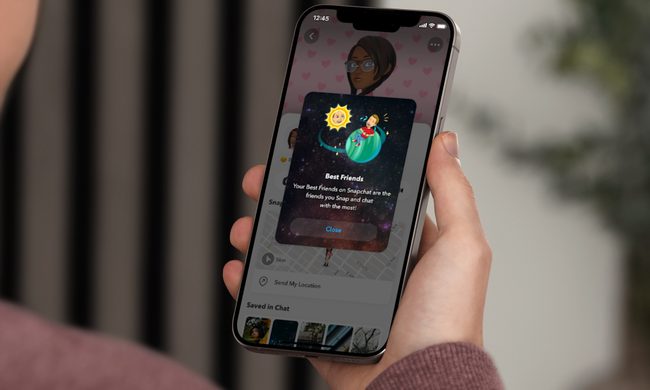
Snapchat Planets: What’s the order, and what do they mean?
Snapchat Planets turns your best friends list into a solar system, and yes, your orbit says a lot
Snapchat Planets being shown on the Snapchat app on iPhone.

Snapchat is already packed with little symbols that can be weirdly hard to decode. You have streaks, emojis, badges, scores, Best Friends, and if you use Snapchat Plus, a tiny solar system that shows where you sit in someone’s closest-friends list.

The feature is called Friend Solar System, though most people just call it Snapchat Planets. It takes your position in a friend’s Snapchat orbit and turns it into a planet. From Mercury to Neptune, these celestial bodies signify how close a person is to you.

Read more
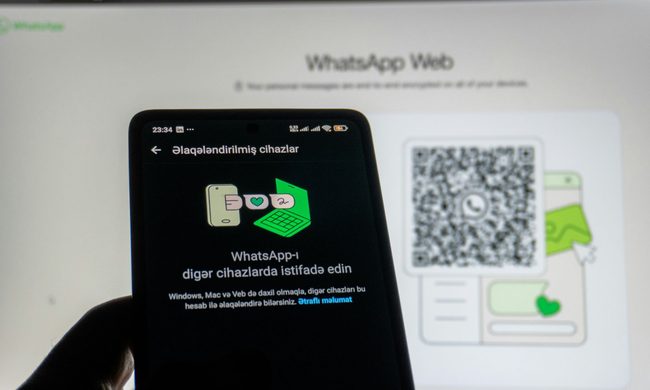
How to use WhatsApp Web
We'll show you how to use WhatsApp on your desktop or laptop
WhatsApp Web

As one of the most popular messaging services, you’ve already heard of WhatsApp. From its humble beginnings in 2009—two years before Apple introduced iMessage—to its acquisition by Facebook (now Meta) in 2014, WhatsApp has become the dominant messaging platform around the globe.

In recent years, it's grown even more potent with new features like video messages, self-destructing voice messages, the ability to edit sent messages, and more. We even finally got an WhatsApp iPad app in May 2025.

Read more
What is WhatsApp? How to use the app, tips, tricks, and more
From setting it up to mastering hidden features, here is your complete guide to WhatsApp.
WhatsApp app store listing open on iPhone

There's no shortage of messaging apps out there. The past decade has given us more options than we know what to do with, largely because smartphones demanded something better than plain old SMS.

Both the App Store and the Play Store are packed with apps that promise to revolutionize the way we communicate. Most of them didn't make it. The truth is, a messaging app is only as good as the number of people using it, and most apps never cross that threshold.

Read more