1. Home
  2. Mobile
  3. Android
  4. Apple
  5. Legacy Archives

You can already make your Android phone look like iOS 7

Add as a preferred source on Google
joOS7-theme-for-Android_610x434
Image used with permission by copyright holder

If you are up-to-date with all the latest news in Apple’s world, then you know all about iOS 7 and what it has to offer. But even if you’re a little iffy on the details of the new operating system, one aspect we’re sure you’re very familiar with at this point is its design. 

Lots of comparisons have been made to the Windows Phone motif, leaving Android feeling like a bit of an outcast … until now. The folks at CNET came across a new theme dubbed, appropriately enough, jbOS 7 (Jelly Bean OS 7). The theme comes with a slew of custom icons that mimic the Jony Ive creations Apple unveiled last week. It works with Nova Launcher, which allows users to replace their home screens, provided their phones are using Android 4.0 or newer. 

Recommended Videos

Posted to the theme-sharing Web site MyColorScreen and designed someone named “shmogt,” the theme can’t promise to give Android users the full iOS 7 experience — especially since the official, final release won’t even make its way to the public until the fall — but it does do more than just skin the home screen.

“The theme also has a lock screen as well as two additional screens that act as apps,” shmogt said in an email to CNET. “For example, you press the weather icon and it takes you to the weather screen I designed rather than open the weather app.” 

The result is a really slick-looking interface that looks a whole lot like iOS 7, while retaining some of Android’s personality. (Don’t worry diehard Android fanatics; you won’t be completely crossing over into iOS territory if you decide to give it a go.) If you want to try it out, check out the instructional video below, and let us know if you like it.

Joshua Pramis
Spending a childhood engrossed in such technologically inspiring television shows like Voltron, Small Wonder, and Power…
Snapchat Planets Meaning: Order, Rankings, and How Friend Solar System Works
Snapchat Planets turns your best friends list into a solar system, and yes, your orbit says a lot
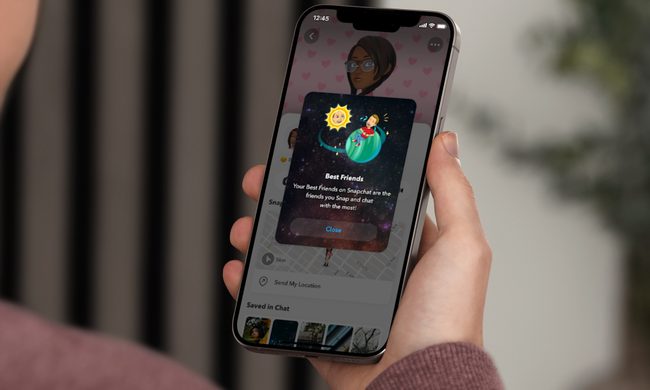
Snapchat Planets being shown on the Snapchat app on iPhone.

Snapchat+ includes several exclusive features, but few have generated as much curiosity as Snapchat Planets. Part of the app's Friend Solar System, it transforms your Best Friends list into a planetary ranking, assigning each of your top eight friends a planet based on how often you interact.

From Mercury, which represents your closest friend, to Neptune, which represents your eighth closest, the system offers a quick visual snapshot of your interactions. But what do the different planets actually mean, and how does Snapchat decide who gets which one?

Read more
How to use WhatsApp Web
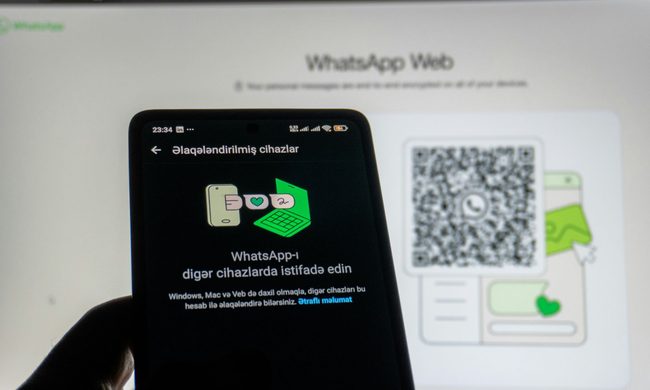
We'll show you how to use WhatsApp on your desktop or laptop
WhatsApp Web

As one of the most popular messaging services, you’ve already heard of WhatsApp. From its humble beginnings in 2009—two years before Apple introduced iMessage—to its acquisition by Facebook (now Meta) in 2014, WhatsApp has become the dominant messaging platform around the globe.

In recent years, it's grown even more potent with new features like video messages, self-destructing voice messages, the ability to edit sent messages, and more. We even finally got an WhatsApp iPad app in May 2025.

Read more
What is WhatsApp? How to use the app, tips, tricks, and more
From setting it up to mastering hidden features, here is your complete guide to WhatsApp.
WhatsApp app store listing open on iPhone

There's no shortage of messaging apps out there. The past decade has given us more options than we know what to do with, largely because smartphones demanded something better than plain old SMS.

Both the App Store and the Play Store are packed with apps that promise to revolutionize the way we communicate. Most of them didn't make it. The truth is, a messaging app is only as good as the number of people using it, and most apps never cross that threshold.

Read more