1. Home
  2. Mobile
  3. Android
  4. Legacy Archives

HTC to offer affordable, mini version of the One

Add as a preferred source on Google

HTC-M4Check out our review of the HTC One Mini smartphone.

The Internet has been buzzing with speculation about mini versions of popular phones, with the alleged iPhone Mini leading the rumor pack. It seems that smartphone manufacturers are finally starting to understand that, while so many people want to rock a top notch device, not everyone can afford the steep price tag associated with the bulk of them.

Recommended Videos

Now it looks like HTC is jumping on that bandwagon, according to a report from PhoneArena earlier today. The company appears to be in the development stages for a smaller, more affordable version of its HTC One flagship phone.

The flagship model currently retails for around $600, without a contract. We’re not sure what the pricing will be on this more affordable version, if it is, in fact, going to be a reality, but without a doubt it’s going to be low enough that it is accessible to a far wider audience.

The cheaper device, code named the HTC M4, is expected to look almost exactly like its big brother, though slightly smaller, sporting a 4.3-inch, 720p display, as opposed to the 4.7-inch, 1080p the original sports.

Rather than the quad-core processor the One is powered by, the mini version is expected to run on a dual-core chip. Total storage will max out at 16GB. (No word whether there will be versions with less storage.) Since the phone won’t need as much power as the One, the battery (which will likely not be removable) will be reduced to 1700mAh.

No concrete date has been set for the device to hit the market, but it’s expected to see the light of day sometime toward the end of Q2. We wouldn’t be surprised to see this trend of affordable minis to continue to make its way across all manufacturers in the very near future.

Joshua Pramis
Spending a childhood engrossed in such technologically inspiring television shows like Voltron, Small Wonder, and Power…
Snapchat Planets Meaning: Order, Rankings, and How Friend Solar System Works
Snapchat Planets turns your best friends list into a solar system, and yes, your orbit says a lot
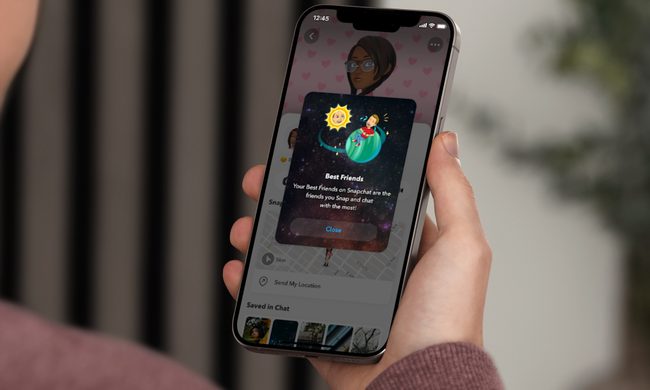
Snapchat Planets being shown on the Snapchat app on iPhone.

Snapchat+ includes several exclusive features, but few have generated as much curiosity as Snapchat Planets. Part of the app's Friend Solar System, it transforms your Best Friends list into a planetary ranking, assigning each of your top eight friends a planet based on how often you interact.

From Mercury, which represents your closest friend, to Neptune, which represents your eighth closest, the system offers a quick visual snapshot of your interactions. But what do the different planets actually mean, and how does Snapchat decide who gets which one?

Read more
How to use WhatsApp Web
We'll show you how to use WhatsApp on your desktop or laptop
WhatsApp Web

As one of the most popular messaging services, you’ve already heard of WhatsApp. From its humble beginnings in 2009—two years before Apple introduced iMessage—to its acquisition by Facebook (now Meta) in 2014, WhatsApp has become the dominant messaging platform around the globe.

In recent years, it's grown even more potent with new features like video messages, self-destructing voice messages, the ability to edit sent messages, and more. We even finally got an WhatsApp iPad app in May 2025.

Read more
What is WhatsApp? How to use the app, tips, tricks, and more
From setting it up to mastering hidden features, here is your complete guide to WhatsApp.
WhatsApp app store listing open on iPhone

There's no shortage of messaging apps out there. The past decade has given us more options than we know what to do with, largely because smartphones demanded something better than plain old SMS.

Both the App Store and the Play Store are packed with apps that promise to revolutionize the way we communicate. Most of them didn't make it. The truth is, a messaging app is only as good as the number of people using it, and most apps never cross that threshold.

Read more