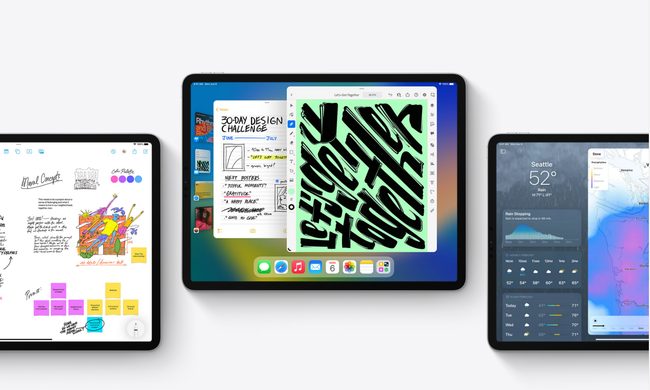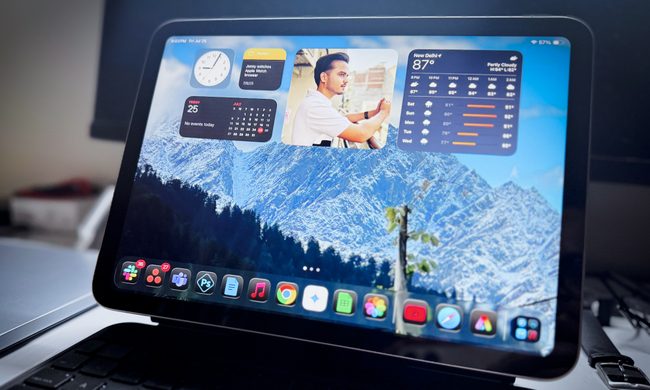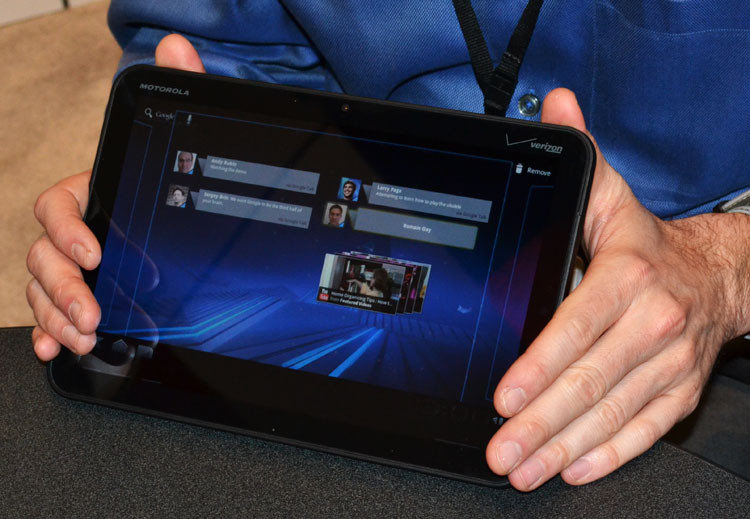
This week Deutsche Bank reported that the Xoom sold 100,000 units so far, which compares to the iPad’s initial weekend sales of 300,000 very badly. Current estimates indicate there are 20 million iPads in the market, suggesting the Xoom failed. Recall that the Samsung Galaxy tablet sold an estimated 250,000 units in the hot fourth quarter of last year, a small fraction of the iPads sold. You might conclude that Android just can’t compete. Let’s explore this.
Crippled from the start
When Apple products come to market, they are complete. They have a full set of included applications that make them useful, and the key parts that folks want are finished. They also come out at premium prices, which typically set the most you can charge for a similar product. The smart play, if you are a competitor, is to build a product that is differentiated from the Apple offering, but that still contains the core capabilities at a lower price, and then market it strongly. That isn’t what Motorola did, and it may have effectively killed the Xoom.
The Xoom’s failure
There has been an assumption that the Xoom costs substantially more than the iPad to build, which is why Motorola initially priced it well above the iPad. However, I just saw recent analysis that said it only cost $26 more, making Motorola’s high-price strategy even more difficult to understand. Apple sets the premium price point. You can’t successfully price above Apple unless you have something that is substantially better, and the Xoom wasn’t.
In addition, the Xoom launched without its two key differentiators: 4G and Flash support. While Flash could be a later software upgrade, 4G support wasn’t, and early adopters were told that the product would need to be shipped back to Motorola for six days to be rebuilt. Granted, this was a free upgrade, but this would be like buying one car over another because it had a V8 engine, then being told it needed to go back into the shop in a few weeks to get that V8 engine. Even at a low price, wouldn’t you wait until they actually finished the car, or in this case the Xoom, before buying it?
Even in marketing and sampling the product, Motorola screwed up. One key marketing application on the Xoom was a cool-looking game, but the device didn’t ship with that game. Another key feature was watching videos, but it didn’t come with a video application that worked out of the box, either. You had to get one yourself.
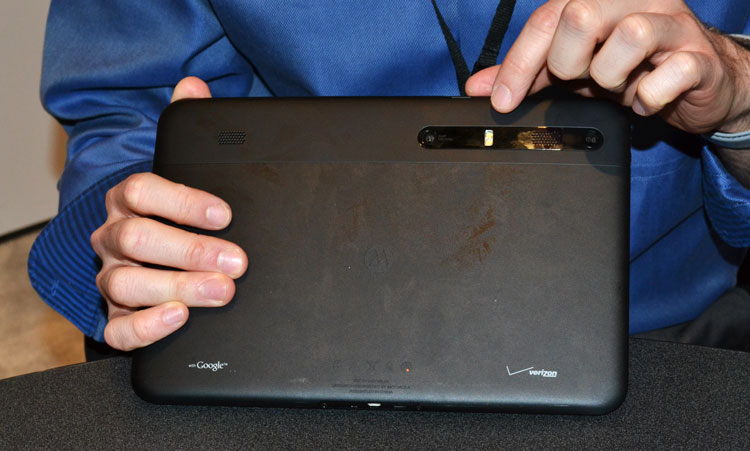
In short, Motorola was selling an incomplete “kit” tablet for more than the luxury product Apple dominated the market with. Going back to cars, this would be like coming to market with a car priced at more than a Lexus that the buyer has to finish himself and ship back to the factory for additional construction at some future point.
I’m actually kind of surprised Motorola even managed to sell 100,000 of these things. However, I’ve been told they had a 20-percent initial return rate, so a lot of folks that did buy seemed to understand they had made a huge mistake.
Is Android dead on tablets?
So far, yes. Android is part of the problem, because Android OEMs are all livid at Google for poor execution. However, Xoom was mostly the fault of Motorola for bringing a product to market that was incomplete and overpriced. Android phones are, in total, outselling Apple phones at the moment, which suggests they can be competitive (though with lawsuits surrounding Android, probably not profitable).
In the end, this is an execution problem that extends from Google through Motorola, and once again emphasizes that the Android ecosystem may be far sicker than it appears from Google’s phone numbers. Since Samsung’s tablet shipped with the phone version of Android (and so wasn’t really complete either), we have yet to see a complete Android tablet in the market, and it is clear an incomplete, overpriced product won’t sell.
Wrapping up: Are these folks idiots?
You really have to ask this question, because you would think that a 6-year-old could figure out that you can’t bring out incomplete products, price them over Apple products, and have any hope of being successful. If you aren’t going to play to win, what the hell is the point of even bothering to enter the competition? The Xoom was a huge waste of effort because Motorola and Google didn’t play to win. Samsung and now Motorola have both struck out batting against the iPad. RIM and HP are next up to the plate; let’s hope they learn from this and do a better job.
The Xoom had a huge amount of potential. It took home plenty of “Best of Show” titles at CES, but like the Palm Pre a few years ago, the executive team pissed this all away. Maybe some of these firms should have a “no more idiots” hiring policy at the executive staff level, because this is just pathetic.