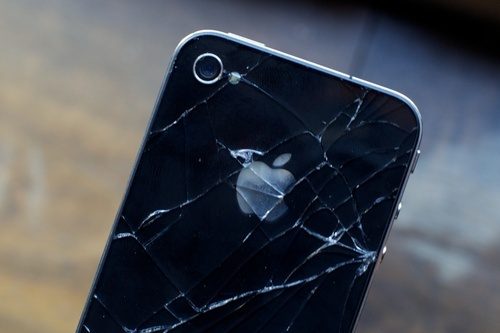
 A man in California hadn’t owned his iPhone 4 a month before his daughter dropped it while trying to send a text message. The phone’s glass casing shattered in the fall. Now Donald LeBuhn is leveling a class action lawsuit at Apple charging the company with knowingly selling a defective product.
“Months after selling millions of iPhone 4s, Apple has failed to warn and continues to sell this product with no warning to customers that the glass housing is defective,” LeBuhn says in the complaint. LeBuhn claims that he previously dropped an iPhone 3GS from the same height — about 3 feet — without the device suffering any harm.
It’s not the first time the iPhone 4’s glass has been scrutinized. In October, a study by warranty provider SquareTrade revealed that iPhone 4 owners were reporting damage 68 percent more frequently than iPhone 3GS owners did four months after both devices had been on the market for four months.
Broken screens were the most frequently reported damage for the iPhone 4, according to the study. However, it’s important to remember that the iPhone 4 has two sides of glass housing — the 3GS only has one side of glass.
SquareTrade issued a followup report a month later that found the iPhone 4 to be the most reliable smartphone on the market, but also on track to become the most accident prone, thanks to breaking screens.
LeBuhn’s lawsuit alleges that Apple makes false claims about the iPhone 4’s durability. Apple’s website says the iPhone 4’s screen is “chemically strengthened to be 20 times stiffer and 30 times harder than plastic” and “ultradurable” and made from the “same type of glass used in the windshields of helicopters and high-speed trains.”
LeBuhn’s lawsuit asks for the $252 that he paid for the phone to be refunded, and that all iPhone 4 owners who’ve had similar experiences receive a refund or be reimbursed for the cost of repairs.