  1. Home
  2. Mobile
  3. Legacy Archives

Microsoft apologizes for Windows Phone update mess

Add as a preferred source on Google
Image used with permission by copyright holder

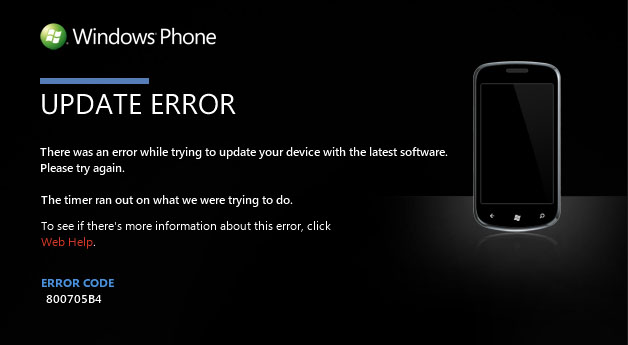
Microsoft’s first update to Windows Phone 7 devices has not gone smoothly. First it was delayed several times, then a preliminary patch began bricking some phones, and now many users still haven’t received the promised upgrade, which will allow copying/pasting on WP7 devices, among other things. The problem has gotten so bad that Microsoft’s Joe Belfiore has apologized for the mess in a comment on Microsoft’s developer site, reports Ina Fried.

“Many of you are making critical comments here which are certainly fair,” wites Belfiore. “First, I was wrong when I said  “most people have received the February update.” There are many of you who have yet to receive it, and I don’t blame you for speaking up and pointing out my mistake. Second, I referred to our updates as “complete” because I was thinking of the internal process where we pass completed software to another group who delivers them – but of course no update is complete until you all have it.  Plus, at the time I did the interview we had started the NoDo (“march update”) delivery process and I knew “it was going well” from our perspective:  people were officially getting it, the success rate of its deployment on real-world phones was looking good, and we were happy that the process had STARTED well.  Still—these are NOT the same as all of you getting it and I’m sorry that I came across as insensitive to that fact.”

Recommended Videos

Belfiore goes on to agree with users that Microsoft has been too quiet and vague on what is in updates, when they are coming, and addressing problems. Top Windows commentators, like Paul Thurrot, have been openly upset about Microsoft’s lack of communication on updates since Windows Phone launched in Nov. 2010. Thurrot, who author an ongoing guide to Windows Phone, claims that Microsoft is hurting itself immensely by not updating its OS or even revealing a full list of features coming in the March “NoDo” update.

Do you have a Windows Phone? If so, did you get the update?

Jeffrey Van Camp
As DT's Deputy Editor, Jeff helps oversee editorial operations at Digital Trends. Previously, he ran the site's…
Snapchat Planets: What’s the order, and what do they mean?
Snapchat Planets turns your best friends list into a solar system, and yes, your orbit says a lot
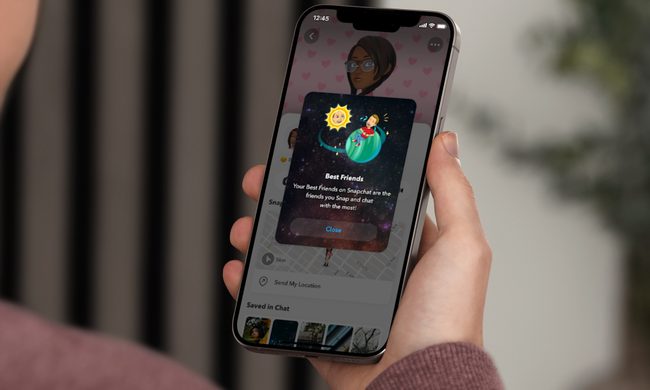
Snapchat Planets being shown on the Snapchat app on iPhone.

Snapchat is already packed with little symbols that can be weirdly hard to decode. You have streaks, emojis, badges, scores, Best Friends, and if you use Snapchat Plus, a tiny solar system that shows where you sit in someone’s closest-friends list.

The feature is called Friend Solar System, though most people just call it Snapchat Planets. It takes your position in a friend’s Snapchat orbit and turns it into a planet. From Mercury to Neptune, these celestial bodies signify how close a person is to you.

Read more
How to use WhatsApp Web
We'll show you how to use WhatsApp on your desktop or laptop
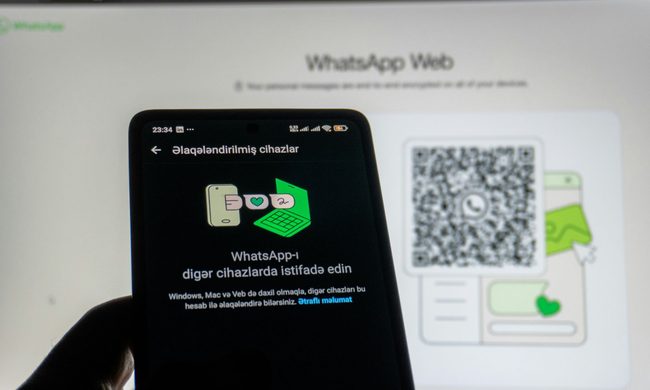
WhatsApp Web

As one of the most popular messaging services, you’ve already heard of WhatsApp. From its humble beginnings in 2009—two years before Apple introduced iMessage—to its acquisition by Facebook (now Meta) in 2014, WhatsApp has become the dominant messaging platform around the globe.

In recent years, it's grown even more potent with new features like video messages, self-destructing voice messages, the ability to edit sent messages, and more. We even finally got an WhatsApp iPad app in May 2025.

Read more
What is WhatsApp? How to use the app, tips, tricks, and more
From setting it up to mastering hidden features, here is your complete guide to WhatsApp.
WhatsApp app store listing open on iPhone

There's no shortage of messaging apps out there. The past decade has given us more options than we know what to do with, largely because smartphones demanded something better than plain old SMS.

Both the App Store and the Play Store are packed with apps that promise to revolutionize the way we communicate. Most of them didn't make it. The truth is, a messaging app is only as good as the number of people using it, and most apps never cross that threshold.

Read more