  1. Home
  2. Mobile
  3. Music
  4. Legacy Archives

Microsoft backpeddles, says Zune is still alive

Add as a preferred source on Google
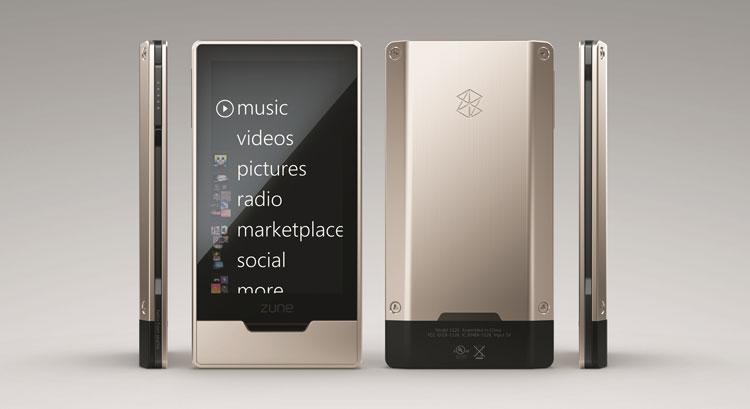
zune-hd
Image used with permission by copyright holder

Yesterday, we reported that Microsoft had officially announced that the Zune HD and hardware was dead and that Windows Phone was the new focus for the brand. That information came directly from a page on Zune.net. Well, now Microsoft claims that it was all a big mistake and that it wasn’t official in the first place.

Here’s what the @ZuneSupport team said on Twitter: “We are still supporting the Zune HD hardware. No official info has been released stating hardware is being discontinued.”

Recommended Videos

Well, okay. Here’s what the message on the Zune.net site said yesterday: “We recently announced that, going forward, Windows Phone will be the focus of our mobile music and video strategy, and that we will no longer be producing Zune players. So what does this mean for our current Zune users? Absolutely nothing. Your device will continue to work with Zune services just as it does today. And we will continue to honor the warranties of all devices for both current owners and those who buy our very last devices. Customer service has been, and will remain a top priority for us.”

Clearly, if Microsoft wrote this info on the site, created a page for it, and removed all of the Zune HD pages (they have since returned), a plan is in place to kill the Zune HD. What benefit does Microsoft gain from lying about it now? The word is out. Anyone buying a Zune in the last two years has had to know the day might come when Microsoft discontinues the device. It just hasn’t taken off.

So, it looks like we’ll have to hear about the Zune’s death yet again, at a later date. How fun. Hopefully Microsoft will ease the nonexistent pain with some other announcement, or a clever list of talking points.

Jeffrey Van Camp
As DT's Deputy Editor, Jeff helps oversee editorial operations at Digital Trends. Previously, he ran the site's…
Snapchat Planets Meaning: Order, Rankings, and How Friend Solar System Works
Snapchat Planets turns your best friends list into a solar system, and yes, your orbit says a lot
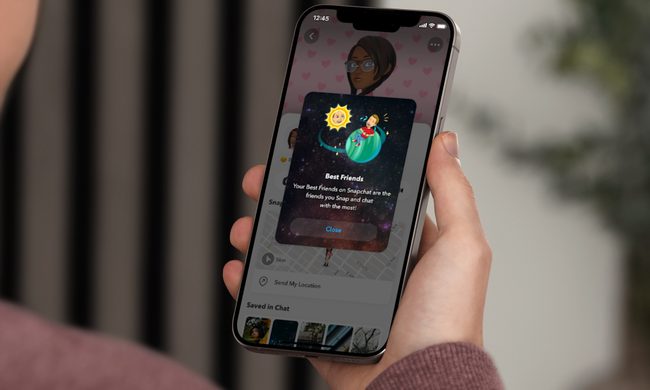
Snapchat Planets being shown on the Snapchat app on iPhone.

Snapchat+ includes several exclusive features, but few have generated as much curiosity as Snapchat Planets. Part of the app's Friend Solar System, it transforms your Best Friends list into a planetary ranking, assigning each of your top eight friends a planet based on how often you interact.

From Mercury, which represents your closest friend, to Neptune, which represents your eighth closest, the system offers a quick visual snapshot of your interactions. But what do the different planets actually mean, and how does Snapchat decide who gets which one?

Read more
How to use WhatsApp Web
We'll show you how to use WhatsApp on your desktop or laptop
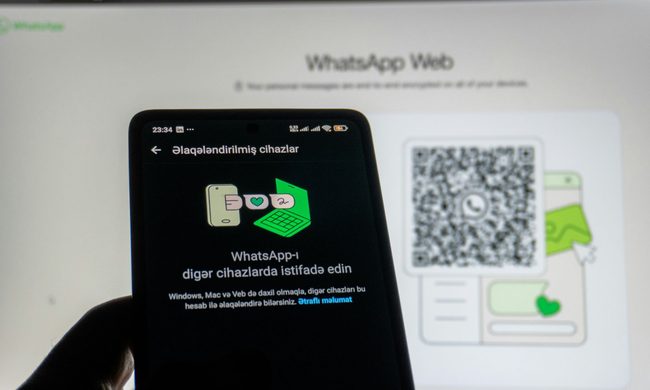
WhatsApp Web

As one of the most popular messaging services, you’ve already heard of WhatsApp. From its humble beginnings in 2009—two years before Apple introduced iMessage—to its acquisition by Facebook (now Meta) in 2014, WhatsApp has become the dominant messaging platform around the globe.

In recent years, it's grown even more potent with new features like video messages, self-destructing voice messages, the ability to edit sent messages, and more. We even finally got an WhatsApp iPad app in May 2025.

Read more
What is WhatsApp? How to use the app, tips, tricks, and more
From setting it up to mastering hidden features, here is your complete guide to WhatsApp.
WhatsApp app store listing open on iPhone

There's no shortage of messaging apps out there. The past decade has given us more options than we know what to do with, largely because smartphones demanded something better than plain old SMS.

Both the App Store and the Play Store are packed with apps that promise to revolutionize the way we communicate. Most of them didn't make it. The truth is, a messaging app is only as good as the number of people using it, and most apps never cross that threshold.

Read more