1. Home
  2. Mobile
  3. Computing
  4. Legacy Archives

Microsoft boosts speech recognition for phones by mimicking the brain

Add as a preferred source on Google
HTC_Windows_Phone_Wide
Image used with permission by copyright holder

Microsoft, the tech-giant and maker of Windows Phone claims to have developed a new type of voice recognition that offers “nearly instantaneous” voice-to-text communication that’s twice as fast as current recognition with 15 percent better accuracy. It works by mimicking how the brain understands communication. Microsoft hopes to use this innovation to get an edge against competitors in search and mobile phones alike.

The technology, called Deep Neural Networks (DNN,) is supposedly capable of working just like the human brain, according to the scientists at Microsoft Research. The technology is an alternative to commonly used acoustic technology used by competitors like Google for search and Android alike, and this technology instead offers a different and much faster means to turn your voice into text that is outlined in the Microsoft Research technical paper. Microsoft hopes to implement this new voice-to-text technology in order to offer even faster, more accurate communication with its Bing search engine.

Recommended Videos

What’s impressive about this setup though is how the system is already being tested on Windows Phone devices, as opposed to some computer or other development-level system, proving how close it may very well be for consumers to utilize. That being said, we have no idea how this tech will perform in the real world. Anyone who has poor service knows how painfully slow search – even voice recognition – can be when your Internet connection is choking.

If you’re curious to see just what Microsoft now has up its sleeve – or even skeptical of how good it works – check out the video below. Otherwise, keep your eyes peeled as we’re sure it will make its way to Bing.com and Windows Phone as soon as Microsoft can get it out the door. Any advantage against Google is a good one.

Joshua Sherman
Joshua Sherman is a contributor for Digital Trends who writes about all things mobile from Apple to Zynga. Josh pulls his…
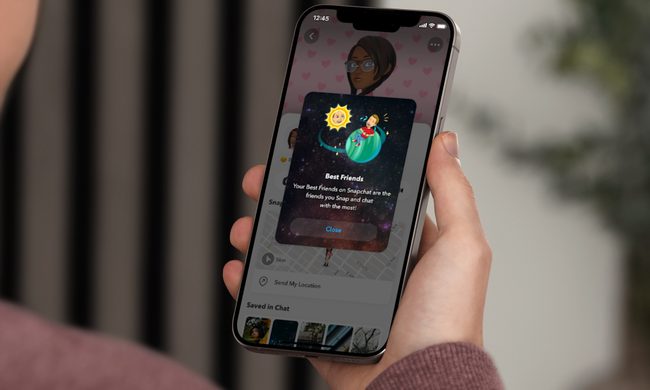
Snapchat Planets: What’s the order, and what do they mean?
Snapchat Planets turns your best friends list into a solar system, and yes, your orbit says a lot
Snapchat Planets being shown on the Snapchat app on iPhone.

Snapchat is already packed with little symbols that can be weirdly hard to decode. You have streaks, emojis, badges, scores, Best Friends, and if you use Snapchat Plus, a tiny solar system that shows where you sit in someone’s closest-friends list.

The feature is called Friend Solar System, though most people just call it Snapchat Planets. It takes your position in a friend’s Snapchat orbit and turns it into a planet. From Mercury to Neptune, these celestial bodies signify how close a person is to you.

Read more
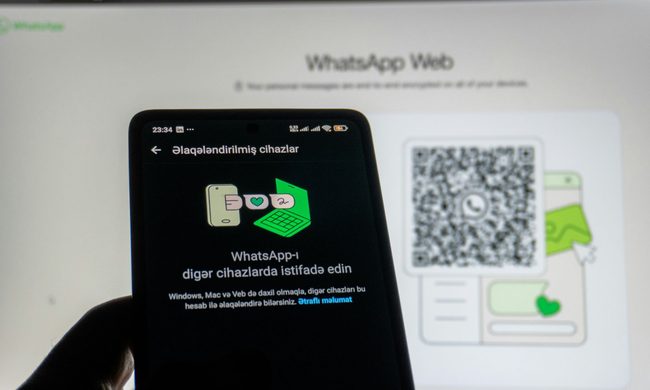
How to use WhatsApp Web
We'll show you how to use WhatsApp on your desktop or laptop
WhatsApp Web

As one of the most popular messaging services, you’ve already heard of WhatsApp. From its humble beginnings in 2009—two years before Apple introduced iMessage—to its acquisition by Facebook (now Meta) in 2014, WhatsApp has become the dominant messaging platform around the globe.

In recent years, it's grown even more potent with new features like video messages, self-destructing voice messages, the ability to edit sent messages, and more. We even finally got an WhatsApp iPad app in May 2025.

Read more
What is WhatsApp? How to use the app, tips, tricks, and more
From setting it up to mastering hidden features, here is your complete guide to WhatsApp.
Electronics, Phone, Mobile Phone

There's no shortage of messaging apps out there. The past decade has given us more options than we know what to do with, largely because smartphones demanded something better than plain old SMS.

Both the App Store and the Play Store are packed with apps that promise to revolutionize the way we communicate. Most of them didn't make it. The truth is, a messaging app is only as good as the number of people using it, and most apps never cross that threshold.

Read more